

The Convenience of the Can
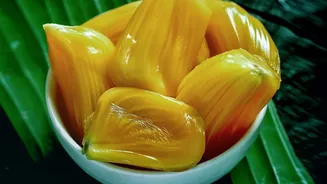
Let’s be honest, the rise of young, green jackfruit as a meat substitute is largely due to its convenience. Packed in brine or water, it’s ready to be shredded, seasoned, and transformed into a convincing imitation of pulled pork for tacos and sandwiches.
Its neutral taste allows it to be a blank canvas for aggressive seasoning, like barbecue sauce or fiery marinades. However, this convenience comes at a cost. The canning and brining process softens the fruit, often resulting in a texture that is more stringy and soft than genuinely meaty. While it soaks up flavours, the inherent texture can be somewhat one-dimensional, a limitation that becomes apparent in dishes that require more structure.
Enter the Banana Flower
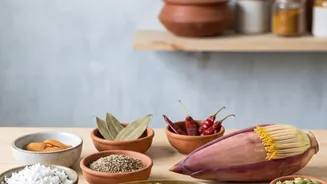
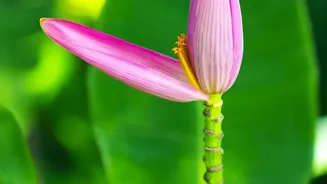
Known in India as 'vazhaipoo' or 'mocha', the banana flower, or blossom, is the large, tear-shaped purple flower that hangs at the end of a banana cluster. A staple in South and Southeast Asian cuisine for centuries, it has been used in everything from stir-fries and curries to salads and deep-fried snacks. Unlike jackfruit, which is primarily known for one specific texture, the banana flower boasts a more complex structure of layered petals and tender florets. This complexity is the secret to its superior 'depth' in cooking.
A Masterclass in Texture
The primary advantage of fresh banana flower is its texture. While canned jackfruit offers a single, stringy consistency, a prepared banana flower provides a delightful variety. The petals have a satisfying bite, reminiscent of leeks or artichokes, while the tender heart and florets provide a softer, more delicate feel. Some even describe its flaky texture as an excellent plant-based substitute for fish, a feat jackfruit cannot easily replicate. This layered, multi-dimensional texture holds up far better in cooking, whether in a dry 'poriyal' (stir-fry) or a rich, coconut-based curry. It provides a substantial, satisfying mouthfeel that isn't just about mimicking meat but about offering a genuinely unique and pleasing experience on its own terms.
A Subtler, More Versatile Flavour
Canned jackfruit, having sat in brine, often needs to be rinsed thoroughly to remove a metallic or overly salty taste before it can properly absorb new flavours. The banana flower, on the other hand, starts with a cleaner, more neutral profile. It has a subtle astringency that, once blanched or soaked (a crucial prep step), mellows into a delicate, slightly nutty taste. This makes it a much more versatile canvas. It doesn't just absorb flavours; it complements them. Spices don't need to be used as a mask but as an enhancement, allowing the subtle notes of the flower to meld with everything from mustard seeds and curry leaves in a South Indian 'kootu' to the aromatic spices of a Bengali 'ghonto'.
The Rewarding Art of Preparation
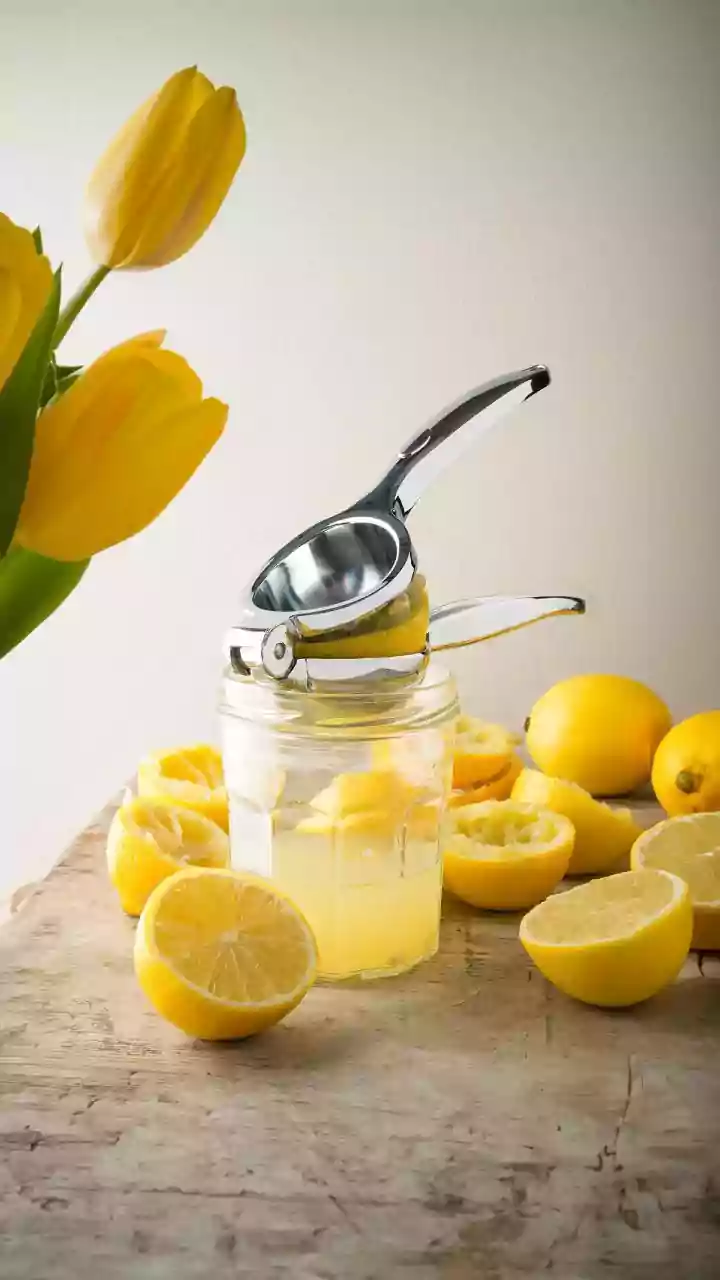
There’s no denying that fresh banana flower requires more effort than opening a can. The process involves removing the tough outer petals, cleaning the tiny florets within, and soaking the chopped flower in acidic water to prevent browning and remove bitterness. This preparation can be tedious, but it is a rewarding culinary ritual. This hands-on process connects you to the ingredient and the end result is profoundly better. The vibrancy and textural integrity of a freshly prepared banana flower are things that simply cannot be replicated by a product designed for shelf stability. The effort invested pays dividends in the final dish's flavour and mouthfeel.