




What Is Rice Water and Why Use It?
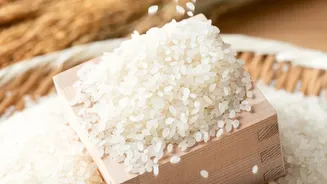
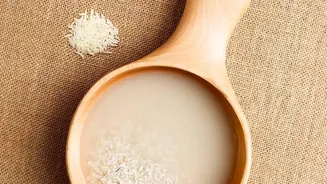
Rice water is simply the liquid left over after rinsing or soaking uncooked rice. This starchy water, which many of us pour down the drain daily, is packed with trace nutrients. While not a complete fertilizer, it contains small amounts of nitrogen, phosphorus,
and potassium (NPK), the essential macronutrients for plant growth. More importantly, the starch in the water feeds beneficial microbes in the soil. These microorganisms help break down organic matter, improving soil structure and making existing nutrients more available to your plant's roots. This practice has been used for generations in many parts of Asia, turning a common kitchen byproduct into a free, gentle plant booster.
The Simple Collection Method
True to the headline, you don't need any fancy gadgets. All that’s required are a bowl, a strainer, and a container to store the water. When you're ready to cook rice, place your uncooked grains in a bowl and cover them with water. Swirl the rice around with your hands for a minute or two until the water becomes milky and opaque. Then, simply pour the water through a strainer into a jar or watering can. That's it. Your basic rice water is ready to use immediately. It’s crucial to only use water from rinsing plain, uncooked rice. Never use water that has been salted or seasoned, as the salt can severely damage your plants.
How to Use It on Your Plants
For the fresh, unfermented rice water you've just collected, you can typically use it undiluted. Apply it to the base of your plants, directly onto the soil, just as you would with a normal watering. It’s best to use this liquid supplement in place of a regular watering, not in addition to it, to avoid waterlogging the soil. A good rule of thumb is to apply it about once every two to four weeks during the active growing season (spring and summer). Avoid using it on dormant plants in the winter, as they aren't actively taking up nutrients.
Level Up with Fermented Rice Water
For an even more potent plant tonic, you can easily ferment your rice water. Fermentation boosts the nutrient levels and cultivates beneficial bacteria, like lactobacillus, which help suppress pathogens and improve soil health. To do this, pour your collected rice water into a glass jar, covering it loosely with a cloth to allow it to breathe. Let it sit at room temperature away from direct sunlight for two to five days. It’s ready when it has a slightly sour, fermented smell. This fermented liquid is more concentrated, so you must dilute it before use, typically with a 1:1 ratio of fermented rice water to plain water.
Which Plants Benefit the Most?
Many common houseplants and garden vegetables respond well to this treatment. Leafy greens like spinach, fruiting plants such as tomatoes and peppers, and popular indoor plants like pothos, ferns, and peace lilies often show improved vigour. The lowered pH of fermented rice water can be especially beneficial for acid-loving plants. However, it's wise to use it sparingly on succulents and cacti, which prefer drier conditions and are more susceptible to issues from excess moisture and organic matter.
Mistakes to Avoid for Healthy Plants
While simple, there are a few pitfalls to avoid. The most common mistake is overdoing it. Applying rice water too frequently can lead to a starchy buildup on the soil surface, which can attract pests like fungus gnats or lead to mould. Always apply it to soil that is slightly dry to the touch, not already saturated, to prevent root rot. If you choose to ferment the water, discard any batch that smells foul or rotten, as this indicates the growth of harmful bacteria instead of beneficial ones. Remember, rice water is a supplement, not a cure-all or a replacement for a balanced fertilizer, especially for very hungry plants.