








The Perfect Antidote to Summer Heat
We all know that feeling. The sun beats down, the air is thick with humidity, and all you crave is something cold and refreshing. For our dogs, covered in fur and unable to sweat as efficiently as humans, the Indian summer can be more than just uncomfortable—it
can be dangerous. Panting is their primary way to cool down, but on relentlessly hot days, it’s often not enough. This is where a cooling treat does more than just delight them; it becomes a tool for comfort and well-being. A frozen snack helps lower their body temperature from the inside, providing instant relief that a bowl of water alone might not. It turns a moment of treating into an act of genuine care, helping your best friend beat the heat in the most delicious way possible.
Why Watermelon is a Superfruit for Dogs
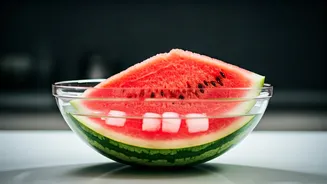
Not all human foods are safe for dogs, but watermelon is a fantastic exception when served correctly. This summer staple is a nutritional powerhouse packed into a juicy, low-calorie package. The most obvious benefit is hydration. At over 92% water, watermelon is one of the most hydrating fruits available, making it an excellent choice for replenishing fluids on a hot day. Beyond its water content, it's also a great source of essential vitamins like Vitamin A, Vitamin C, and Vitamin B6, which are crucial for everything from vision and immune function to skin health. It also contains potassium, an important electrolyte that aids in muscle function. Unlike many commercial treats that are filled with sugar, fat, and preservatives, plain watermelon offers pure, simple goodness. It's the kind of 'premium treat' that feels indulgent but is secretly incredibly healthy.
The Golden Rules of Watermelon Safety
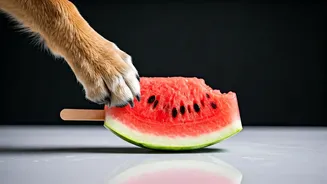
Before you rush to the blender, it’s vital to understand the three simple rules for serving watermelon to your dog safely. First, and most importantly: remove all seeds. Watermelon seeds can cause an intestinal blockage, which can be a serious medical emergency, especially for smaller dogs. While a few accidentally swallowed seeds may not cause harm, it’s best to be diligent. Second, never give your dog the rind. The tough, green outer layer is difficult for them to digest and can lead to gastrointestinal upset or blockages. Always cut the fruit away from the rind before preparing. Third, practice moderation. Like any treat, watermelon should not make up a significant portion of your dog’s diet. It contains natural sugars, so it’s best to give it in small, controlled amounts, especially if your dog has a sensitive stomach or is diabetic. Think of it as a special dessert, not a full meal.
The Ultimate Watermelon Ice Shake Recipe
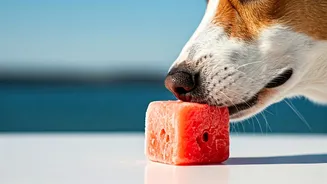
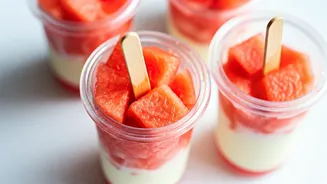
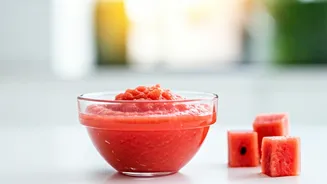
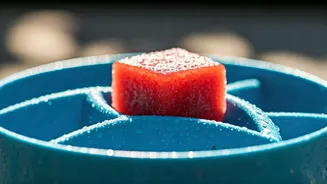
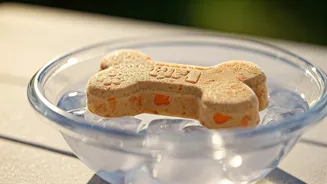
Ready to become your dog's favourite chef? This recipe couldn't be simpler. You only need one main ingredient, with a few optional, dog-safe extras. **Ingredients:** - 2 cups of fresh, seedless watermelon chunks (rind removed) - 1/4 cup of plain water or unsweetened coconut water (check ingredients to ensure no xylitol) - Optional: 1 tablespoon of plain, unsweetened yogurt (ensure it contains no artificial sweeteners) **Instructions:** 1. **Prepare the Fruit:** Ensure all seeds and rind have been thoroughly removed from your watermelon chunks. 2. **Blend:** Place the watermelon chunks into a blender. Add the water or coconut water to help it blend smoothly. If you’re using yogurt, add it now. 3. **Liquify:** Blend on high until you have a smooth, pourable liquid, like a thin smoothie. 4. **Freeze:** Pour the liquid mixture into an ice cube tray or silicone moulds. Dog-themed shapes like paws or bones add a fun touch! 5. **Serve:** Freeze for at least 4-5 hours, or until solid. Pop one or two 'ice shakes' out and offer them to your grateful, sweaty puppy for an instant cool-down.
Safe Swaps and Creative Variations
Once you've mastered the basic watermelon shake, you can get a little creative. However, always prioritise your dog’s safety. A few blueberries or a small piece of banana can be blended in with the watermelon for a different flavour profile and an extra nutrient boost. A sprig of mint can also be blended in for a fresh taste, but use it sparingly. The most important part of customising is knowing what to *avoid*. Never add sugar, salt, or any artificial sweeteners. Xylitol, a common sugar substitute found in many human products, is extremely toxic to dogs and must be avoided at all costs. Other fruits to steer clear of include grapes and raisins, which are highly toxic. When in doubt, stick to the basics. The simple watermelon shake is a perfect treat on its own.