



The Hazards of Deep Space Living
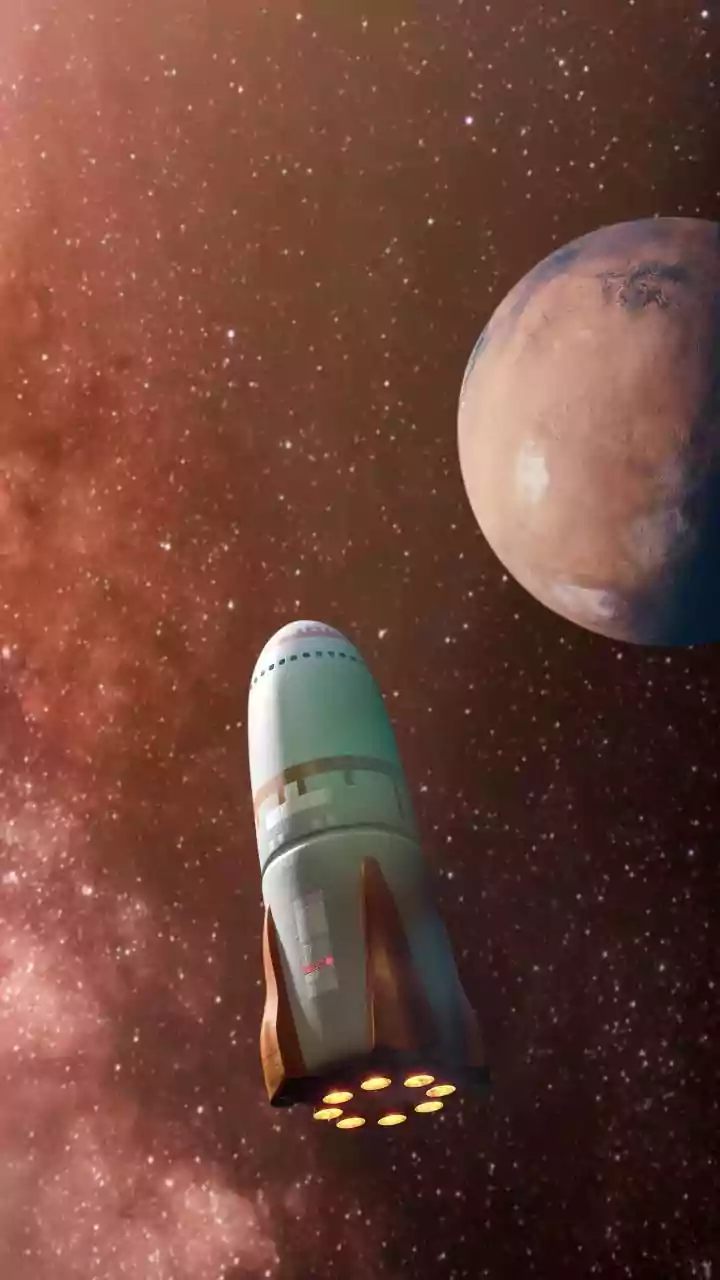
Before we can build cities on Mars, we must learn to survive the journey. Long-duration missions beyond Earth's protective magnetic field expose astronauts to significant dangers. The technical deficiencies in current habitat designs are less about plumbing
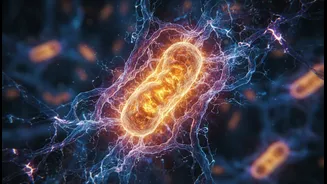
and more about human physiology. Key challenges include constant exposure to galactic cosmic radiation, which can damage DNA and increase cancer risk, and the profound effects of microgravity. In zero-g, bones lose density, muscles atrophy, and even vision can be permanently altered as fluids shift in the body. Beyond the physical, the psychological toll of confinement, isolation, and the absence of a natural environment presents a formidable obstacle to mission success. These aren't minor inconvenconveniences; they are fundamental barriers to our expansion into the cosmos.
Enter Bioastronautics: A New Approach
This is where bioastronautics comes in. It's an interdisciplinary field that merges biology, medicine, and aerospace engineering to solve the life-science puzzles of space travel. The concept of a "new intake" refers to a fresh, concerted effort within the scientific community to train a new generation of researchers who can work across these disciplines. Programs are emerging globally to foster this collaboration. For instance, ISRO and SCTIMST recently launched India's first postdoctoral fellowship in bioastronautics to build national expertise for the Gaganyaan mission and beyond. These initiatives are designed to move beyond traditional engineering and focus on a human-centered approach to habitat design.
An Integrated Strategy for Survival
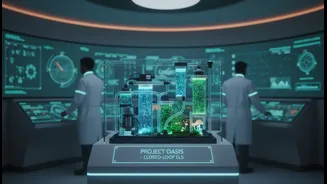
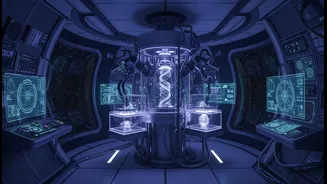
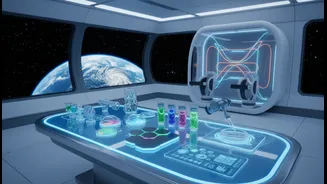
The new approach is about integration. Instead of solving for radiation, gravity, and life support in separate silos, bioastronautics researchers are creating holistic solutions. This means designing habitats where every element serves multiple purposes. Research is focused on creating closed-loop life support systems that recycle air and water with near-perfect efficiency, much like Earth’s own ecosystem. There's also significant work on artificial gravity, potentially through rotating habitat sections, to counteract bone and muscle loss. To combat radiation, scientists are developing novel shielding materials. To address psychological health, architects and human-factors experts are designing interiors that can be reconfigured to reduce monotony and stress. This requires a deep understanding of how engineers, doctors, psychologists, and biologists can collaborate.
From Research to Reality
These advanced concepts are already influencing the next generation of habitat prototypes. NASA-funded projects like the Resilient ExtraTerrestrial Habitats Institute (RETHi) are focused on creating smart, autonomous habitats that can adapt to and recover from unexpected problems. The goal is to build structures that are not just robust but resilient, capable of functioning for long periods without human intervention. Furthermore, a key part of future missions is using in-situ resources. Rather than hauling everything from Earth at an astronomical cost, new research explores 3D-printing structures using local materials like Martian or lunar soil (regolith). This dramatically reduces dependency on Earth and is a cornerstone of establishing a sustainable presence on other worlds. The new bioastronautics intake is crucial for developing the biological and robotic systems needed to make this a reality.