







Beyond 'No Pain, No Gain'
The old-school fitness culture glorified pushing your body to its absolute limit, where exhaustion was a badge of honour. While discipline is important, this mindset often leads to burnout, plateaus, and injury. There's a growing awareness, particularly
in India, of a more holistic approach to wellness that balances physical fitness with mental well-being. This has sparked a paradigm shift: the understanding that muscles don't get stronger during the workout, but during the recovery period afterwards. Instead of viewing rest as inactivity, it’s now seen as a crucial and active part of any successful fitness plan. This change is about training smarter, not just harder, for sustainable and long-lasting results.
The Science of Rebuilding
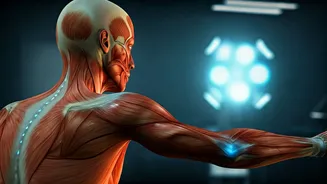
So, what exactly happens during recovery? When you exercise, you create tiny micro-tears in your muscle fibres. This is a normal and necessary stimulus for growth. During the recovery phase, your body gets to work repairing these tears, rebuilding the fibres to be stronger and more resilient than before. This process, known as muscle protein synthesis, is when the real gains are made. Proper recovery also helps replenish your energy stores (glycogen), reduce inflammation, balance crucial hormones like cortisol, and flush out metabolic waste products. Skipping this critical phase can lead to overtraining, a weakened immune system, and a significantly higher risk of injuries like muscle strains or stress fractures.
Your Essential Recovery Toolkit
Recovery isn't just about sitting on the couch. It's a spectrum of activities that aid your body's healing process. The most fundamental and effective recovery tool is sleep; aiming for 7-9 hours is critical for hormone regulation and muscle repair. Nutrition and hydration are also non-negotiable. Consuming a mix of protein and carbohydrates post-workout helps repair muscles and restore energy. Beyond these basics, a range of techniques can help. Active recovery, which involves light-intensity movement like walking or yoga, boosts circulation and reduces stiffness. Stretching and foam rolling can improve flexibility and relieve muscle tightness. In India, traditional practices like yoga and meditation are increasingly integrated into fitness routines for both physical and mental restoration.
The Tech-Fuelled Recovery Boom
The growing importance of recovery has not gone unnoticed by the market. In India and globally, there's a boom in products and services designed to optimize rest. Wearable devices now track everything from sleep quality to heart rate variability, giving users data-driven insights into their recovery status. High-tech tools like massage guns, compression boots, and even cryotherapy chambers are moving from elite athlete circles into mainstream gyms and homes. While some of these gadgets offer real benefits, it's important to remember that technology should complement, not replace, the fundamentals: sleep, nutrition, and listening to your body remain the cornerstones of effective recovery.