




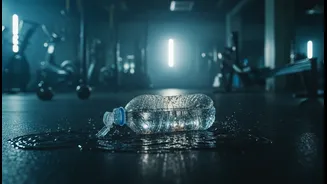



The Monsoon Misconception
When the temperature drops and the air is damp, feeling thirsty is less common. This is the core of the monsoon hydration trap. Many people mistakenly drink less water, assuming the cooler weather means a lower risk of dehydration. However, the opposite
is true. The high humidity during the rainy season significantly disrupts your body's ability to cool itself down. Your natural thirst signals can become unreliable, masking your body's increasing need for fluids. This creates a dangerous gap between how hydrated you feel and how hydrated you actually are.
Why Humidity Is the Real Culprit
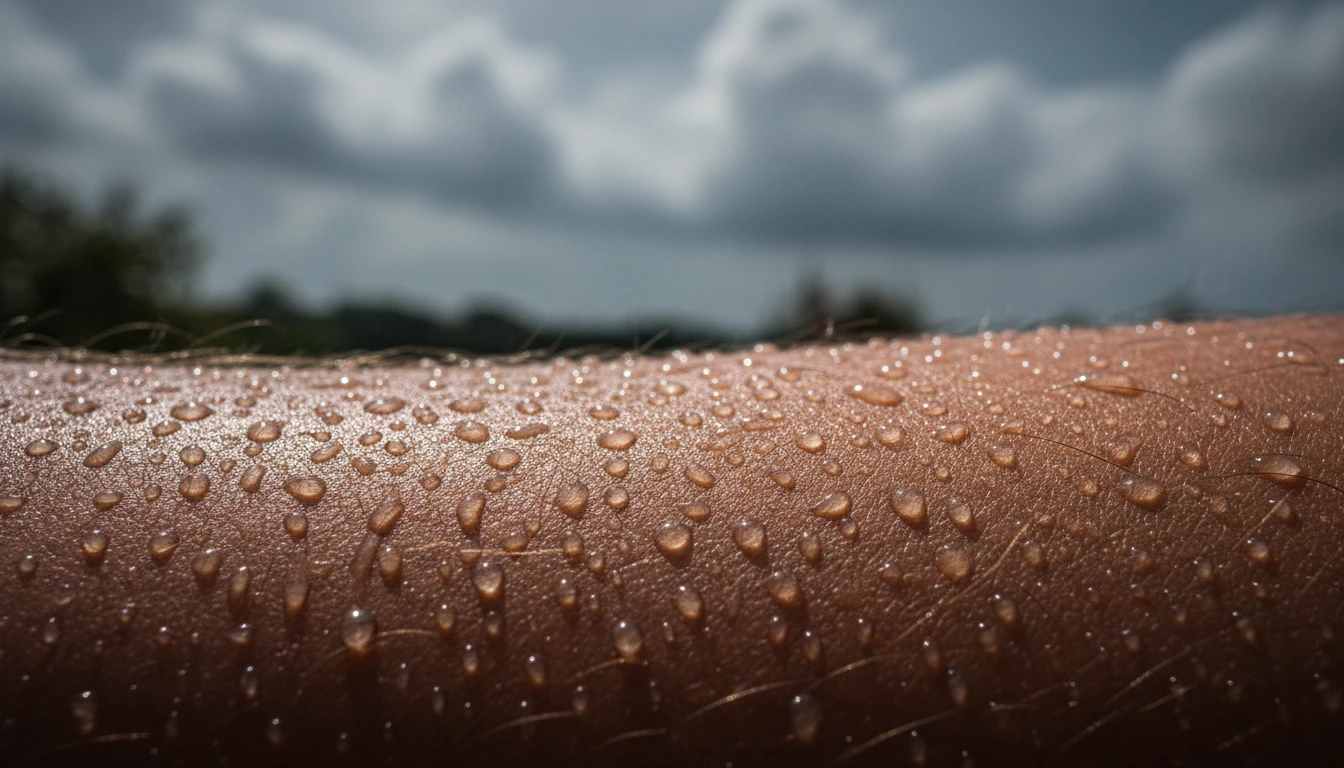
Your body cools itself primarily through the evaporation of sweat from your skin. In dry heat, this process is efficient. But when humidity is high, the air is already saturated with moisture, preventing your sweat from evaporating effectively. The result is that sweat simply drips off your skin without providing its intended cooling benefit. Your body, sensing that its core temperature is still high, responds by producing even more sweat in a futile attempt to cool down. This vicious cycle means you lose large amounts of fluid and essential salts without getting the cooling effect, accelerating dehydration.
Spotting the Sneaky Signs of Dehydration
Because thirst isn't a reliable indicator in humid weather, you need to watch for other, more subtle signs of dehydration. Early symptoms can easily be mistaken for general fatigue or discomfort from the weather. Pay close attention to feelings of unusual tiredness, a persistent dull headache, dizziness, or muscle cramps. One of the most reliable visual cues is the colour of your urine; if it's dark yellow instead of a pale, straw-like colour, your body is telling you it needs more fluids. Other signs can include dry mouth, irritability, and a decreased need to urinate.
Your Monsoon Hydration Game Plan
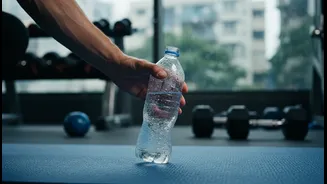
Staying ahead of dehydration requires a proactive strategy, not just reacting to thirst. A simple but effective approach is to drink water on a schedule. Aim to sip water every 20 to 30 minutes throughout the day, not just during your workout. During exercise, a good rule of thumb is to drink about 200 ml every 15-20 minutes. For workouts lasting longer than an hour, plain water may not be enough. You're also losing critical minerals called electrolytes—primarily sodium—through sweat. Consider an electrolyte drink or a simple oral rehydration solution (ORS) to replenish these lost salts and help your body absorb water more effectively.
What to Drink and When
Proper hydration is a three-part process: before, during, and after your workout. Begin hydrating well before you even start exercising. Have a glass or two of water in the hours leading up to your session. For workouts over 60 minutes, especially if they are intense, sipping an electrolyte drink is beneficial. Post-workout, focus on rehydration. Natural options like coconut water are excellent for replenishing potassium, while a balanced meal can help restore sodium and other minerals. Hydrating foods with high water content, such as watermelon, cucumbers, and oranges, can also contribute to your overall fluid intake. Avoid alcohol and excessive caffeine, as they can have a diuretic effect and increase dehydration risk.