





What 'Karat' and Purity Really Mean
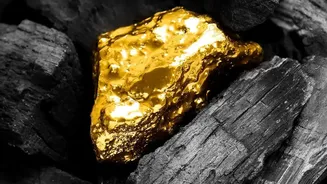
First, let's understand the term 'Karat' (K). It is a unit used to measure the purity of gold on a scale of 0 to 24. Following this scale, 24K gold is the purest form of gold you can buy. It consists of 99.9% pure gold, with virtually no other metals
mixed in. This is why it has a distinct, bright yellow colour and is considered the benchmark for gold value. On the other hand, 22K gold means that 22 parts of the metal are gold and the remaining two parts are other metals. This results in a composition of 91.67% pure gold and 8.33% alloy metals like copper, silver, or zinc. This is why 22K gold is often referred to as '916 gold'.
Purity vs. Durability: The Great Trade-Off
The main reason gold is mixed with other metals is to enhance its durability. Pure 24K gold is extremely soft and malleable. While this softness allows it to be shaped, it also means that jewellery made from 24K gold can bend, scratch, or deform very easily, making it unsuitable for daily wear. This is where 22K gold shines. The addition of harder metals like copper and silver makes 22K gold significantly stronger and more durable than its 24K counterpart. This alloy structure is robust enough to withstand the rigours of everyday life, ensuring that your precious ornaments retain their shape and intricate designs over time.
Best for Jewellery: Why 22K Gold Reigns Supreme
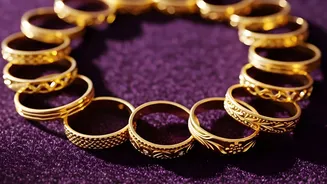
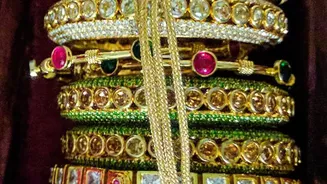
Given the trade-off between purity and strength, 22K gold is the preferred choice for most types of gold jewellery in India. Its durability makes it ideal for crafting everything from bangles and chains to elaborate necklaces and earrings that are meant to be worn regularly. The added strength also means that 22K gold can securely hold gemstones, which is a significant challenge with softer 24K gold. While some simple ceremonial pieces might be made from 24K gold, the vast majority of practical, long-lasting jewellery is crafted from 22K gold to ensure it lasts for generations.
The Investment Angle: Making a Case for 24K Gold
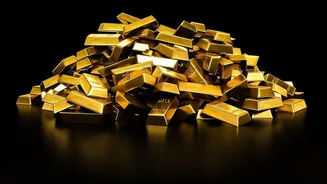
While 22K gold is the champion for wearable jewellery, 24K gold is the undisputed king of investment. When you buy gold purely as a financial asset—in the form of bars, coins, or through digital gold and ETFs—the primary goal is to own the metal in its most pure and valuable state. Because 24K gold is 99.9% pure, its price directly reflects the international market rates for gold, without the complexities of alloy compositions. Furthermore, buying jewellery involves additional costs like making charges, which you don't typically incur when purchasing 24K gold bars or coins for investment.
Understanding the Price and Hallmarking
Naturally, 24K gold is more expensive per gram than 22K gold due to its higher purity. The price of 22K gold is typically calculated as approximately 91.6% of the 24K rate. However, the final price of 22K jewellery is not just about the gold's value. It also includes making charges, which can range from 8% to 25% of the gold's value, and GST. To ensure you are getting the purity you are paying for, always look for the BIS Hallmark. This is a certification from the Bureau of Indian Standards that verifies the gold's purity. A hallmarked piece will have the BIS logo, a carat and fineness mark (e.g., 22K916), and a unique identification number.
So, Which One Should You Buy?
The decision between 22K and 24K gold ultimately depends on your purpose. If you are buying jewellery to wear and cherish, 22K gold is the clear winner. It offers the perfect blend of high purity, rich colour, and essential durability needed for ornaments. It is strong enough for daily use and ensures that intricate designs and gemstone settings remain secure. If your goal is purely investment—to store wealth or diversify your portfolio—then 24K gold is the ideal choice. Buying gold in the form of BIS-hallmarked coins or bars gives you the highest concentration of the precious metal for your money, ensuring maximum value.