







An Offering of Devotion
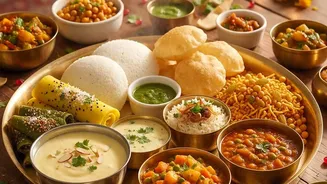
At the heart of Durga Puja's culinary traditions is the concept of 'bhog'—the food offered to Goddess Durga before being distributed to devotees as 'prasad'. This offering is an act of pure devotion, prepared with meticulous care and sanctity, often without
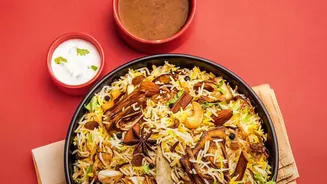
onion or garlic. While savoury dishes like khichuri and labra are staples, sweets are considered the pinnacle of the offering. Believed to have a sweet tooth, presenting the Goddess with these delicacies is a way to seek her blessings and show reverence. The act of preparing and offering 'mishti' (sweets) is a spiritual connection, a gesture of gratitude that turns simple ingredients into sanctified food.
Symbolism in Every Bite
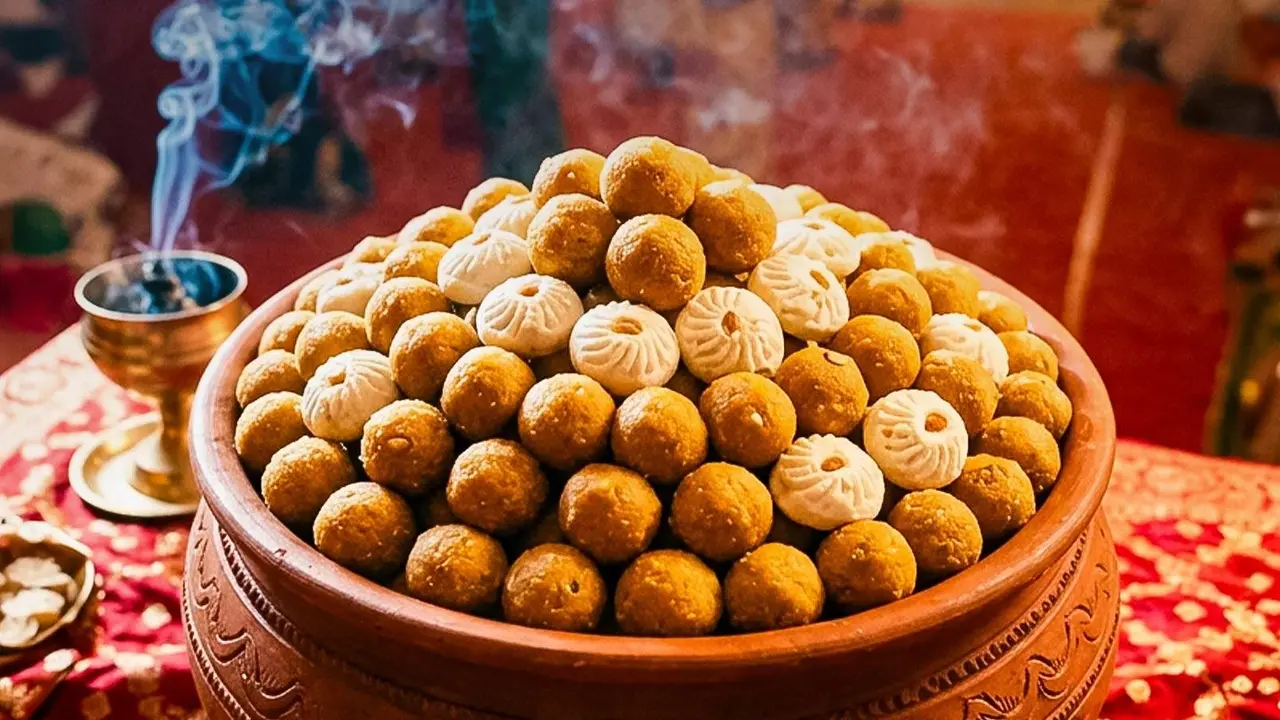
The ingredients used in these traditional sweets are symbolic. Coconut, used extensively in sweets like Narkel Naru, is considered auspicious and pure. Jaggery, especially 'nolen gur' (date palm jaggery), lends a deep, caramel-like sweetness that is quintessentially Bengali and signifies the richness of the harvest and autumn season. Milk and 'chhena' (fresh cottage cheese), the base for iconic sweets like Sandesh and Rosogolla, represent purity and prosperity. Even the simplest sweets, like the sugar-based Batasha, symbolise the humble purity of a devotee's offering. Each sweet is more than just a treat; it’s an emotion and a story, conveying heritage in every bite.
Sweets for Every Ritual
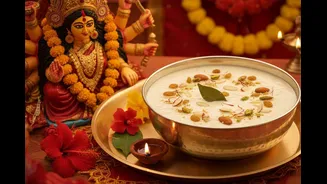
Different sweets are associated with specific moments of the puja. Narkel Naru, simple-to-make coconut laddoos, are a homely preparation often made for Saptami, representing prosperity and devotion. The more refined Sandesh, crafted from fresh chhena, is a delicate offering fit for the Goddess herself. Payesh, a slow-cooked rice and milk pudding, is also known as 'paramanna' or the ultimate rice offering, making it an essential part of the bhog and a symbol of divine blessings. These sweets aren't just for offerings; homemade delights like Patishapta (sweet crepes) are prepared in advance to welcome guests, weaving the flavours of the festival into the social fabric of the community.
From Purity to Celebration
The role of sweets evolves as the festival culminates in Bijoya Dashami. This day marks the victory of good over evil and the emotional farewell to Goddess Durga as she returns to her heavenly abode. The sorrow of her departure is sweetened by the tradition of 'mishti mukh' (offering sweets). Families, friends, and neighbours visit each other's homes to exchange 'Shubho Bijoya' greetings, and it is customary to offer sweets. This act symbolises the sweetening of relationships and the hope for a year filled with joy and harmony. The exchange of sweets like Sandesh, Rosogolla, and homemade narus becomes a language of community bonding, peace, and shared celebration.