
The Main Event: The Harvest Moon
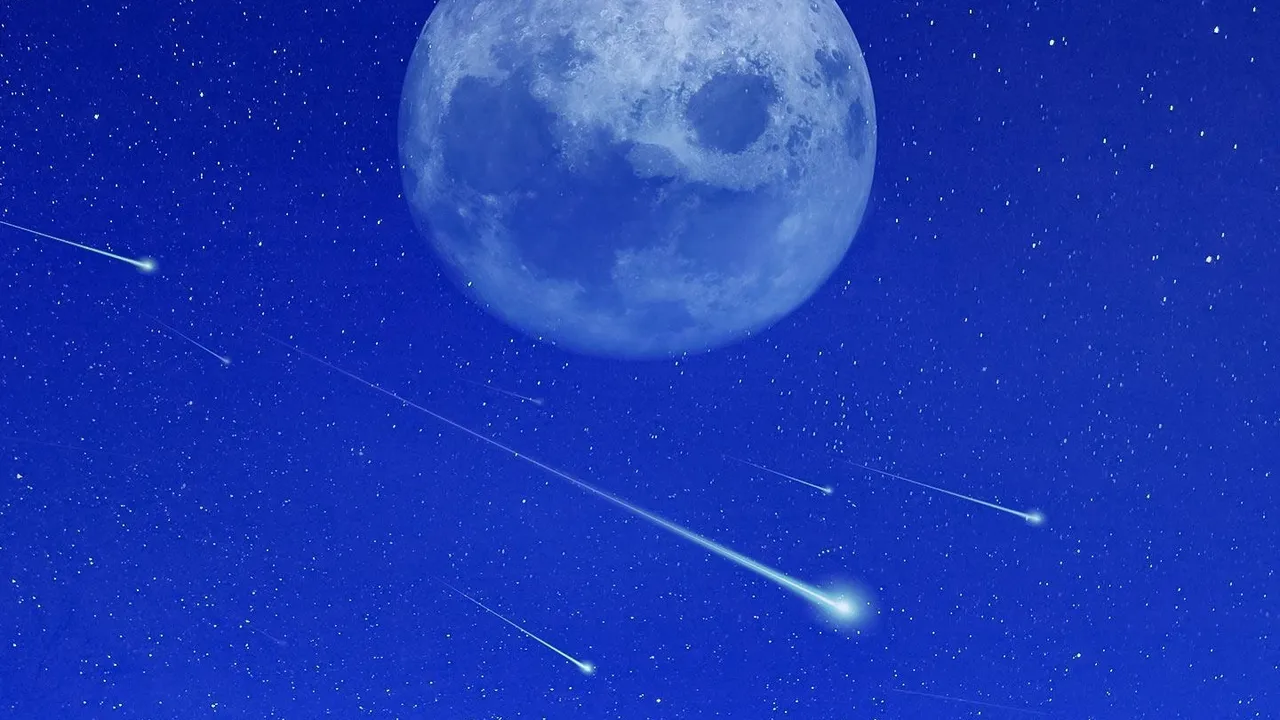
The highlight for September is undoubtedly the full Harvest Moon, which will reach its peak brightness on the night of September 26, 2026. For observers in India, the moment of peak illumination is expected around 10:19 PM IST. This full moon is known
as the Harvest Moon because it is the one closest to the autumnal equinox (which falls on September 22), historically providing farmers with bright moonlight to extend their harvesting hours into the evening. You can expect the Moon to appear full and bright on the nights of both September 26 and 27. When it rises on the evening of the 26th, look towards the eastern horizon. As the Moon hangs low, atmospheric particles can scatter blue light, giving it a beautiful yellow, orange, or even reddish tint. This effect, combined with the optical 'Moon illusion' that makes it appear larger near the horizon, promises a truly stunning sight.
A Dance of Planets
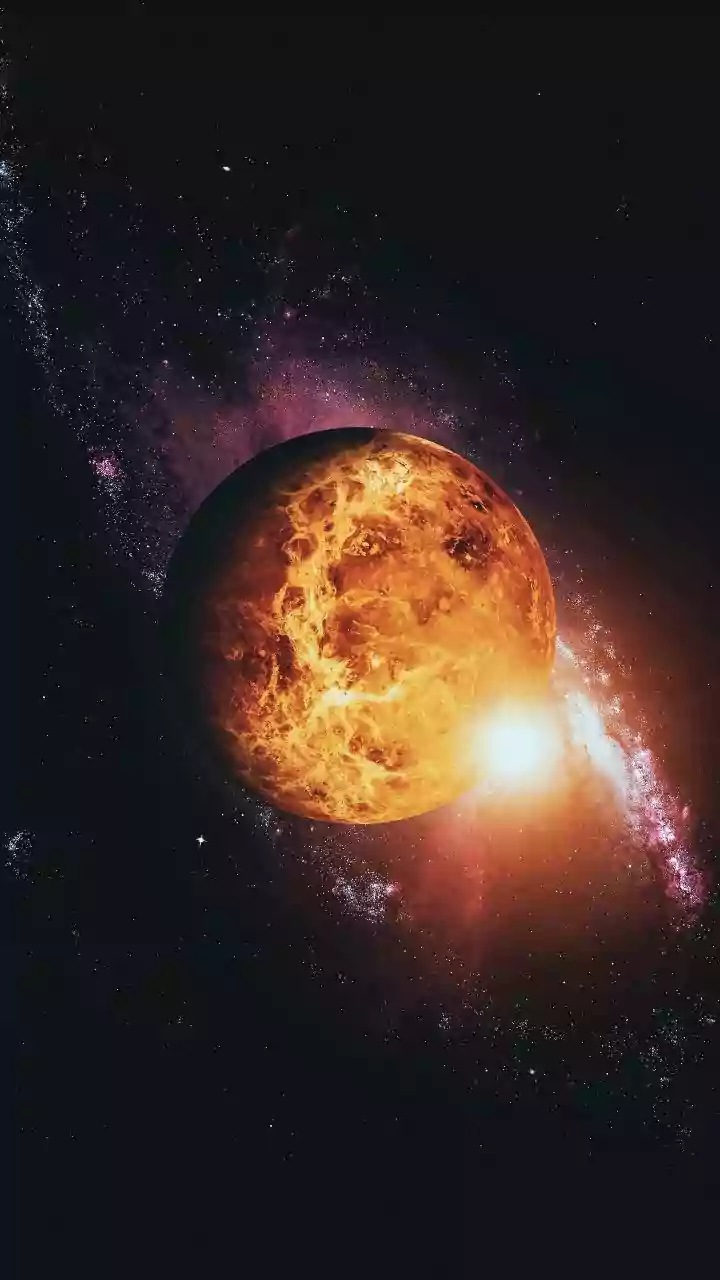
September isn't just about the Moon; several planets will be making prominent appearances. The real showstopper is Venus, which will dominate the western sky shortly after sunset. On September 22, it reaches its maximum brilliance for the year, shining at an incredible magnitude of -4.8, making it impossible to miss even from cities with significant light pollution. Saturn will also be a key player, appearing as a bright, steady light near the Harvest Moon on the night of September 26. For early risers, Mars and Jupiter can be spotted in the pre-dawn sky. A particularly noteworthy event occurs on the morning of September 8, when the waning Moon will have a close encounter with Jupiter. On September 14, a thin crescent Moon will pair up beautifully with the radiant Venus in the evening.
Dark Skies and Faint Stars
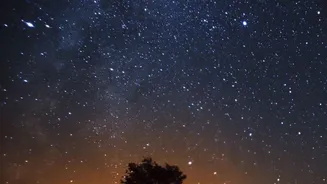
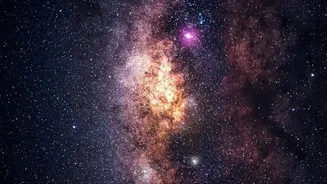
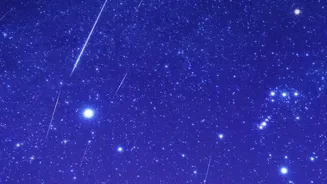
For those who love to gaze at stars, the New Moon on September 11 offers the perfect opportunity. With the Moon absent from the night sky, its light will not wash out fainter celestial objects. This is the ideal time to try and spot the Milky Way, which is having its last great showing for the year in the Northern Hemisphere before the star-rich regions of Sagittarius and Scorpius sink below the western horizon. The darker skies around the new moon also make it easier to see deep-sky objects and track the movements of constellations like the Great Square of Pegasus, which will be rising in the east.
Is There a Supermoon?
The term 'Supermoon' has become popular to describe a full moon that occurs when our lunar neighbour is at or near its closest point to Earth (its perigee). This proximity can make the Moon appear slightly larger and brighter than usual. However, there will not be a Super Full Moon in September 2026. The year's only Super Full Moon is scheduled for December 24. While the Harvest Moon will be a spectacular sight, its brilliance will be due to its full phase and atmospheric conditions at moonrise rather than its proximity to Earth.
Tips for the Best Viewing Experience
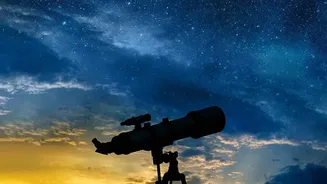
To make the most of September's celestial offerings, a little preparation goes a long way. For the best view of the Harvest Moon, find a location with an unobstructed view of the eastern horizon and watch as it rises on September 26. For stargazing during the new moon, travel as far away from city lights as you can. Places like Ladakh, Spiti Valley, or the Rann of Kutch are famously dark, but even a trip to the outskirts of your city can make a huge difference. Allow your eyes at least 20-30 minutes to fully adapt to the darkness; avoid looking at your bright phone screen during this time. A pair of binoculars can enhance your view of the Moon's craters and even reveal Jupiter's largest moons. Finally, remember to check your local weather forecast before heading out.