






Maharashtra’s Crispy Kanda Bhaji
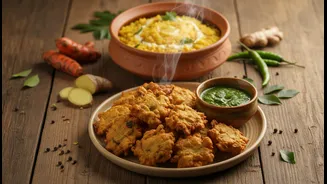
In Maharashtra, the sound of rain is often accompanied by the sizzle of Kanda Bhaji. These are not just any onion fritters. Made from thinly sliced onions mixed with gram flour (besan) and spices, the Maharashtrian version is distinct for its extra-crispy
texture, often achieved by using rice flour and no extra water. The moisture from the salted onions is all that’s needed to bind the batter, resulting in an intensely flavourful and crunchy snack. It’s a staple at roadside stalls, served hot, often wrapped in newspaper, and is the perfect companion to a cup of cutting chai as you watch the downpour.
Kerala’s Sweet Pazham Pori
Travel down to Kerala, and the monsoon snack of choice is sweet, soft, and golden. Pazham Pori, or banana fritters, are a beloved tea-time staple. Slices of ripe Nendran plantains—a variety specific to the region—are dipped into a light, sweetened batter of flour and deep-fried until the outside is crisp and the inside is warm and melt-in-your-mouth soft. The phrase "rain, kattan chai, and pazham pori" is a beloved part of Malayali culture, evoking a sense of pure comfort and nostalgia that is synonymous with the state's long and lush monsoon.
Bengal’s Soulful Khichuri and Ilish Bhaja
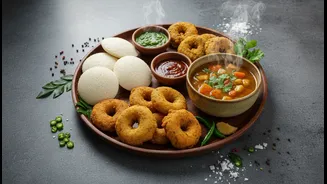
For Bengalis, monsoon is incomplete without a plate of steaming Khichuri. This isn't the simple, bland dish for the unwell; Bengali Khichuri is a celebratory meal. It’s a flavourful, often runny porridge of rice and lentils, cooked with vegetables and aromatic spices. But the Khichuri is only half the story. The true magic happens when it’s served with Ilish Bhaja—crispy fried Hilsa fish. The monsoon is peak season for Hilsa, a fish prized for its unique taste and texture, making this pairing a cherished culinary event in every Bengali household during the rains.
Rajasthan’s Festive Ghevar
In the arid lands of Rajasthan, the monsoon is a cause for major celebration, marked by festivals like Teej. And the sweet that defines this season is Ghevar. This intricate, disc-shaped dessert looks like a honeycomb and is made from a batter of flour and ghee, deep-fried to create a porous, crispy structure. It's then soaked in sugar syrup and often garnished with nuts and saffron. Ghevar is specifically a monsoon sweet because its preparation requires a certain level of humidity in the air to achieve its signature crisp-yet-soft texture, making it a true gift of the rainy season.
The Comfort of a Shared Craving
From the mountains to the coasts, every region has its own way of welcoming the rains. While the specific dishes vary, the emotion behind them is universal. It’s about warmth, nourishment, and a deep-seated connection to the seasons. These foods are more than just recipes; they are carriers of memory, tradition, and the collective joy that a rainy day brings. Whether it’s a spicy fritter, a warming soup, or a festive sweet, the food of the Indian monsoon is a delicious reminder of how culture and climate cook together to create the perfect bite of comfort.