



1. White Rice for Ancient Millets
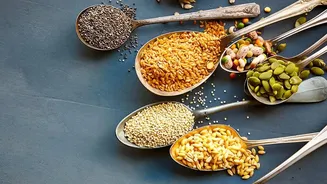
The daily staple of white rice is making way for a host of ancient grains. Millets like ragi, jowar, and bajra are no longer just regional or traditional foods; they are mainstream heroes. This shift is powered by a growing awareness of their benefits,
such as being high in fibre and gluten-free, which helps in managing blood sugar. Consumers are finding them in everything from ready-to-cook dosa batters and breads to breakfast cereals, moving beyond just traditional rotis and khichdi.
2. Fried Snacks for Roasted Makhana
The 4 PM craving for something crunchy once meant a packet of potato chips or a plate of fried samosas. Now, roasted makhana (fox nuts) is the new king of snacks. Once reserved for fasting days, makhana has been embraced as a daily guilt-free indulgence. It's light, crunchy, packed with protein, and endlessly customisable with different flavours. This swap reflects a huge consumer demand for snacks that are satisfying without being deep-fried and loaded with empty calories.
3. Refined Sugar for Natural Sweeteners
The ubiquitous white sugar cube is losing its monopoly. Health-conscious households are turning to a spectrum of natural and traditional alternatives to sweeten their chai, mithai, and daily meals. Jaggery (gur) is seeing a major comeback for its rich, caramel flavour and mineral content. Other popular choices include date syrup, coconut sugar, and plant-based sweeteners like stevia, especially for those managing health conditions like diabetes. This isn't about quitting sweetness, but choosing a more wholesome source.
4. Dairy Paneer for Plant-Based Proteins
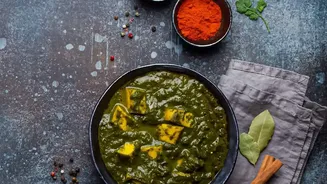
While paneer remains a beloved staple, the protein aisle is getting crowded. A significant trend is the adoption of plant-based proteins, especially among urban and fitness-conscious consumers. Tofu and soya chunks are now common, but the real growth is in isolates and textured proteins derived from peas, mung beans, and soy. These are finding their way into meat-alternative products and protein-fortified foods as the Indian plant-based protein market continues to boom, reflecting a move towards diverse and sustainable protein sources.
5. Packaged Juice for Cold-Pressed Alternatives
For years, packaged juices were seen as a healthy alternative to fizzy drinks. However, consumers are now more aware of their high sugar content. The swap? Cold-pressed juices. These are perceived as fresher, more natural, and nutrient-dense because the process avoids heat, which can degrade vitamins. With brands offering preservative-free options and innovative blends featuring superfoods like turmeric and moringa, cold-pressed juices are becoming the preferred choice for a quick and healthy beverage.
6. Sweetened Yoghurt for Greek Yoghurt
The dahi section of the dairy aisle looks different today. Sugary, fruit-flavoured yoghurts are being replaced by thick, protein-rich Greek yoghurt. This swap is driven by two major trends: the demand for more protein in every meal and a growing focus on gut health. Consumers are choosing Greek yoghurt for its lower sugar content and higher protein, using it for breakfast bowls, smoothies, or as a healthy base for dips instead of cream or mayonnaise. This aligns with the massive growth in the probiotics market as people seek out functional foods.
7. Instant Coffee for Artisanal Brews
The morning coffee ritual is becoming more mindful. For many, the convenience of instant coffee is being traded for the superior taste and experience of artisanal coffee. This includes a renewed appreciation for traditional South Indian filter coffee as well as an exploration of single-origin beans, micro-lots, and different brewing methods like pour-overs and French presses. This shift reflects a desire for quality, authenticity, and a better understanding of the coffee's journey from bean to cup.
8. Deep-Frying for Air-Frying
We love our pakoras and bhajiyas, but not the excess oil that comes with them. The rise of the air-fryer in Indian kitchens is a testament to this. Instead of abandoning favourite snacks, people are simply changing the cooking method. This allows for the same crispy texture with a fraction of the oil, making everything from samosas to cutlets a healthier indulgence. It's part of a broader move towards 'light and bright' cooking, which prioritizes health without sacrificing flavour.
9. Heavy Cream for Tomato & Veggie Gravies
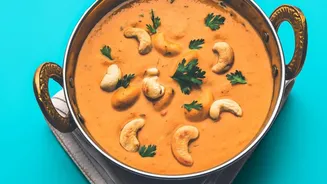
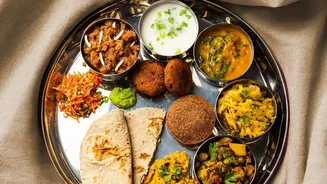
The perception that rich Indian food must be heavy is changing. Home cooks and even restaurants are moving away from gravies laden with cream, cashew paste, and excessive oil. The modern Indian curry is lighter, often built on a flavourful base of tomatoes, onions, and spices. This approach allows the flavour of the main ingredients—the vegetables or the protein—to shine through, resulting in a meal that feels both nourishing and energetic.
10. Aerated Drinks for Traditional Coolers
The grip of sugary sodas on the Indian palate is loosening. When it comes to hydration, people are returning to trusted, traditional coolers. Coconut water, nimbu paani (lemon water), and buttermilk (chaas) are reclaiming their spot as the go-to thirst quenchers. These drinks are naturally hydrating, packed with electrolytes, and free from the artificial sweeteners and empty calories found in most commercial soft drinks. It's a simple, effective swap that's better for both health and hydration.