

Beyond the Physical Runway
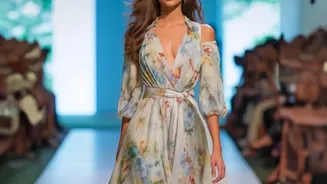
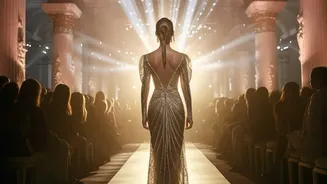
For decades, the haute couture show was a fleeting, intensely private affair. A few hundred editors, clients, and celebrities would gather in Paris to witness the pinnacle of fashion craftsmanship walk a runway for a mere 15 minutes. For everyone else,
the collection was distilled into still photographs in magazines. Today, that model is being redefined. Designers are increasingly turning to multimedia—fashion films, interactive websites, and even video games—to present their collections. This isn't just about recording a catwalk; it's about building an entire universe around the clothes. A fashion film can transport a viewer to a mythical forest, as Dior did, or into a surrealist dreamscape, providing a narrative framework that a traditional runway simply cannot. It allows designers to control every element of the story, from the lighting to the soundtrack, embedding the garments within a rich, emotional context.
A Pandemic-Fueled Transformation
While the trend of fashion films predates 2020, the global pandemic acted as a powerful accelerant. With physical gatherings impossible, fashion houses were forced to innovate, pivoting to digital-first presentations for their once-exclusive couture weeks. What began as a necessity quickly revealed its benefits. Brands discovered they could reach a global audience in the millions, not hundreds, breaking down the geographical and social barriers that had long defined high fashion. Houses like Chanel and Dior produced elaborate short films, while others, like Balenciaga, developed a full-fledged video game to showcase a collection. This period proved that digital formats were not just a workaround but a powerful new medium for creative expression, capable of generating excitement and engaging a new, younger audience.
Crafting Worlds, Not Just Clothes
The most successful examples of multimedia storytelling do more than just show clothes; they provide essential context for the craft. Take Schiaparelli's recent Fall/Winter 2026 couture collection. Creative Director Daniel Roseberry used a recorded soliloquy and dramatic music to articulate the collection's theme, 'The Call of the Void,' giving viewers insight into his creative process and the surreal inspirations behind the sculpted looks. Similarly, for his debut at Dior, Jonathan Anderson drew inspiration from the sculptor Lynda Benglis, and the presentation of the collection became a dialogue between art and fashion. These narrative layers add immense value. They help the audience understand the intricate references, the choice of materials—like the use of silicone at Schiaparelli—and the artistic vision that drives a collection. It’s a shift from simply presenting a product to sharing a creative journey.
The New Front Row is Everywhere
One of the most significant impacts of this digital shift is the democratization of couture. For the first time, anyone with an internet connection has a front-row seat. This newfound accessibility has reshaped how fashion is consumed and discussed, moving the conversation from niche publications to global social media platforms like TikTok and Instagram. It allows designers to connect directly with a global fanbase, building a community around their brand's world. While some may argue this erodes the exclusivity that gives luxury its allure, others see it as a necessary evolution. By inviting a wider audience in, brands are fostering a deeper appreciation for the artistry and craftsmanship of couture, ensuring its relevance for generations to come. The digital experience complements the physical, creating a hybrid model for the future.