

From Trash to Treasure
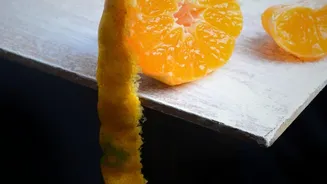
In the quest for a more sustainable kitchen, one of the biggest challenges is food waste. And when it comes to citrus fruits, the peels often make up a significant portion of what gets thrown away. But what if those fragrant rinds of oranges, lemons,
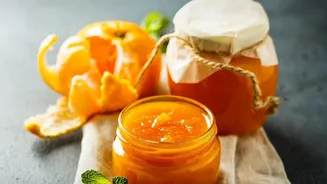
and kinnows could be transformed into something truly special? The age-old practice of preserving is finding a new life in modern, eco-conscious kitchens. It’s a simple, satisfying way to give a second life to what you might otherwise discard. By upcycling these leftovers, you not only reduce your household waste but also create a versatile, flavourful ingredient that can elevate everything from breakfast toast to evening cocktails. This zero-waste approach isn't just about being resourceful; it’s about unlocking hidden potential and flavour from every part of the fruit.
The Gut Health Connection
The link between these homemade treats and gut health lies primarily in two components: pectin and fermentation. Citrus peels are naturally rich in pectin, a type of soluble fibre. This fibre acts as a prebiotic, which means it serves as food for the beneficial bacteria in your gut, like Bifidobacterium and Lactobacillus. A thriving community of good gut bacteria is associated with better digestion and overall wellness. When you ferment citrus peels, you introduce probiotics—live beneficial bacteria—into the mix. This fermentation process can help enhance the availability of nutrients and antioxidants already present in the peels. While candied peels made with sugar are more of a treat, the pectin they contain still offers benefits. For a more direct gut health boost, fermented preserves are an excellent option. Studies suggest that certain compounds in citrus may help support a healthy gut lining and a balanced inflammatory response.
A Simple Recipe: Candied Citrus Peels
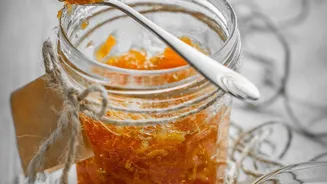
Making your own candied peels is easier than you might think and serves as a great entry point into the world of preserving. This method turns the bitter pith and zesty peel into a sweet, chewy confection. What You’ll Need: - Peels from 2-3 large oranges or lemons, with most of the white pith removed - 2 cups of sugar, plus extra for coating - 2 cups of water Method: 1. Slice the peels into thin, uniform strips, about a quarter-inch wide. 2. To remove bitterness, you need to blanch the peels. Place them in a saucepan, cover with cold water, and bring to a boil. Let them boil for about five minutes, then drain. Repeat this process two more times with fresh water each time. This step is crucial for a pleasant flavour. 3. In the same saucepan, combine 2 cups of sugar and 2 cups of water. Heat gently, stirring until the sugar is completely dissolved to create a simple syrup. 4. Add the blanched peels to the syrup. Bring to a simmer and cook on low heat for about 45-60 minutes, or until the peels become translucent. 5. Using tongs, remove the peels from the syrup and place them on a wire rack to dry for a few hours until they are tacky to the touch. Don't throw away the leftover syrup; it's now a delicious citrus-infused liquid perfect for sweetening drinks. 6. Once tacky, toss the peels in a bowl with extra granulated sugar until they are fully coated. Let them dry completely on the rack before storing in an airtight container.
Beyond the Jar: How to Enjoy Your Preserves
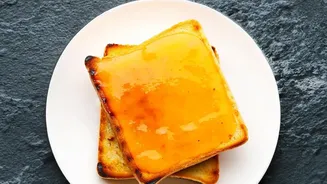
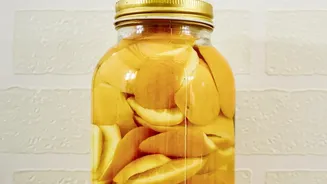
Now that you have a jar of sparkling, jewel-like candied citrus peels, the fun really begins. Their intense, sweet-tart flavour makes them a wonderfully versatile ingredient. Chop them finely and fold them into cake batter, scone dough, or muffin mix for a burst of citrus flavour. Use them as a beautiful garnish for desserts like panna cotta, cheesecake, or a simple bowl of ice cream. They add a sophisticated touch to a cheeseboard, pairing beautifully with both soft and hard cheeses. For a festive treat, dip one end of each peel into melted dark chocolate. You can also add them to trail mixes or simply enjoy them on their own as a sweet snack. In India, some traditional recipes, like the South Indian 'gojju', even use citrus peels to create savoury and tangy curries, showcasing the true versatility of this humble kitchen scrap.