






The Beauty of Going Natural
Choosing to create a rangoli from organic rice flour and fresh flowers is more than an aesthetic choice; it’s a return to tradition and a gesture of kindness to the environment. Historically, rangoli patterns were made with rice flour to feed ants, birds,
and other small creatures, symbolizing a harmonious coexistence with nature. Unlike synthetic chemical powders, which can contain harmful heavy metals, natural ingredients are completely biodegradable and safe. They don't pollute the soil or indoor air, making your festive decor beautiful, meaningful, and genuinely pure. This practice transforms decoration into a mindful act, connecting your celebration to the earth.
Gathering Your Organic Palette
The heart of your eco-friendly rangoli lies in its simple, natural materials. Start with a base of white rice flour. It can be used as a dry powder for sprinkling or mixed with water to form a paste for more intricate, linear designs, known as Kolam or Alpana. For your colours, look no further than your local flower market or garden. Marigolds (genda) in vibrant yellows and oranges are a classic choice, known for their resilience. Rose petals offer soft textures, while jasmine provides a fragrant white contrast. Other wonderful options include chrysanthemums, hibiscus, and even bougainvillea. You can supplement these with kitchen ingredients like turmeric for a golden yellow and kumkum for a deep red.
Principles of Minimalist Design
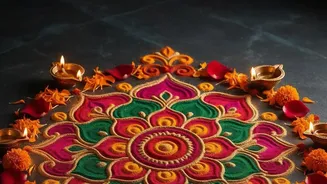
Minimalism in rangoli focuses on the 'less is more' philosophy, emphasizing clean lines, negative space, and a simple colour palette. Instead of filling a large area with complex patterns, a minimalist design might feature a single, elegant motif or a clean geometric shape. Think of a simple circular pattern, a border design along a doorway, or a central lotus motif. Using a limited number of materials, such as only white rice flour and one or two types of flowers, can create a striking effect. The beauty lies in the precision of the lines and the thoughtful placement of each element. This approach is not only modern and chic but also perfect for beginners or those short on time.
Step-by-Step: Creating Your Rangoli
First, select your space—a clean, dry spot at your entrance or in your pooja corner is ideal. Begin by sketching a faint outline of your design with chalk. For dry flour designs, take a pinch of rice flour between your thumb and index finger and let it fall in a controlled line as you trace your pattern. For floral elements, start from the centre and work your way outwards. Place larger petals or whole flowers first to establish the main shape, then fill in details with smaller petals or buds. If using wet rice flour paste, dip a small piece of cotton or cloth into the paste, gently squeeze it, and use your finger to draw steady lines on the floor. Don't be afraid to leave empty space; it’s a key part of the minimalist aesthetic.
Finishing Touches and Aftercare
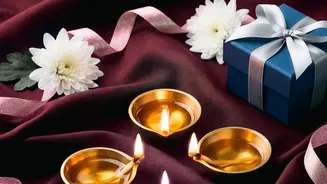
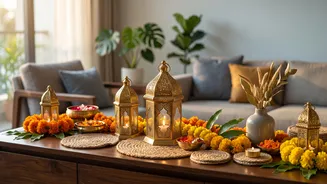
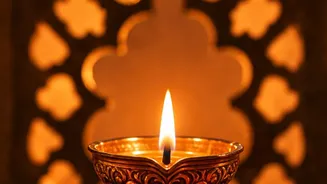
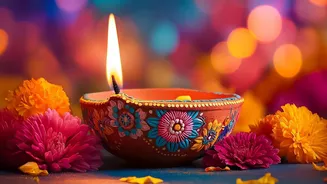
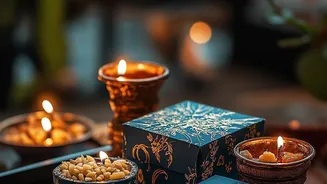
To enhance your creation, consider adding a few finishing touches. Placing clay diyas or small candles around or within your rangoli can add a warm, festive glow, especially for evening celebrations like Diwali. Mango leaves can be used to create a green border, which is considered auspicious. The temporary nature of a natural rangoli is part of its charm. Once the festivities are over, you don’t have to worry about waste. The flower petals can be swept up and added to your compost bin, and the rice flour provides a final meal for tiny creatures before returning to the earth, completing a beautiful, sustainable cycle.