




Convenience vs. Spontaneity: Which Do You Prioritise?
An organised tour is the definition of convenience. Your transport, accommodation, and a highlight reel of activities are planned for you. This is a huge advantage if you have limited vacation time and the thought of navigating bus schedules in a foreign
language feels overwhelming. A tour leader handles the logistics, so your main job is to show up and enjoy the experience. The trade-off is a lack of spontaneity. You can't decide to linger for three more days in a town you love or make a last-minute detour to a spot a fellow traveller recommended. Independent travel gives you complete freedom to change your plans on a whim, but requires you to invest significant time in research and booking everything yourself.
Budget: Are You Seeking Control or Predictability?
At first glance, organised tours can seem more expensive than travelling independently. The upfront cost bundles accommodation, transport, and some meals and activities. However, that price offers predictability. You know the bulk of your expenses before you even leave home. For solo travellers, a major drawback can be the 'single supplement' fee for a private room, which can significantly increase the cost. Independent travel almost always offers a lower potential cost, as you can control your spending by choosing cheaper guesthouses, eating street food, and using local transport. However, your budget is also less predictable, and you'll need to track your daily spending carefully to avoid overspending.
Social Life: Do You Want a Built-In Group or to Mingle Freely?
For many solo travellers, a huge appeal of a group tour is the instant community. You have a ready-made group of like-minded people to share experiences with, which can eliminate the potential loneliness of travelling alone. Dinners, activities, and long bus rides become social events. This is especially true for tours aimed at specific age groups or travel styles. On the flip side, independent travel offers the chance to meet a wider variety of people—locals, expats, and other travellers—in hostels, cafes, and on local transport. You're not tied to one group's dynamic. If you're a natural introvert who needs alone time or an extrovert who loves striking up conversations with strangers, the flexibility of solo travel might be a better fit.
Comfort Zone: How Do You Handle The Unexpected?
Southeast Asia's travel infrastructure is well-established, but navigating it for the first time can still be daunting. Language barriers, cultural nuances, and the occasional scam are all part of the experience. An organised tour provides a significant safety net. A local guide can bridge the language gap, offer cultural context, and steer you away from common tourist traps. This structure provides peace of mind, especially for first-time visitors or those anxious about navigating unfamiliar territory. If you thrive on problem-solving, feel confident in your ability to adapt, and see getting lost as part of the adventure, then the challenges of independent travel might be exactly what you're looking for.
Experience: Are You After an Overview or Deep Immersion?
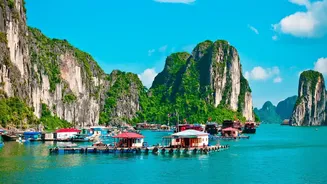
Organised tours are designed to be efficient, often covering multiple countries and key highlights in a short amount of time. You are guaranteed to see the iconic sites like Angkor Wat or Ha Long Bay. However, itineraries can be fast-paced, and you might only get a surface-level feel for each place. Independent travel allows for deeper immersion. You can spend a week exploring one neighbourhood, take a cooking class on a whim, or simply sit in a cafe for hours and watch the world go by. Modern tours are increasingly offering more authentic cultural experiences, but they can't replicate the unique discoveries that come from having complete control over your time.