



The Pull of Imperfect Beauty
The biggest driver behind this trend is a collective sigh of relief from the pressure of perfection. We're moving towards ‘wabi-sabi,’ the Japanese philosophy of finding beauty in imperfection and transience. A weathered terracotta pot, with its chalky
residue, mineral stains, and maybe even a small crack, tells a story. It has character. Unlike a flawless, factory-made synthetic vase that looks identical to thousands of others, a clay pot feels unique and alive. This embrace of imperfection is a form of visual comfort, making our living spaces feel more relaxed, authentic, and human.
Bringing Nature Indoors (Biophilic Design)
After years spent more indoors than ever, the desire to connect with the natural world is stronger than ever. This is the core of biophilic design: incorporating natural materials, light, and plants into our homes to improve our well-being. Clay, being literally ‘of the earth,’ is a perfect biophilic element. Its porous nature is good for plants, allowing roots to breathe, but its aesthetic value goes beyond function. The reddish-brown tones of terracotta are inherently warm and grounding. Placing a clay pot in a room is a small but powerful way to anchor the space and bring a piece of the outdoors inside, reducing stress and boosting our mood.
A Modern Nod to Indian Tradition
For us in India, the clay pot is not a new trend but a timeless part of our cultural fabric. From the humble ‘matka’ keeping water cool to the diyas that light up our festivals, earthenware has always been here. What’s new is the re-contextualisation. Designers and homeowners are now appreciating these traditional forms for their sculptural beauty. A simple, beautifully shaped clay pot, traditionally used for storage or cooking, is now being seen as a standalone art object. It’s a way of honouring our heritage, not as a museum piece, but as a living, breathing part of contemporary Indian homes.
Beyond the Basic Terracotta
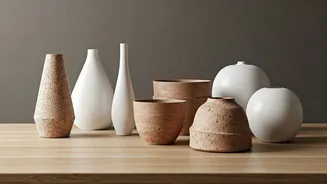
When we say ‘clay pots,’ don't just picture the standard nursery pot. The variety available today is staggering. There are large, ancient-looking urns that can command a corner of a living room, and there are collections of small, mismatched pots for a windowsill. You can find pots with a subtle glaze, half-dipped in paint, or etched with minimalist patterns. The textures range from rough and sandy to surprisingly smooth. This diversity allows them to fit into any decor style—from rustic farmhouse to minimalist modern—proving their versatility far beyond the garden.
How to Style Your Earthy Pots
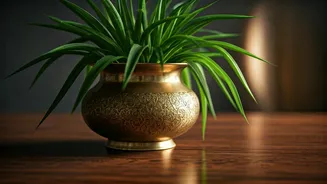
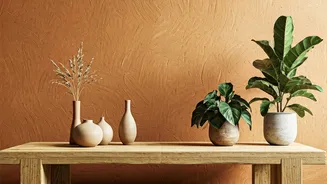
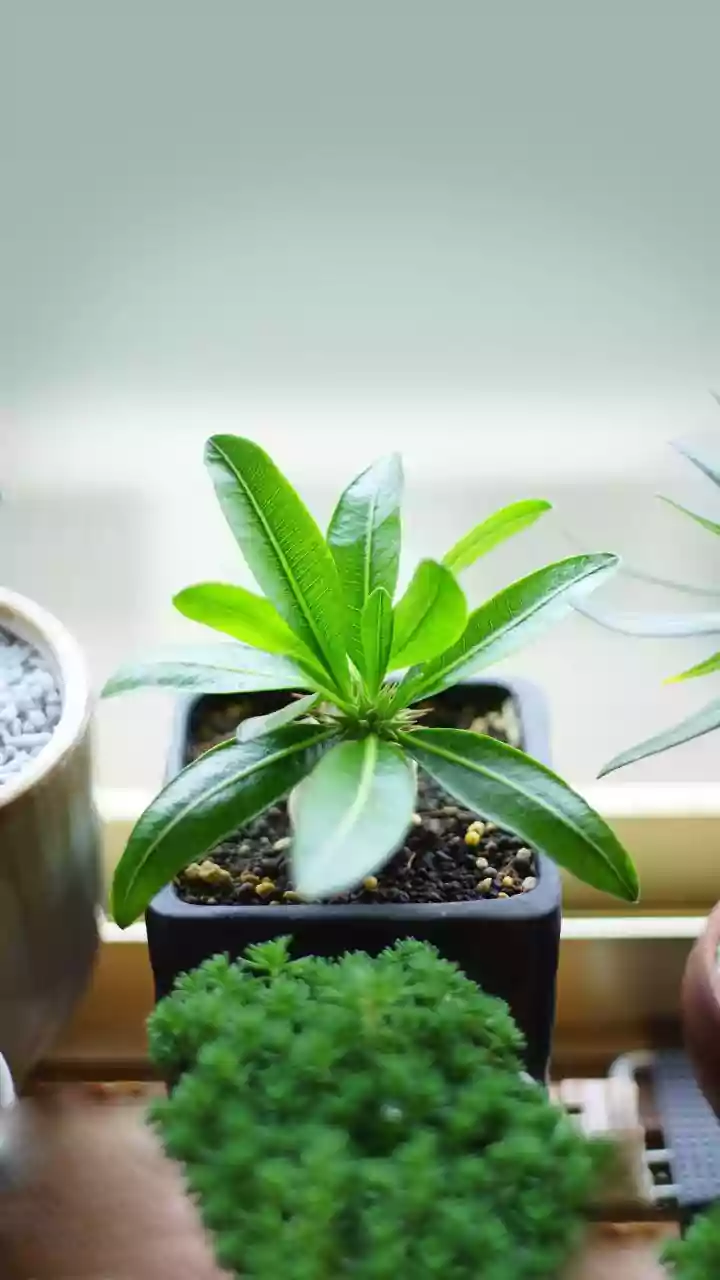
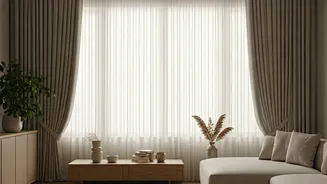
Integrating this trend is easy and forgiving. Start with a single statement pot on a side table or console, perhaps holding dried grasses or sculptural branches instead of a traditional floral arrangement. Grouping is also powerful: a cluster of three pots of varying heights and textures creates a beautiful focal point. Don't relegate them to just holding plants; use smaller ones as pen holders on a desk or to corral utensils in the kitchen. The key is to let them be. Their simple, honest form is their strength, and they look best when not over-styled.
A Sustainable and Mindful Choice
Finally, this shift is also a more conscious one. Choosing a pot made from natural, biodegradable clay over a plastic or resin vase is a small vote for sustainability. Many of these pots are made by local artisans, so purchasing them supports small-scale, traditional crafts. In a world of fast furniture and disposable decor, investing in a piece that is durable, timeless, and ethically made feels not just stylish, but right. It's a mindful choice that adds depth and meaning to the objects we choose to live with.