



Why Monsoon Is a Pest Paradise
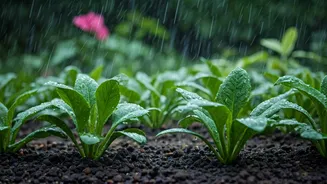
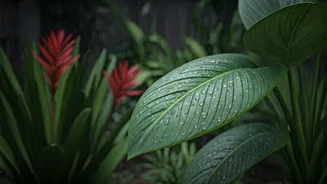
The magic of the monsoon—cool air, drenched earth, and vibrant growth—also creates the perfect storm for garden pests. High humidity and constant moisture on leaves are ideal conditions for fungal spores to germinate and spread. Diseases like powdery
mildew, leaf spot, and root rot thrive in this environment. Furthermore, the damp soil and reduced sunlight encourage pests like snails, slugs, aphids, and mealybugs to multiply rapidly. They find shelter in dense, wet foliage and feed on the tender new growth that the rains promote. Regular pest checks become essential not just to manage existing problems, but to catch them before they can take hold and cause significant damage to your beloved plants.
Your Most Unwanted Garden Guests
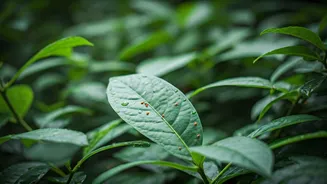
During your garden rounds, keep a sharp eye out for these common monsoon culprits. Aphids, mealybugs, and whiteflies are tiny sap-sucking insects that often hide on the undersides of leaves and on new shoots, causing leaves to curl and yellow. Snails and slugs are nocturnal feeders that leave tell-tale irregular holes in leaves. Caterpillars can also do significant damage by chewing through foliage. Beyond insects, watch for signs of fungal disease, which is equally problematic. Look for white powdery coatings on leaves (powdery mildew) or dark spots (leaf spot). Wilting plants, despite the wet soil, can be a sign of root rot, a serious issue caused by waterlogged soil.
A Proactive Pest-Check Routine
The best defence is a good offence. Make it a habit to inspect your plants at least twice a week, especially after heavy rain. Gently turn over leaves to check their undersides, a favourite hiding spot for many pests. Examine the stems, particularly where they meet the soil, for signs of rot or insect clusters. Look closely at new, tender growth, as this is often the first target for sap-suckers. Part the foliage to ensure good air circulation and look for any signs of mould or mildew on the inner leaves. Also, inspect the soil surface for slugs, snails, or fungal growth. Removing weeds and fallen leaves is crucial, as this debris can shelter pests and diseases.
Your Organic Defensive Toolkit
You don't need harsh chemicals to protect your garden. A few simple, organic solutions can be incredibly effective. A homemade neem oil spray is an excellent all-rounder. Mix about 5 ml of cold-pressed neem oil and a few drops of mild liquid soap with a litre of warm water, and spray it on your plants weekly. The soap acts as an emulsifier, helping the oil and water mix. This spray deters a wide range of pests and also has antifungal properties. For fungal issues like powdery mildew, a spray made from 1 teaspoon of baking soda and a few drops of soap in a litre of water can work wonders. Physical barriers like crushed eggshells around the base of plants can deter slugs and snails. For bigger infestations, always test your spray on a small part of the plant first and apply it in the early morning or evening to avoid burning the leaves.
Ensuring a Healthy Foundation
Preventing pests and diseases starts from the ground up. Ensure your pots and garden beds have excellent drainage to avoid waterlogging, which is a primary cause of root rot. Adding coarse sand or gravel to your potting mix can help. Avoid overcrowding your plants; proper spacing allows for good air circulation, which helps leaves dry faster and reduces the risk of fungal infections. When you water, aim for the base of the plant rather than the leaves. Finally, promoting a healthy ecosystem by planting flowers like marigolds can attract beneficial insects like ladybugs, which are natural predators of pests like aphids.