







The Power of Potassium
Before you dismiss the idea, let's talk about why it works. The humble banana peel is a fantastic source of potassium, one of the three major macronutrients essential for plant health, along with nitrogen and phosphorus (the 'K' in NPK fertilisers). While
nitrogen promotes leafy growth and phosphorus helps with root development, potassium is the superstar when it comes to flowering and fruiting. It plays a crucial role in moving water and nutrients throughout the plant, strengthening stems, improving disease resistance, and, most importantly, activating the enzymes responsible for producing beautiful, abundant blossoms. Using banana peels is a sustainable way to recycle kitchen scraps and provide this vital nutrient to your plants without resorting to chemical fertilisers.
Recipe: How to Make Banana Peel Tea
Creating your own organic flower-boosting spray is incredibly simple. You don't need the whole banana, just the peels, which reduces sugar content and the risk of attracting pests. This recipe creates a nutrient-rich 'tea' that's easy for plants to absorb. **What you'll need:** - Peels from 2-3 ripe bananas - 1 large glass jar with a lid - 1 litre of water (preferably filtered or rainwater) **Instructions:** 1. Chop the banana peels into small, one-inch pieces. This increases the surface area, allowing more nutrients to leach into the water. 2. Place the chopped peels into the glass jar. 3. Pour the litre of water over the peels, ensuring they are fully submerged. 4. Screw the lid on tightly and place the jar in a cool, dark place for 3 to 5 days. You can also leave it on a sunny windowsill to speed up the fermentation process slightly. 5. After a few days, the water will have turned a brownish colour and may have a slightly fermented smell. This is perfectly normal. Strain the liquid into a separate container or spray bottle, and your banana peel tea is ready to use. You can add the leftover peels to your compost pile.
How to Use Your Banana Spray
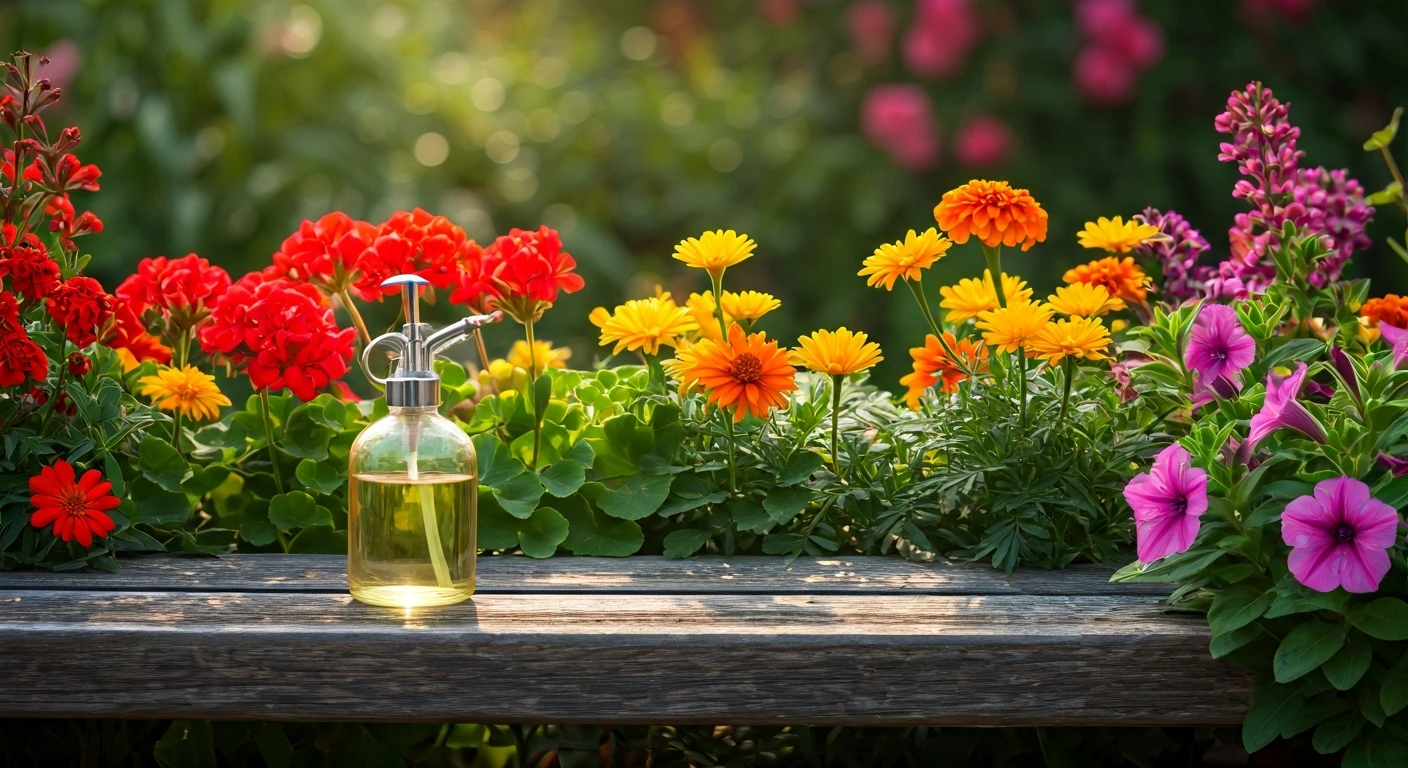
You can apply your homemade banana tea in two effective ways. The first is as a foliar spray. Dilute the tea with an equal part of water (a 1:1 ratio) and pour it into a clean spray bottle. Lightly mist the leaves of your flowering plants early in the morning or late in the evening. Avoid spraying in direct, hot sunlight, as this can scorch the leaves. Foliar feeding allows the plant to absorb the nutrients directly through its leaves for a quick boost. The second method is a soil drench. Use the banana tea (you can use it undiluted for this) to water the base of your plants. This delivers potassium directly to the root system, where it can be stored and used by the plant as needed. For best results, use the spray or soil drench once every two to three weeks during the peak growing and flowering season.
Which Flowers Benefit Most?
While most plants appreciate a potassium boost, some are particularly heavy feeders and will show the most dramatic results. In Indian gardens, this spray works wonders for plants known for their prolific blooms. - **Roses:** Known for needing ample potassium for strong stems and vibrant flowers. - **Hibiscus (Gudhal):** This tropical favourite thrives with regular feeding to produce its large, showy blossoms. - **Bougainvillea:** A potassium boost can encourage more colourful bracts and less leafy growth. - **Marigolds (Genda):** Helps them produce a continuous flush of bright, cheerful flowers throughout the season. - **Fruiting Plants:** Don't forget your vegetables! Tomatoes, peppers, and brinjal also benefit greatly from the extra potassium, leading to better fruit development.
A Few Words of Caution
This organic spray is a wonderful supplement, but it's not a complete fertiliser. Your plants still need a balanced diet of other nutrients, good quality soil, and proper sunlight and watering. Think of the banana tea as a vitamin boost, not a whole meal. Furthermore, be mindful not to overdo it. While the fermented tea is less likely to attract pests than fresh banana, excessive moisture on leaves can sometimes encourage fungal issues. Always allow plants to dry out between applications and ensure good air circulation. If you notice ants or other insects gathering, reduce the frequency of use or stick to the soil drench method.