


What Exactly Is Khapli Wheat?
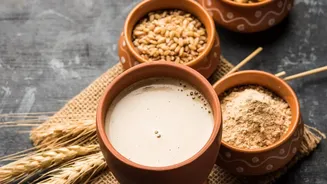
Khapli wheat, also known as Emmer wheat, is an ancient grain that has been cultivated in India for thousands of years, particularly in regions like Maharashtra and Karnataka. Unlike modern wheat, which has been extensively hybridized for higher yields,
Khapli has remained genetically purer. This ancient variety, one of the first crops domesticated by humans, has a distinctly hard outer crust, which is what the Marathi word "khapli" refers to. Its recent resurgence in popularity is driven by a growing appreciation for its robust nutritional profile and what our ancestors seemed to know all along: that not all grains are created equal.
The Secret to Sustained Energy
The primary reason Khapli wheat provides long-lasting energy lies in its low glycemic index (GI). The GI measures how quickly a food raises blood sugar levels. Khapli wheat has a GI of around 45, which is classified as low, whereas modern wheat has a high GI of about 70. Foods with a high GI cause a rapid spike in blood sugar, followed by a sharp crash that leaves you feeling tired and sluggish. In contrast, the complex carbohydrates in Khapli are digested slowly, leading to a gradual and steady release of glucose into the bloodstream. This prevents the dreaded energy crash and provides a consistent fuel supply for hours, keeping you focused and active.
A Superior Nutritional Profile
Khapli isn't just about slow-release energy; it's also a nutritional powerhouse compared to its modern counterpart. It is notably richer in dietary fiber and protein. This high fiber content not only aids digestion but also contributes to a feeling of fullness, which can help with weight management by preventing overeating. Furthermore, Khapli wheat contains higher levels of essential minerals like magnesium and iron, which are vital for energy metabolism and overall health. The grain's simpler genetic structure and different gluten composition may also make it easier to digest for some people who experience discomfort from modern wheat, though it is not gluten-free.
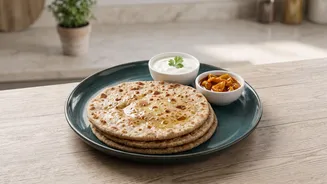
Making the Switch to Khapli Parathas
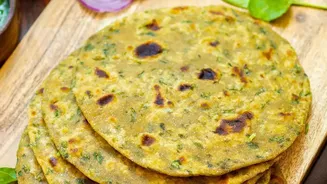
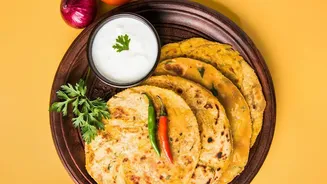
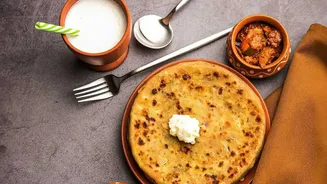
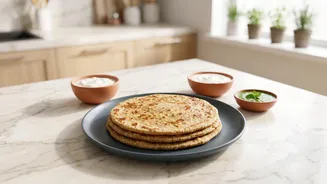
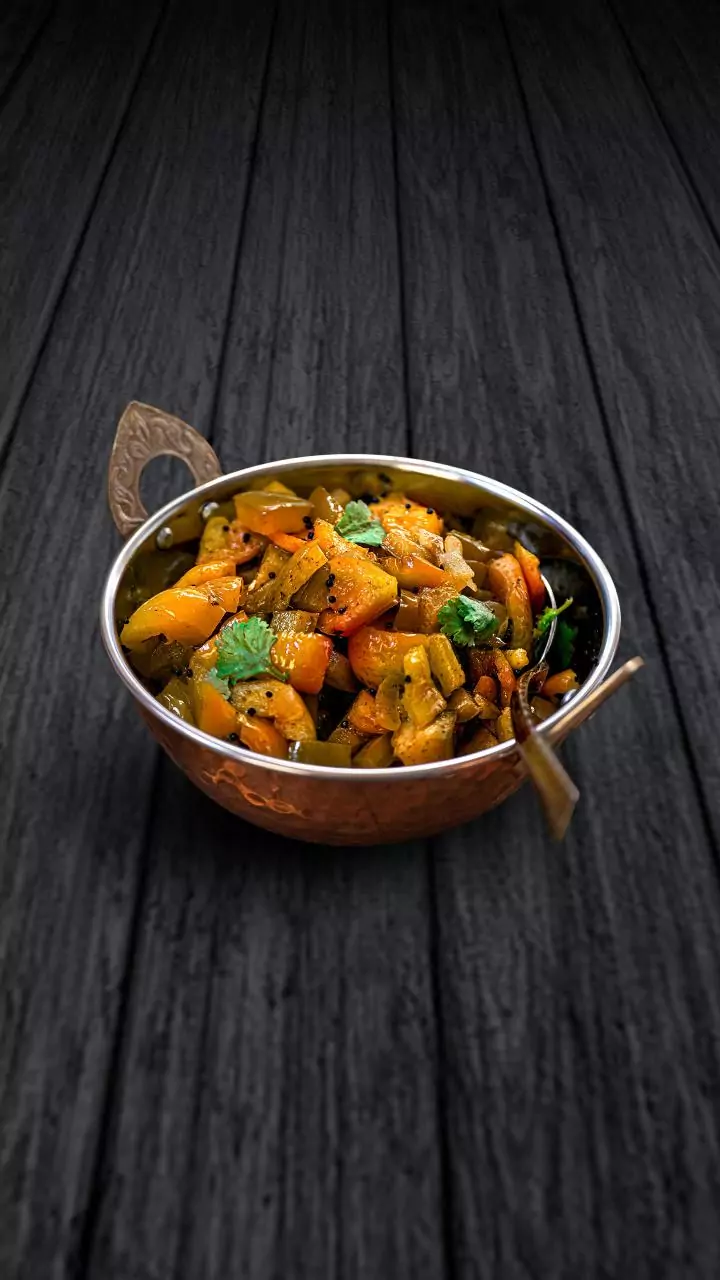
Incorporating Khapli atta into your kitchen is straightforward, but there are a few things to note. The dough made from Khapli flour can be slightly denser and stickier than regular atta due to its different gluten structure. You might need to adjust the amount of water and be a little more patient while kneading. The resulting parathas will have a nuttier, more complex flavor and a slightly coarser texture, which many people find delicious. They may not puff up as dramatically as those made from modern, high-gluten flour, but their wholesome, satisfying nature more than makes up for it. For a balanced and filling meal, stuff your Khapli parathas with vegetables to further enhance their nutritional value.