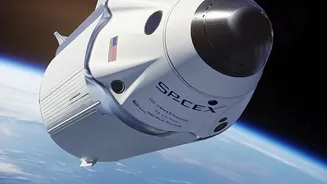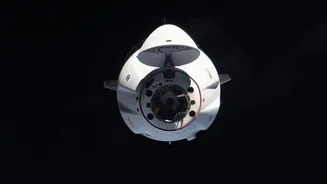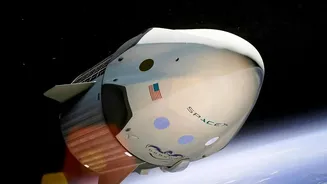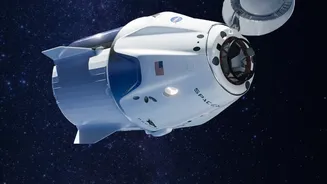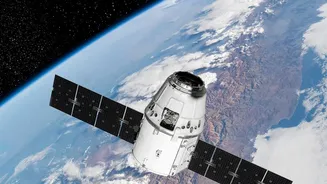



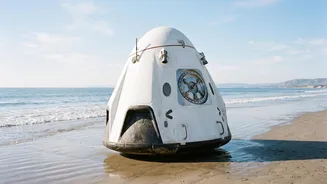
A special delivery from orbit has arrived. After spending over a month at the International Space Station, a SpaceX Dragon capsule successfully returned to Earth, bringing with it a precious cargo of scientific experiments and hardware.
A Successful Splashdown
On November 21,
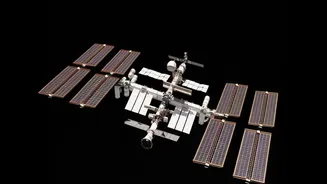
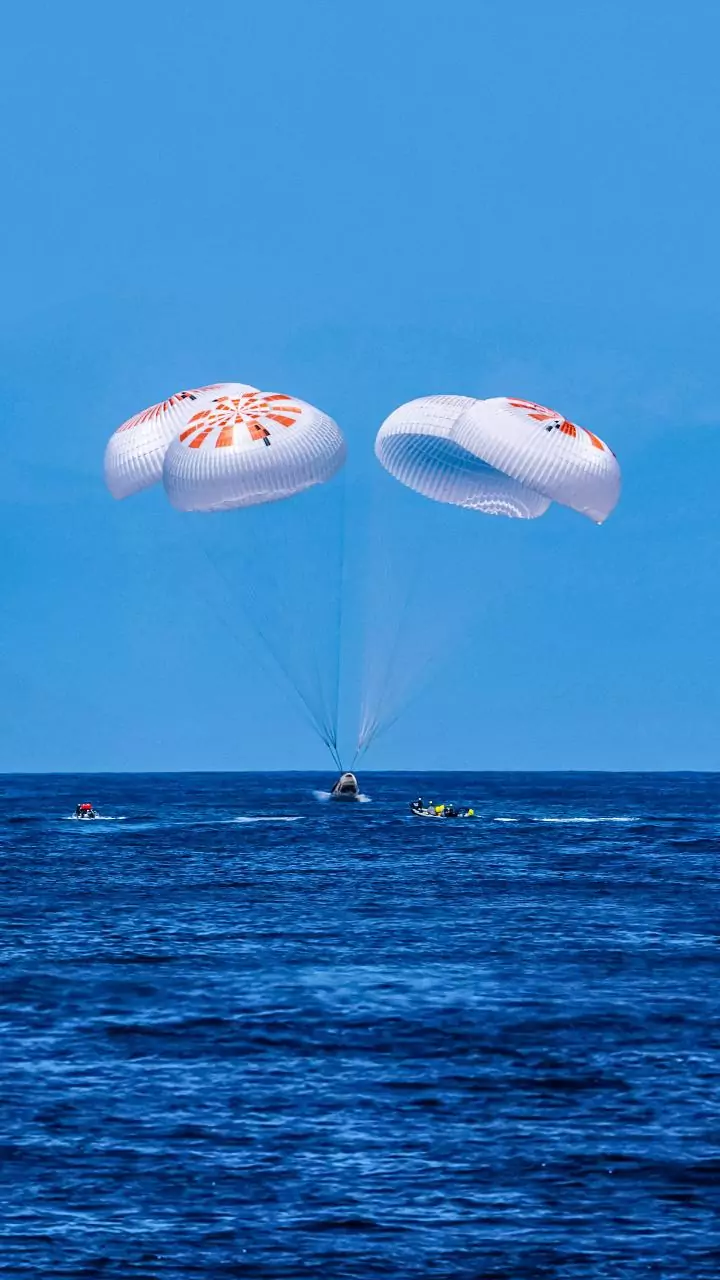
the uncrewed SpaceX Dragon spacecraft splashed down in the Pacific Ocean, successfully concluding NASA's 35th Commercial Resupply Services (CRS-35) mission. The capsule undocked from the International Space Station (ISS) a day earlier, on November 20, beginning its journey back to Earth. This return marks another milestone in the crucial partnership between NASA and commercial companies like SpaceX, which provides the unique ability not just to deliver supplies to the orbiting laboratory, but also to bring valuable materials back home for in-depth analysis. Unlike other cargo vehicles that burn up on reentry, the reusable Dragon is essential for a huge range of scientific inquiry.
Precious Cargo: Cells, Tissues, and Tech
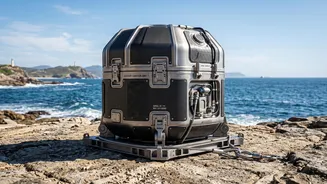
Packed inside the capsule was a diverse collection of scientific materials. The time-sensitive biological samples are among the most critical. This includes frozen tumor organoids that were treated with experimental therapies while in orbit, which scientists hope will provide insights to improve cancer treatments and advance personalized medicine. Also onboard were 3D-bioprinted blood vessel constructs, created in space to study how cardiovascular disease develops and how blood vessels age. In addition to these biological samples, the mission returned important hardware. One notable piece of equipment was a specialized lighting system that spent over three years on the station, used in a study to see if it could improve astronauts' sleep and well-being on long missions.
Unlocking the Secrets of Microgravity
The reason for sending these experiments to space is to study them in a microgravity environment, where the near-weightlessness allows biological processes to act differently than they do on Earth. For example, the 3D models of human brain tissue, known as organoids, can help scientists study neurological conditions like Alzheimer's and Parkinson's disease by observing how these cells develop and interact without the structural constraints of gravity. Another key area of study involves antibiotic resistance. Scientists will analyze frozen microbial samples that were cultured on the ISS to better understand how 'superbugs' survive, adapt, and evolve in the unique environment of space. This could have important implications for protecting astronaut health on future long-duration missions and may also offer insights into how these microbes behave on Earth.
A Race Against Time on Earth
The mission doesn't end at splashdown. For many of the biological samples, the clock is ticking. Once the Dragon capsule is retrieved from the ocean, a specialized team works quickly to transport the time-sensitive experiments to laboratories. Many are sent to NASA's Kennedy Space Center for initial processing and distribution to research teams across the country. This rapid return is vital for ensuring the integrity of the samples, especially the living cells and tissues that can degrade quickly. The ability to get these materials from the station to a lab bench in a short amount of time is a complex logistical feat that underscores the value of Dragon's return capability. It ensures that the data gathered from these unique microgravity experiments is as accurate and valuable as possible.