







1. Cherries
Don't let their small size fool you; cherries are a nutritional powerhouse perfectly suited for the season. They are one of nature's best sources of anthocyanins, potent antioxidants that give them their deep red color and provide anti-inflammatory benefits.
This can be especially helpful on those heavy, humid days when you might feel puffy or achy. Hitting their peak in early to mid-summer, cherries are also a good source of fiber and vitamin C. Their relatively short season makes them a special treat, so enjoy them while they're at their sweetest and most beneficial.
2. Berries (Blueberries, Strawberries, Raspberries)
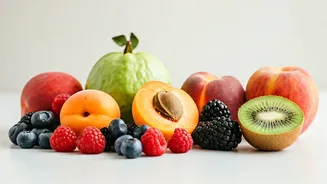
A mixed bowl of berries is like a multi-vitamin for the summer. Blueberries are famed for their brain-boosting antioxidants, while strawberries are loaded with vitamin C—a crucial nutrient for supporting your immune system, which can be challenged by the damp, germ-friendly environment of a rainy spell. Raspberries offer an impressive amount of dietary fiber, promoting good digestion. Because they are at their peak during the summer months, they are not only more flavorful but also more nutrient-dense than their off-season counterparts. Add them to yogurt, oatmeal, or just eat them by the handful.
3. Watermelon
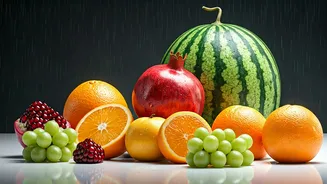
Nothing says summer like a crisp, juicy slice of watermelon, and its benefits go far beyond simple refreshment. Composed of about 92% water, it is the ultimate hydrating fruit—essential for replenishing fluids lost through sweat on hot, muggy days. Watermelon is also a fantastic source of lycopene, an antioxidant linked to heart and skin health, offering a bit of internal protection from summer stressors. It contains citrulline, an amino acid that may help reduce muscle soreness, making it a perfect post-workout snack after a humid-day jog. For a smart and delicious way to stay hydrated, watermelon is a top-tier choice.
4. Peaches and Nectarines
The quintessential flavor of summer, peaches and nectarines are more than just a sweet indulgence. These stone fruits are packed with vitamin C, which aids in immune function and skin health by promoting collagen production. They also provide a healthy dose of vitamin A, important for vision and overall immunity. Their juicy flesh helps with hydration, while their fiber content supports a healthy digestive system. Whether you prefer the fuzzy skin of a peach or the smooth exterior of a nectarine, both are at their peak during the warm, wet months, making them a delicious and sensible addition to your fruit bowl.
5. Plums
Often overlooked, plums are an excellent choice for this time of year. They are particularly well-known for their digestive benefits. Plums are a great source of both soluble and insoluble fiber, which helps maintain regularity—a welcome benefit when summer heat can make your system feel sluggish. They're also rich in antioxidants, including phenols and vitamin C. With a season that runs from May through early fall, they are widely available when you need them most. Their sweet-tart flavor profile makes them a versatile fruit, delicious on their own or cooked into sauces and desserts.
6. Papaya
For a tropical twist that’s perfectly suited to a humid climate, look no further than papaya. This fruit contains a special enzyme called papain, which is renowned for its ability to aid in protein digestion. If heavy summer barbecues or rich foods leave you feeling bloated, a serving of papaya can help soothe your stomach. Furthermore, it's exceptionally high in vitamin C—a single small papaya can provide well over your daily requirement—offering a major boost to your immune defenses. Its bright, sunny flavor is an instant mood-lifter on an overcast, rainy afternoon.