






Your Travel Outfit is Your First Suitcase
The single most effective strategy for managing the 7kg limit is to wear your heaviest items on the plane. Airlines weigh your bag, not you or the clothes on your back. This means your bulkiest winter coat, your heaviest sweater, and your sturdiest boots
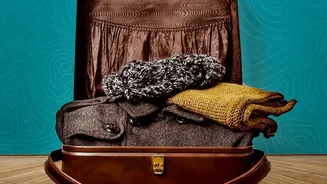
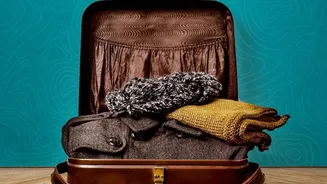
should be part of your travel day outfit. It might feel cumbersome for a moment, but it frees up a significant amount of weight and volume in your bag—often up to 1.5kg or more from the coat alone. Think of your flight outfit as a wearable storage unit. Layer a t-shirt, a fleece or light sweater, and your main jacket. This also prepares you for variable temperatures in airports and on the plane itself.
The Foundation: Heaviest Items at the Bottom
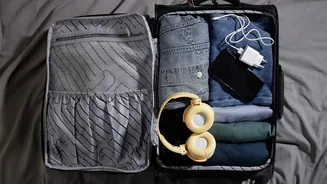
Once you've set aside your travel outfit, it's time to pack the bag itself. The universally agreed-upon rule is to place the heaviest packed items at the bottom of your suitcase, near the wheels. This provides stability and makes the bag easier to roll. This layer should include items like your second pair of shoes (if any), your toiletry bag, and any other dense objects like power banks or books. For shoes, stuff them with smaller items like socks, chargers, or underwear to maximise every inch of space. This creates a solid, balanced base for the lighter clothing to rest on.
The Core: Compressing and Rolling
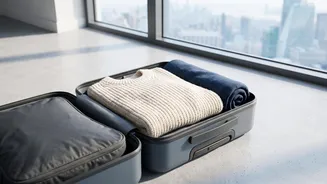
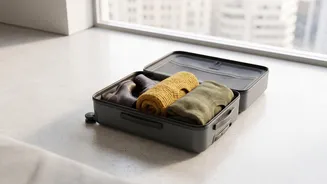
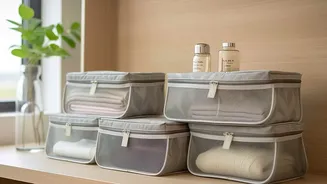
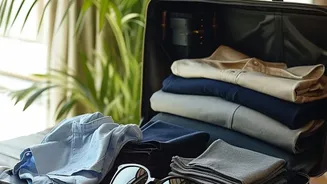
This is where the magic happens for your bulky clothes. For items like sweaters, thermal wear, and trousers, rolling is superior to folding. Tightly rolled clothes take up less space and can be arranged like a game of Tetris, filling the main cavity of your bag. This method also helps reduce major creases. For the bulkiest soft items, like a fleece jacket or thick wool sweaters that you are not wearing on the plane, consider using compression packing cubes. These cubes have an extra zipper that squeezes out excess air, dramatically reducing the volume of the contents. However, be mindful that while compression cubes save space, they don't reduce weight. Keep your portable luggage scale handy.
The Middle Layers: Versatility is Key
Instead of packing multiple thick jumpers, focus on versatile, lightweight layers. Thin merino wool base layers, long-sleeved tops, and a couple of light knit sweaters will provide more warmth and outfit combinations than one or two chunky knits. This layering system is the core of a smart winter travel wardrobe. When packing these, you can either roll them individually or use the 'bundle rolling' method, where you lay a smaller item (like a t-shirt) on top of a larger one (like a sweater) and roll them together into a single, compact unit. This keeps outfits organised and further compresses your clothing.
The Top Layer: Quick-Access Essentials
The items you place at the very top of your bag should be those you might need to access quickly. This includes your clear bag of liquids for security screening, any medications, and perhaps a scarf or pair of gloves if you anticipate a cold blast upon arrival. Placing these items on top prevents you from having to rummage through your carefully packed layers at the airport. This is also a good place for delicate items that you don't want to be crushed by heavier objects.
Maximise Your Personal Item
Finally, don't forget the power of your 'personal item'. Most airlines allow one cabin bag plus a smaller personal item, like a backpack or a large tote bag. This is the perfect place for your electronics (laptops, cameras), your e-reader (to save on the weight of books), important documents, and any snacks. You can also fit a lightweight, packable scarf or a thin cardigan in here. Strategically using your personal item for dense or essential things ensures your main 7kg bag is reserved almost exclusively for clothing and toiletries, making the weight limit much easier to meet.