

Ulli Theeyal: The Soulful Shallot Curry
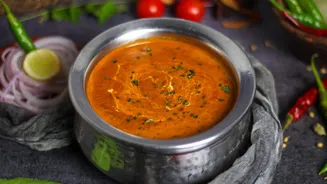
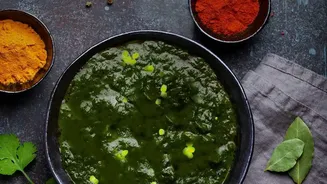
While sambar often takes centre stage, Ulli Theeyal is a rustic and deeply flavorful contender from the heart of Kerala. This dark, aromatic curry is made by slow-roasting grated coconut until it turns a rich brown, then grinding it into a paste with
spices. The star of the dish, however, is the humble shallot (ulli), which is sautéed and then simmered in this coconut and tamarind-based gravy. The result is a complex, smoky, and tangy curry that pairs beautifully with steamed rice. Theeyal represents a style of cooking that is both patient and rewarding, showcasing how roasting coconut can completely transform a dish.
Non-Vegetarian Dishes: A Malabar Onam Tradition
In the northern parts of Kerala, particularly the Malabar region, the Onam feast isn't strictly vegetarian. Communities here often supplement the traditional sadhya with a variety of meat and fish preparations, reflecting the region's diverse cultural history. Dishes like Nadan Kozhi Varattiyathu (spicy chicken fry) or a flavorful Beef Ularthiyathu (beef fry slow-cooked with coconut slivers and spices) are served alongside the vegetarian fare. This practice isn't about replacing the sadhya but rather enhancing it, celebrating the festival with all the foods the community loves. It’s a testament to Onam being a cultural harvest festival that embraces all of Kerala's people.
Pappada Vada: The Snack You Can't Resist
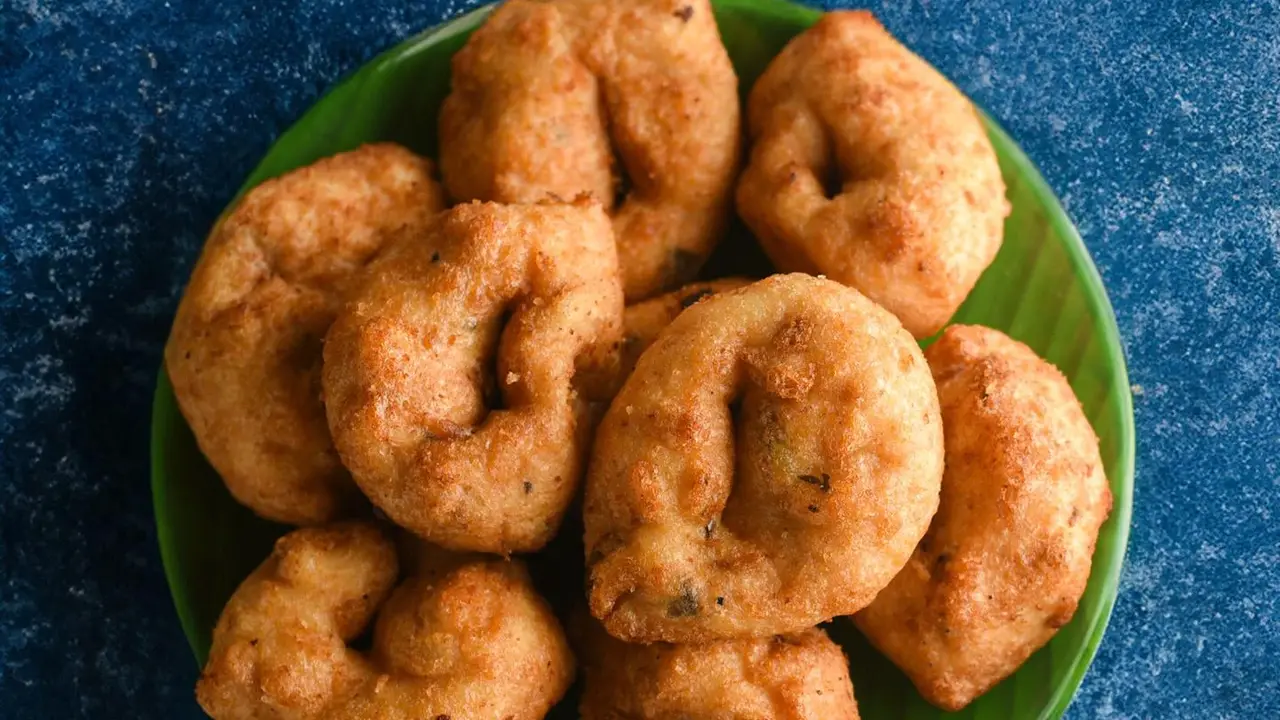
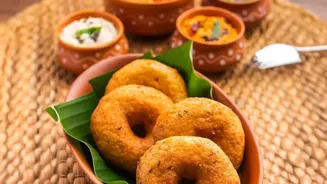
Everyone knows the crisp pappadam that shatters over the rice in a sadhya. But have you heard of Pappada Vada? This is a popular and addictive tea-time snack that finds its way into festival fare. It involves coating the plain papad (pappadam) in a spiced rice-flour batter and deep-frying it to create a crunchy, puffed-up, and savory fritter. This simple but ingenious snack is a beloved fixture in Kerala's households that is sadly losing its prominence to packaged snacks, making its revival during Onam all the more special.
Vazhakoombu Payasam: A Blossom Dessert
Payasam is the quintessential dessert of the Onasadhya, but there are countless variations beyond the usual rice or lentil-based ones. One truly unique and lesser-known version is Vazhakoombu Payasam, made from banana blossoms. The banana blossom (vazhakoombu) is finely chopped and cooked before being added to a sweet, creamy base of jaggery and coconut milk, scented with cardamom. This dessert is a perfect example of the Keralan culinary philosophy of using every part of a plant, turning the often-overlooked banana flower into a delicious and memorable sweet treat.
Unnithandu Thoran: The Sustainable Stem Stir-Fry
Following the principle of not wasting any part of the banana plant, Unnithandu Thoran is a delicious stir-fry made from the tender inner core of the banana stem. The stem is meticulously cleaned, finely chopped, and then stir-fried with mustard seeds, curry leaves, and grated coconut. It has a unique, crunchy texture and a subtle flavour. This dish is not just a culinary delight but also highly valued for its fibre content and health benefits, embodying the resourcefulness and connection to nature that is central to a harvest festival.
Chakka Kuru Manga Curry: A Seasonal Delight
This curry is a beautiful celebration of seasonal availability, combining two beloved ingredients: jackfruit seeds (chakka kuru) and raw mango (pacha manga). The jackfruit seeds are cooked until tender, providing a nutty texture and earthy flavour that contrasts wonderfully with the tartness of the raw mango. Both are simmered in a coconut-based gravy, creating a curry that is both comforting and tangy. It’s a specialty that appears when both ingredients are in season, making it a true, time-honoured taste of Kerala's kitchens.