


Why We Hesitate to Throw Food Away
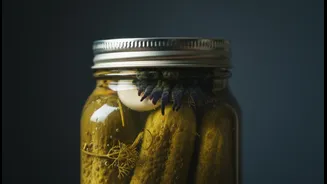
It feels wasteful to throw away a nearly full jar of food. Perhaps it was a gift, a special homemade batch of chutney, or an expensive artisanal preserve. Our instincts tell us not to waste food, a value deeply ingrained in Indian culture. We might think,
"Let me just scrape off the top layer," or "I'll just taste a tiny bit to see." This thinking, while well-intentioned, is incredibly dangerous when it comes to improperly sealed or stored jarred goods. The risk is not just a bit of mould or an off-taste; it can be a severe, life-threatening illness that you cannot see, smell, or taste.
The Invisible Danger: Botulism
The primary danger in improperly canned or jarred low-acid foods is Clostridium botulinum. This bacterium is found in soil and can survive as a hardy spore. In a low-oxygen, low-acid environment—like the inside of a sealed jar of vegetables, meats, or even some tomato sauces—these spores can germinate and produce a neurotoxin. This toxin is one of the most potent poisons known to man and causes botulism, a rare but potentially fatal form of food poisoning. Symptoms can appear within hours or days and include blurred vision, difficulty swallowing or speaking, muscle weakness, and eventually, paralysis of the breathing muscles, which can lead to death.
Your Senses Can Deceive You
You cannot rely on the 'sniff test' or a small taste to determine if a jarred food is safe. The botulinum toxin is completely odorless, tasteless, and invisible. A jar of food can be contaminated with a lethal dose of the toxin without showing any obvious signs of spoilage. While some spoiled foods develop a foul odor or grow visible mould, these are signs of different kinds of bacteria or yeast, not necessarily the presence of the botulism toxin. Never, ever taste food to check for spoilage; even a minuscule amount of contaminated food can be fatal.
Clear Signs a Jar Has Gone Bad
While you can't detect botulism toxin directly, there are clear warning signs that a jar's seal has been compromised, indicating it is unsafe. Discard any jar if you notice: A Bulging or Loose Lid: The lid should be firm and slightly concave. If it's bulging, popped, or loose, it means gas has been produced by bacteria inside. A Broken Seal: Before opening, press the center of the lid. If it moves or makes a popping sound, the seal is broken. Spurting Liquid or Hissing Sound: When you open a jar, it should release a gentle 'whoosh' of air entering. If liquid spurts out or it hisses loudly, this indicates pressure from gas buildup. Visible Mould or Strange Colours: Any signs of fuzzy growth (white, green, black) or unusual discoloration are red flags. * Cloudy Brine or Rising Bubbles: The liquid inside should be clear, not cloudy or milky. Active, rising bubbles are a sign of fermentation.
The Myth of 'Cooking It Out'
Some believe that if you cook spoiled food, it will become safe to eat. This is a dangerous misconception. While boiling food for at least 10 minutes can destroy the botulism toxin itself, it does not kill the heat-resistant spores of the C. botulinum bacteria. If the conditions were right for the toxin to form once, they could be right again. Furthermore, you cannot be certain you have heated every particle of the food to the required temperature for the necessary time. It is not a risk worth taking. The only safe action is disposal.
How to Safely Dispose of a Spoiled Jar
If you suspect a jar is spoiled, especially a low-acid food like vegetables or meat, you must handle it with extreme care to protect yourself, your family, and pets. According to food safety experts, you should not simply throw it in the bin where an animal could get to it. If the jar is still sealed, place it in a heavy, sealable plastic bag, then put it in the regular trash. If the jar is open or leaking, it should be detoxified first. Wear rubber gloves, and avoid any contact with the food. The jar and its contents can be boiled in a large pot of water for 30 minutes to destroy the toxin before disposal. Afterwards, clean any contaminated surfaces with a bleach solution.