



July’s Buck Moon: When to Look Up
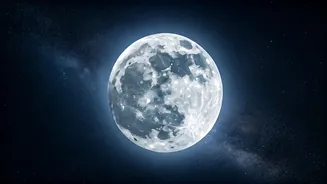
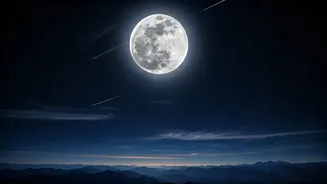
This month offers a spectacular full moon on the night of July 29, 2026. Known as the Buck Moon, it will reach its peak illumination around 8:06 PM IST. This name, originating from Native American traditions, marks the time of year when male deer begin
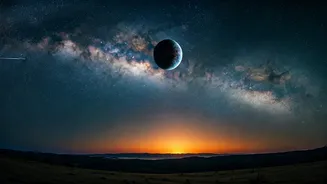
to grow their new antlers. The moon will rise in the east around sunset, appearing dramatically large on the horizon due to a phenomenon known as the 'Moon Illusion'. This optical effect makes it seem bigger when it's low in the sky, offering a stunning photo opportunity. For Hindus and Buddhists, this full moon also coincides with the celebration of Guru Purnima, a day to honour spiritual and academic teachers.
The Strategic Challenge of a Bright Moon
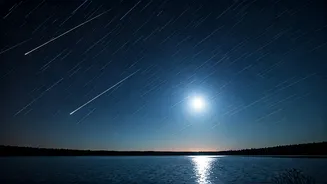
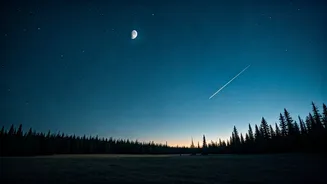
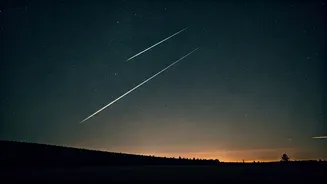
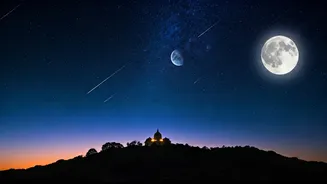
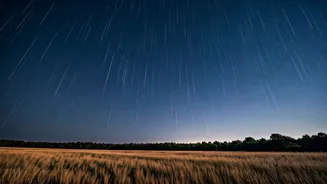
While beautiful, a full moon presents a strategic challenge for stargazers. Its brilliant light acts like natural light pollution, washing out the fainter objects in the night sky. Deep-sky objects like distant galaxies, nebulae, and faint star clusters become nearly impossible to see. Even meteor showers, such as the Delta Aquarids which peak around the end of July, are affected, as only the brightest fireballs can compete with the lunar glare. Your eyes' ability to adapt to the dark is also reduced, making it harder to spot subtle details in the cosmos. This doesn't mean you should pack away your telescope; it just means you need to shift your focus.
What to Observe When the Moon is Full
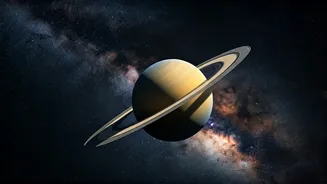
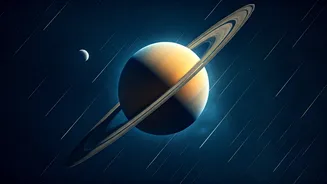
Instead of fighting the moonlight, embrace it. The full moon is the perfect time to observe the moon itself. With a pair of binoculars or a small telescope, you can explore its surface in fascinating detail. Look for the large, dark plains known as 'maria' or seas, and the bright rays emanating from prominent craters like Tycho and Copernicus. While the lack of shadows during a full moon can flatten some features, the contrast between the dark maria and the bright highlands is striking. Additionally, bright planets are not easily outshone. In July 2026, look for Saturn, Mars, and Venus in the sky. The bright stars of constellations like Scorpius and the Summer Triangle will also remain visible.
Simple Tips for Moon Photography
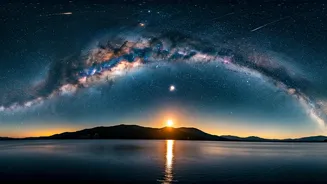
You don’t need professional equipment to capture a memorable photo of the moon. Even a smartphone can get a decent shot with a few tricks. The most important tool is stability; use a tripod or prop your phone against a solid object to avoid blurry images. Turn off the flash, as it will do nothing for an object so far away. If your phone has a 'pro' or manual mode, try lowering the ISO to its base level (like 100) and adjusting the shutter speed. Tap on the moon on your screen to set the focus and exposure, then slide your finger down to darken the image until you can see details on the lunar surface. For a more compelling shot, try framing the moon with a foreground element like a tree, building, or horizon line, especially during moonrise.
Planning Your Skywatching Calendar
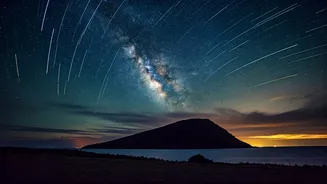
A smart skywatcher plans their activities around the lunar cycle. The weeks surrounding the new moon, when the sky is darkest, are ideal for observing faint deep-sky objects and meteor showers. Use this time to hunt for galaxies and nebulae. Conversely, treat the full moon as your dedicated 'lunar and planetary' week. It’s an opportunity to familiarise yourself with the moon's geography and enjoy the bright planets that populate our solar system. By treating the full moon as a specific event within your broader hobby, you can enjoy the beauty of the night sky throughout the entire month without frustration. It’s not an obstacle; it’s an anchor for your monthly skywatching strategy.