

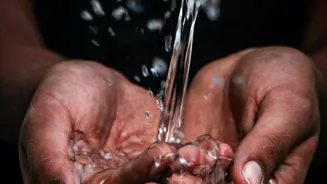
It's a tempting shortcut: you've run out of contact lens solution and reach for the tap. But mixing contact lenses and water—even for a quick rinse—is a dangerous gamble that can have severe consequences for your eye health.
Why Water and Lenses Don’t Mix
Many assume that because tap
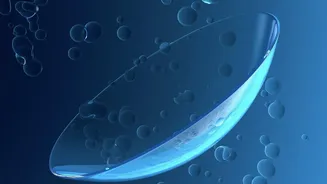
water is treated, it must be safe for any use. While it's fine for drinking, it is not sterile and is unsafe for eyes and contact lenses. Water lacks the disinfecting properties of proper contact lens solution, which is specially formulated to clean, disinfect, and store lenses safely. Furthermore, water has a different composition from your natural tears. When a soft contact lens, which is like a tiny sponge, absorbs plain water, it can swell and change shape. This can cause the lens to stick to your cornea, the clear front surface of your eye, leading to discomfort and tiny scratches that make it easier for germs to invade.
The Invisible Threat: Acanthamoeba
The single biggest danger lurking in water is a microscopic, free-living amoeba called Acanthamoeba. This organism is commonly found in nearly all types of water, including tap water, well water, lakes, oceans, swimming pools, and hot tubs. While generally harmless to ingest, it can be devastating to the eye. When Acanthamoeba gets trapped between your cornea and a contact lens, it can cause a severe infection known as Acanthamoeba keratitis. Contact lens wearers are at the highest risk for this infection, with some estimates suggesting they account for over 85% of cases.
Acanthamoeba Keratitis: A Serious Infection
Acanthamoeba keratitis is a rare but extremely painful infection of the cornea. Symptoms can initially mimic more common eye infections and include eye pain (which can become severe), redness, blurred vision, sensitivity to light, and a persistent feeling that something is in your eye. Because the symptoms can be misleading, diagnosis is sometimes delayed, allowing the infection to worsen. Treatment is often difficult and can last for a year or more. In severe cases, the infection can lead to permanent vision loss or even require a corneal transplant to save a person's sight.
Beyond the Tap: All Water Is Risky
The risk isn’t just from storing lenses in a glass of water overnight. Health authorities like the CDC strongly advise against any contact between lenses and water. This includes showering, bathing, or using a hot tub while wearing your contacts. It is also crucial to remove them before swimming in any body of water, whether it's a chlorinated pool, a lake, or the ocean. Even if you close your eyes, a single splash is enough to introduce dangerous microorganisms. If your lenses accidentally come into contact with water, you should remove them as soon as possible, and either throw them away or thoroughly clean and disinfect them before wearing them again.
The Golden Rules of Contact Lens Care
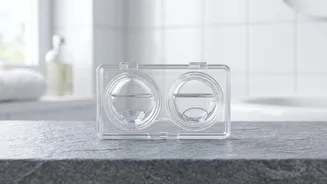
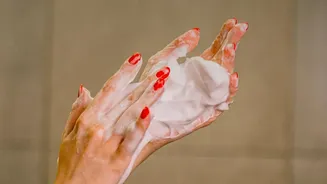
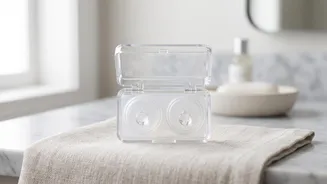
Preventing serious eye infections is straightforward if you follow a few non-negotiable rules for hygiene. Always wash your hands with soap and water and dry them thoroughly before handling your lenses. Never use tap water, saliva, or any liquid other than fresh, commercially prepared contact lens solution to clean, rinse, or store your lenses. Rub and rinse your lenses with solution every time you take them out, and do the same for your lens case. Never 'top off' old solution; use a fresh batch every single time. Finally, replace your contact lens case at least every three months, as it can also become a breeding ground for germs.