







More Than a Location
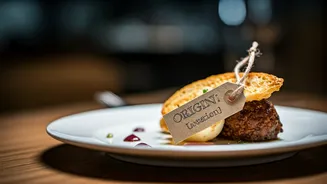
Provenance, which comes from the French word 'provenir' meaning 'to come from', is the story behind your food. It’s about knowing the entire journey of an ingredient: where it was grown or raised, who produced it, and how it got to your plate. This is much
deeper than a simple 'Made in India' label. For a piece of cheese, it might mean knowing the specific farm that provided the milk and the methods of the cheesemaker. For a vegetable, it’s knowing the region it was grown in, the farming practices used, and even the season it was harvested. In a world of complex supply chains, this transparency builds a bridge of trust and authenticity between the producer and the consumer.
The Psychology of a Good Story
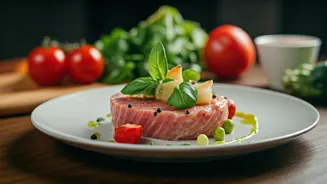
Knowing the origin of our food has a significant psychological impact. Studies show that ingredient stories increase a consumer's perception of authenticity, which can lead to higher purchase intentions. When a menu describes a dish as “Lamb from a local farmer” or “Heirloom tomatoes from a nearby farm,” it does more than just list ingredients; it creates a connection. This story makes diners feel good about their choices, reassuring them about everything from animal welfare to food miles. Research suggests that local food is often perceived as healthier, better-tasting, and more respectful of the environment, simply because its origin is known and feels psychologically closer. This narrative transforms the act of eating from a simple transaction into a memorable experience.
On the Indian Menu
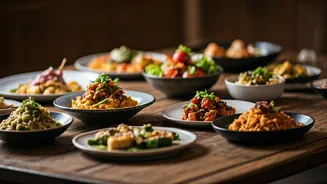
This trend is vibrantly alive in the Indian restaurant scene, where chefs are increasingly celebrating regional ingredients to make their dishes stand out. Restaurants like Kappa Chakka Kandhari in Chennai and Bengaluru, for example, focus on the micro-cuisines of Kerala, sourcing ingredients hyper-locally to ensure authenticity. When you eat their 'pazhampori', you are savouring the specific Chengalikodan nendran banana from Thrissur. Similarly, Manam Chocolate works with 150 farmers in the West Godavari region to create a unique flavour profile for its cacao, controlling everything from soil nourishment to fermentation. This isn't just about sourcing; it's about telling the story of a region through its distinct flavours, a practice that legendary restaurants like Kozhikode's Paragon have mastered with traditional Malabar cuisine.
Bringing Provenance Home
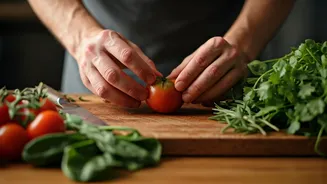
This appreciation for origin isn't limited to restaurant dining. You can embrace the concept of provenance in your own kitchen. It starts with curiosity. Visiting a local farmers' market and talking to the growers is a great first step. Ask them about their farming methods and what's currently in season. Choosing local and seasonal produce not only means you get fresher, more flavourful ingredients but also supports local businesses and reduces food miles. When you understand the effort that went into growing that bunch of spinach or carrots, you develop a deeper connection to your food. This mindfulness can turn the simple act of cooking a weeknight dal into a more meaningful and enjoyable ritual, knowing the story behind every ingredient in the pot.