



The Core Difference: Fibre Content
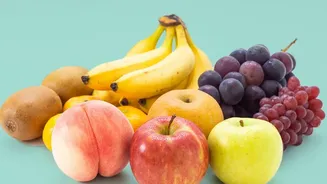
The most significant distinction between eating a whole fruit and drinking its juice is the fibre content. The process of juicing separates the liquid from the fibre-rich pulp and skin. This is a crucial loss, because dietary fibre is a powerhouse for
digestive health, helping to prevent constipation and maintain a healthy gut. Whole fruits, packed with both soluble and insoluble fibre, slow down digestion and help you feel full longer. This feeling of satiety is a key reason why eating an apple is more likely to curb your hunger than drinking a glass of apple juice. Without fibre, you miss out on these benefits.
The Sugar Rush: How Your Body Responds
When you eat a whole fruit, the natural sugars are bound within its cellular structure, along with fibre. This structure forces your body to work harder to break it down, leading to a slow, steady release of sugar into the bloodstream. In contrast, the sugar in fruit juice is considered 'free sugar' by the World Health Organization, similar to the sugar in honey or fizzy drinks. Because the fibre is gone, your body absorbs this sugar much more rapidly, causing a sharp spike in blood glucose and insulin levels. This rapid spike can be followed by a crash, leaving you feeling tired and hungry again soon after. Studies have even linked higher fruit juice consumption to an increased risk of type 2 diabetes, whereas eating whole fruits like blueberries and apples is associated with a lower risk.
Nutrient Loss in Translation
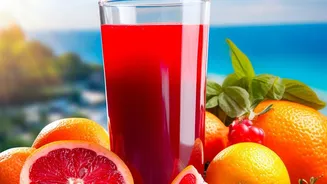
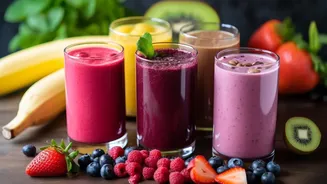
While fresh juice does contain vitamins and minerals, the process of juicing can lead to a loss of certain nutrients. Many beneficial compounds, including antioxidants and flavonoids, are found in the skin and pulp that get discarded. For example, a significant portion of the flavonoids in an orange is stored in the pulp, not the juice. Additionally, exposure to light and air during juicing can degrade sensitive nutrients like vitamin C over time. For maximum nutritional benefit, juice should be consumed immediately after it's made. Blending fruits into a smoothie is a better alternative, as it retains the fibre-filled pulp and skin, keeping more of the whole fruit's goodness intact.
Calories and Weight Management
It’s easy to consume more fruit in juice form than you would by eating it whole. Think about it: you might squeeze three or four oranges to make one glass of juice, but you probably wouldn't eat four oranges in one sitting. This means a glass of juice often contains significantly more calories and sugar than a single piece of fruit. A medium orange has about 65 calories, while a cup of orange juice contains around 112. Because juice is less filling than whole fruit, it is easier to consume excess calories without feeling satisfied, which can contribute to weight gain over time. Research has shown that eating whole apples before a meal reduces overall calorie intake more effectively than drinking apple juice.
The Verdict: Whole Fruit First
For daily nutrition, the consensus among health experts is clear: whole fruit is the superior choice. It provides a complete package of fibre, nutrients, and natural sugars that work together to support good health, regulate blood sugar, and manage appetite. This doesn’t mean you have to give up juice entirely. A small glass of 100% fresh fruit juice can be a convenient way to get a quick dose of vitamins, especially for those who don't enjoy eating whole fruits. However, it's best viewed as an occasional treat rather than a daily substitute for whole fruit. If you do drink juice, keep the portion size small (around 150ml per day is often recommended) and opt for freshly made versions to maximize nutrient intake.