







From Kitchen Scraps to Culinary Gold
The concept is simple yet revolutionary: instead of discarding the parts of vegetables that are typically seen as inedible, chefs are simmering them down to create complex, flavourful broths. This practice, often called 'upcycling', is at the heart of the zero-waste
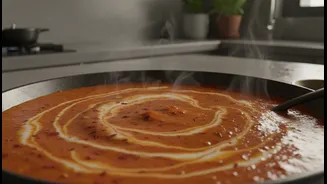
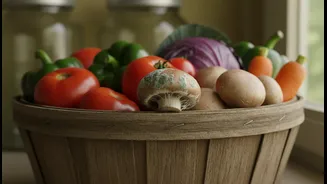
cooking movement that is steadily gaining momentum in professional kitchens. It represents a fundamental shift in perspective, where items like onion skins, carrot peels, mushroom stems, and herb stalks are viewed not as trash, but as valuable flavour-packed resources. Cafés and restaurants are building their menus around this principle, proving that sustainability can be both responsible and delicious. The process starts with collecting clean vegetable scraps, often stored in freezers until a sufficient quantity is gathered. These are then simmered with water and aromatics to extract every last bit of flavour, resulting in a unique house-made stock.
The Art of Extracting Flavour
Creating a truly 'rich' soup base from scraps is more than just boiling vegetables. It’s a culinary technique that requires an understanding of flavour chemistry. Chefs often start by roasting the vegetable scraps until they are caramelised, which adds a deep, toasted flavour to the final broth. The selection of scraps is also crucial. Onion peels and ends provide a savoury backbone and a beautiful golden colour. Corn cobs, stripped of their kernels, release a surprising sweetness. The tough, dark green parts of leeks, which are often thrown away, lend a mild oniony note. Celery ends and mushroom stems contribute earthy, umami undertones that give the stock its complexity. However, chefs are careful to avoid certain scraps, such as those from cruciferous vegetables like broccoli and cauliflower, which can turn the broth bitter. By simmering these carefully chosen components for an hour or more with herbs like parsley stems and bay leaves, a nuanced and robust base is created, far superior to anything from a cube or carton.
A Win for the Planet and the Palate
The benefits of this approach are twofold. From a sustainability standpoint, it directly tackles the massive issue of food waste. Globally, about a third of all food produced is wasted, and foodservice operations are significant contributors. By upcycling scraps, cafés drastically reduce their kitchen waste, lowering their environmental footprint and creating a more circular economy. This practice aligns with a growing consumer demand for businesses that operate with environmental values. But this trend isn't just about eco-consciousness; it's about flavour. A stock made from a wide variety of vegetable parts has a depth and complexity that cannot be replicated with a few whole vegetables alone. It becomes a signature ingredient, a secret weapon that enhances the taste of soups, sauces, risottos, and braises. This gives the café a unique culinary identity built on something that was once considered worthless.
Modern Trend, Traditional Roots
While this 'root-to-stalk' movement is a hot trend in modern gastronomy, it's a practice deeply ingrained in many cultures, including India. For generations, Indian kitchens have embodied a zero-waste philosophy out of necessity and respect for ingredients. Using vegetable peels to make chutneys, or stalks in stir-fries, is a familiar concept. This modern café trend, therefore, is not so much an invention as a rediscovery of traditional wisdom, now applied in a commercial setting. It merges the resourcefulness of the past with the contemporary chef's quest for flavour and sustainability. This connection makes the trend feel both innovative and deeply resonant, reminding us that the principles of not wasting food are timeless and universal.