



Choose Your Vertical System
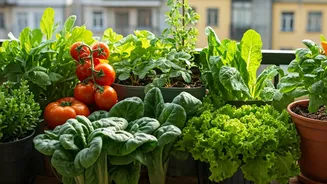
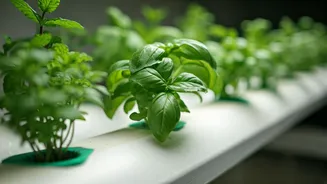
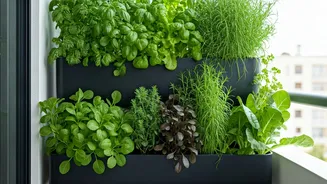
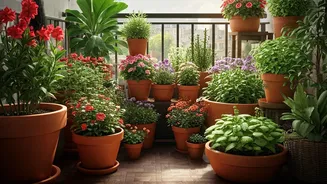
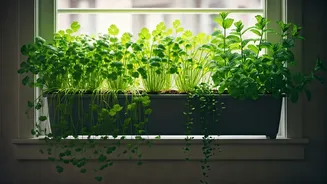
Vertical gardening is all about making the most of upward space. For a window, you have several simple and effective options. Tiered stackable planters are a popular choice, allowing you to grow multiple plants in a single column that can sit on a windowsill.
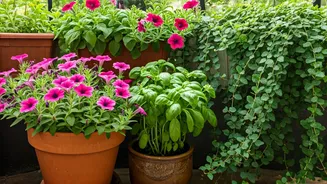
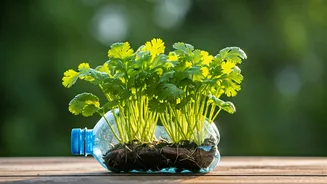
Another great method is using hanging pots or wall-mounted planters that can be attached to the wall or frame around your window. You can even create a DIY system using recycled materials like tin cans or mason jars fastened to a board or hung from a tension rod. The key is to choose a system that fits your window's size and light exposure while allowing each plant enough room.
The Right Light and Location
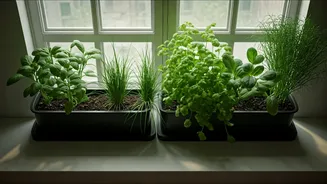
Both coriander (dhania) and mint (pudina) need a good amount of light to flourish. Aim for a window that receives at least four to six hours of sunlight per day. In India, an east-facing window that gets the gentle morning sun is often ideal. A south-facing window can also work well. Coriander can be sensitive to intense afternoon heat, which may cause it to 'bolt' (flower prematurely), so some protection from harsh sun is beneficial. Mint is more tolerant of partial shade but will grow bushier and more fragrant with adequate light. Rotate your pots every few days to ensure all sides of the plants get even light, preventing them from becoming lopsided as they lean towards the sun.
Soil, Pots, and Planting
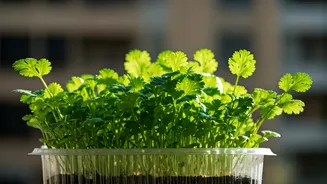
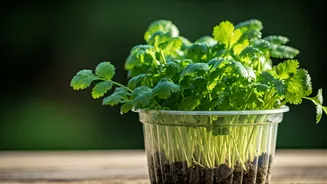
The foundation of a healthy herb garden is the right soil and container. Ensure any pot you use has drainage holes at the bottom to prevent water from logging, which can lead to root rot. For coriander, choose a pot that is at least 8 to 10 inches deep to accommodate its root system. Mint is a vigorous spreader, so giving it its own pot is wise to prevent it from taking over. Use a well-draining, nutrient-rich potting mix. A combination of garden soil, compost, and cocopeat or sand works well to keep the soil light and fertile. To plant coriander, you can use seeds from your kitchen; gently split the whole seeds into two halves for quicker germination. Mint is easiest to grow from a cutting from an existing plant, which can be rooted in a glass of water before planting.
Watering and Feeding Essentials
Proper watering is crucial. Both herbs prefer consistently moist soil, but not soggy conditions. A good rule of thumb is to water when the top inch of soil feels dry to the touch. Overwatering is a common mistake and can be more harmful than underwatering. Mint can tolerate slightly wetter conditions than coriander. Because nutrients in pots are limited, you’ll need to feed your plants occasionally. Apply a balanced liquid fertiliser, like a compost tea or a diluted organic solution, every four to six weeks during the growing season to replenish the soil and support lush growth.
Harvesting for Abundant Growth
Regular harvesting is the secret to a productive herb garden. It encourages the plants to become bushier and produce more leaves. For both mint and coriander, avoid plucking individual leaves. Instead, use scissors to snip off the top portions of the stems. When harvesting mint, cut the stem just above a pair of leaves; this will prompt the plant to send out two new shoots from that point, making it fuller. For coriander, you can regularly harvest the outer, larger leaves first, allowing the inner leaves to continue growing. Regular trimming also helps prolong the life of your coriander plant by delaying flowering. This 'cut-and-come-again' method ensures you have a continuous supply for your culinary needs.
Troubleshooting Common Problems
Even with the best care, you might encounter a few issues. One of the biggest challenges with coriander is 'bolting', where the plant flowers and goes to seed too quickly, especially in hot weather. To prevent this, keep the soil consistently moist and protect the plant from intense afternoon sun. Yellowing leaves can signal a nutrient deficiency or overwatering. If your mint stems become long and 'leggy' with few leaves, it's likely a sign of insufficient light. Move it to a sunnier spot and trim it back to encourage bushier growth. Pests like aphids can sometimes appear; inspect your plants regularly, especially under the leaves, and wash them off with a gentle spray of water if you spot any.