





The Problem with the Modern Plate
For many years, the Indian diet, particularly in urban areas, shifted towards convenience. Polished white rice and refined wheat flour (maida) became staples, replacing a diverse range of traditional grains. [4, 8] This shift, part of the Green Revolution's
push for high-yield crops, had its benefits but also an unintended consequence: a significant drop in dietary fibre. [3] This decline has been linked to a rise in lifestyle diseases, such as diabetes, obesity, and digestive issues, which are increasingly prevalent across India. [4, 11, 13] The modern plate, while often full, was lacking the robust, gut-friendly foundation of its ancestors. [19]
A Return to Ancestral Wisdom
Today, a growing number of Indians are looking back to move forward. This 'rediscovery' is not just a trend but a return to nutritional roots, happening in home kitchens, high-end restaurants, and even through government initiatives. [2, 3, 9] The United Nations, prompted by India, even declared 2023 the "International Year of Millets" to raise awareness about these hardy, nutritious grains. [3, 12] What was once dismissed as "poor man's food" is now being celebrated as a superfood, recognized for its power to nourish and heal. [4, 12, 21]
The Mighty Millet Movement
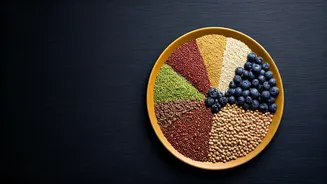
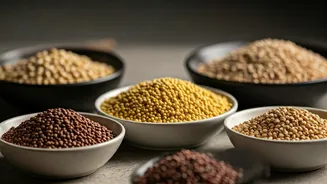
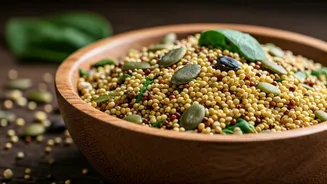
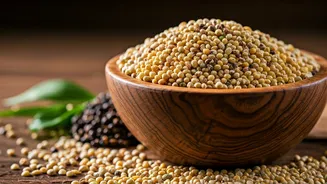
At the forefront of this fibre revival are millets. This is not a single grain but a family of small-seeded grasses, including well-known varieties like jowar (sorghum), bajra (pearl millet), and ragi (finger millet). [3, 4] For centuries, they were staples across India, especially in arid regions, thanks to their resilience and low water requirements. [3, 5, 20] Millets are nutritional powerhouses; they are naturally gluten-free, rich in protein, and packed with minerals like iron and calcium. [4, 10] Crucially, their high fibre content aids digestion, helps manage blood sugar levels by slowing glucose release, and promotes a feeling of fullness, which can help with weight management. [6, 10, 11, 20]
Beyond Millets: A Full-Spectrum Revival
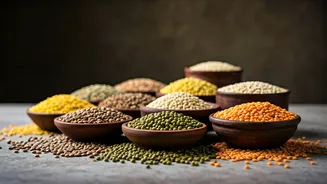
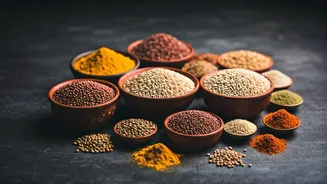
The fibre comeback extends beyond millets. Traditional Indian cuisine is inherently rich in fibre from a variety of sources. [14, 16] Legumes and pulses, the heart of countless dals and curries like rajma and chana, are excellent sources of both protein and fibre. [15, 22, 24] There is also a renewed appreciation for unpolished brown and red rice varieties, which retain their nutrient-dense bran layer unlike their polished white counterparts. [15, 24] Vegetables like spinach, okra (bhindi), and bottle gourd (lauki), along with fruits such as guava, are also being recognized for their significant fibre contributions to a balanced meal. [15, 16, 23]
From Kitchens to Cafes: Making Fibre Delicious
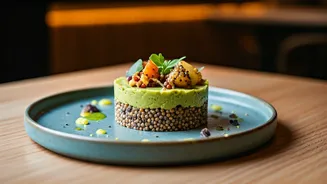
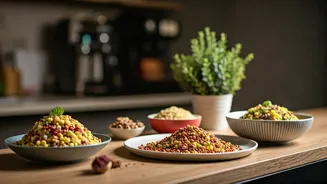
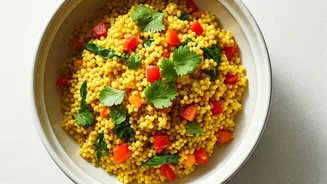
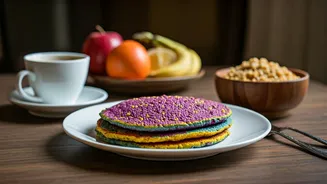
This health-conscious shift doesn't mean sacrificing taste. Chefs and home cooks are getting creative, proving that fibre-rich food can be exciting. Ragi is being used in everything from dosas and pancakes to healthy halwa. [2] Jowar and bajra are moving beyond traditional rotis to feature in upma, khichdi, and even noodles and pizza bases. [2, 5] Craft breweries are even producing millet-based beers. [12] By integrating these ancient grains into modern formats, a new generation is discovering that eating healthy doesn't mean eating boring; it can be a delicious exploration of India's diverse culinary heritage. [9]