

What Are Compression Cubes?
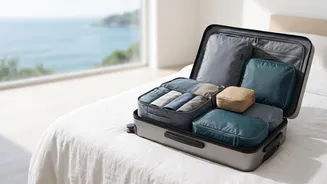
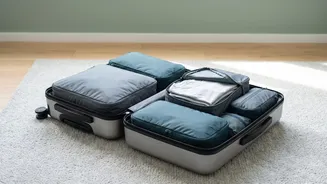
At first glance, compression cubes look like standard packing cubes: small, zippered fabric containers that keep your luggage organised. However, they have a secret weapon: a second, outer zipper. After you fill the cube, this compression zip squeezes
the contents, pushing out excess air and reducing the overall volume. While they don't magically shrink your clothes, they can decrease the space soft, bulky items take up by 20 to 45 percent. This makes them fundamentally different from regular packing cubes, which primarily focus on organisation rather than space reduction. The main goal of compression is to turn puffy piles of clothing into dense, manageable blocks that fit together more efficiently in your suitcase.
The Best Way to Pack a Compression Cube
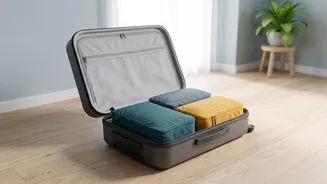
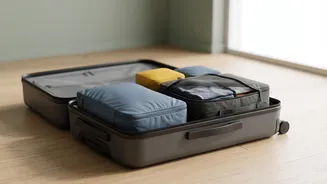
To get the most out of your cubes, technique matters. The rolling method is widely recommended for most clothing. Tightly rolling items like t-shirts, casual dresses, and knitwear helps minimise sharp creases and allows you to fit more into the cube before zipping. For bulkier pieces like sweaters or jackets, neat folding might work better. Once packed, zip the main compartment closed. Then, slowly and carefully close the second compression zipper. A pro tip is to use a finger to guide the fabric away from the zipper track to prevent snagging. Finally, when arranging the compressed cubes in your carry-on, play a game of Tetris: place the heaviest and largest cubes at the bottom, near the wheels, to keep your suitcase stable and prevent it from tipping over.
What to Pack (and What to Skip)
Compression cubes work best on soft, bulky items that have a lot of air to squeeze out. Think sweaters, fleece jackets, hoodies, athletic wear, and pyjamas. They are also excellent for organising smaller items like socks and underwear into a single, compact block. However, they are less effective for stiff fabrics like denim, which don't have much air to compress. You should also be cautious with delicate fabrics like silk or structured garments like blazers and formal shirts. The intense compression can lead to significant wrinkling in these materials. For business attire or easily creased items, traditional packing cubes or simply folding them flat are safer options.
The Downsides: Wrinkles and Weight
While compression cubes are fantastic space-savers, they aren't without drawbacks. The most common complaint is wrinkling. By squeezing clothes tightly, you can introduce creases, especially if the cube is overstuffed. To combat this, roll clothes smoothly and avoid overpacking any single cube. You can also place more wrinkle-prone items in the middle of the cube, cushioned by other clothes. The other key factor is weight. Compression cubes reduce volume, not mass. It can be easy to get carried away and pack so much that your carry-on exceeds the airline's weight limit. Always weigh your bag after packing to avoid costly surprises at the airport. A set of cubes also adds a few hundred grams to your luggage, which is worth considering if you're already near the limit.
A Hybrid Approach for Ultimate Organisation
For the ultimate packing strategy, many seasoned travellers use a combination of compression cubes and regular packing cubes. Use compression cubes for your bulky casual wear, like jumpers and t-shirts, to maximise space. Reserve regular packing cubes for delicate items and formal wear that you need to keep as wrinkle-free as possible. This hybrid method gives you the best of both worlds: the space-saving benefits of compression and the organisational neatness of standard cubes, ensuring everything in your carry-on has a designated, easy-to-find spot.