



The aromatic charm of fresh thyme is a delight for any home cook. But this hardy Mediterranean herb has one non-negotiable rule for indoor growing: it despises wet feet. Understanding this single principle is the key to a thriving plant.
Why Drainage Is Everything
Thyme is native
to the sunny, rocky hillsides of the Mediterranean, where soil is gritty and water drains away almost instantly. Its roots are adapted to these dry spells, making them extremely susceptible to root rot when left in soggy conditions. Overwatering is the most common reason indoor thyme plants fail. When the soil stays constantly wet, it suffocates the roots, preventing them from absorbing oxygen and nutrients. This leads to yellowing leaves, mushy stems at the base, and eventually, the collapse of the plant. A plant suffering from root rot can ironically look thirsty and wilted, even when the soil is damp, because its damaged roots can no longer transport water effectively.
Choosing the Perfect Pot
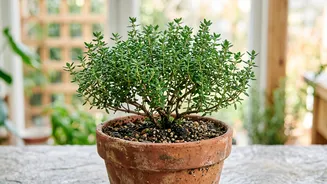
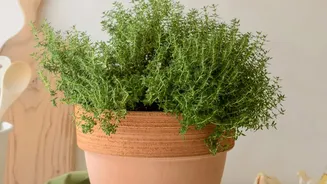
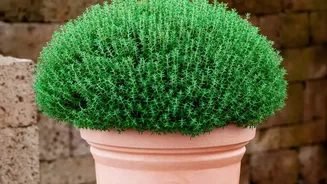
The right container is your first line of defense against waterlogged soil. Always choose a pot with at least one large drainage hole at the bottom. This is non-negotiable. Terracotta or clay pots are often recommended for thyme because the porous material helps wick moisture away from the soil, allowing it to dry out more evenly and quickly. While plastic or ceramic pots will work, you'll need to be more vigilant about your watering habits. In terms of size, thyme has a relatively shallow root system that spreads sideways, so a pot that is wider than it is deep is often a good choice. A container around 6 to 8 inches in diameter provides ample room for a single plant to get started.
Crafting the Ideal Soil Mix
Standard potting soil is often too dense and retains too much moisture for thyme. To create an environment your plant will love, you need to create a lean, gritty, and fast-draining mix. An excellent formula is to combine standard potting mix with a generous amount of sand, perlite, or fine horticultural grit. Aim for a blend where at least a quarter of the volume is a drainage-improving material. You can often find pre-made 'cactus' or 'succulent' mixes that work well, as they are formulated for plants that require sharp drainage. The goal is to create a soil texture that crumbles easily and doesn't compact when wet.
The Art of Watering Thyme
Forget a fixed schedule; the best way to know when to water thyme is to check the soil. Allow the soil to dry out almost completely between waterings. A reliable method is to insert your finger into the soil; if the top inch or two feels dry, it's time to water. Another easy trick is to gauge the weight of the pot—it will feel noticeably lighter when the soil is dry. When you do water, do so thoroughly until water runs freely from the drainage hole. This ensures the entire root system gets a drink. Then, be sure to discard any excess water from the saucer. Let the pot drain completely before putting it back, as leaving it sitting in water defeats the purpose of well-draining soil. Watering can be as infrequent as every 10 to 15 days, depending on your home's humidity and light conditions.
Sunlight and Other Essentials
Beyond soil and water, thyme has a few other needs. It craves sunlight, requiring at least six hours of bright, direct light per day. A south facing window is ideal. If you don't have enough natural light, your plant may become 'leggy'—with long, sparse stems—and you may need to supplement with a grow light. Good air circulation is also beneficial, as it helps the soil dry out and can prevent fungal issues. Finally, thyme doesn't require rich soil and is not a heavy feeder. Fertilize sparingly, perhaps once a month during the spring and summer growing season with a diluted liquid feed. Over fertilizing can actually lead to less flavourful leaves.