


It Starts with the Oil Bill
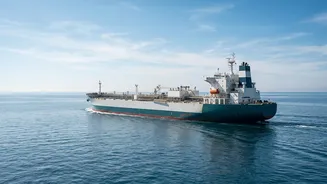
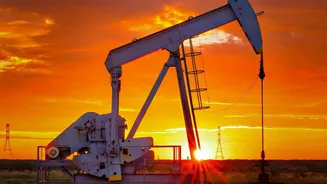
India's economy is incredibly thirsty for energy, and it imports about 85% to 90% of its crude oil to meet this demand. This makes crude oil the country's single largest import item, creating a massive bill that has to be paid in US dollars. When global
oil prices surge—due to a war, a supply cut, or increased demand—India's import bill automatically balloons. A sustained $10 increase in the price of a barrel of crude oil can significantly widen the nation's current account deficit, a key measure of its trade balance with the rest of the world.
Pressure on the Rupee
To pay this bigger oil bill, India needs to buy more US dollars. Basic economics of supply and demand kicks in: as the demand for dollars goes up, the value of the Indian rupee comes down. This is what experts mean when they talk about the rupee 'depreciating' or 'weakening' against the dollar. In 2026, for instance, the rupee has faced significant pressure, at times nearing the 97-to-a-dollar mark. This isn't just a number for financial markets; a weaker rupee sets off a new chain reaction that directly impacts household costs.
The Imported Inflation Effect
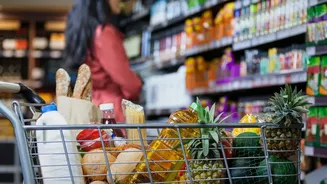
A weaker rupee makes every single imported item more expensive, not just oil. Think about edible oils. India imports nearly 60% of its domestic requirement for cooking oils like palm and sunflower oil. Even if the international price of sunflower oil remains stable, a weaker rupee means we have to pay more in our own currency to import the same amount. This phenomenon is called 'imported inflation'—where rising costs from abroad are passed directly into the domestic economy, pushing up the prices you pay for essential items at your local kirana store.
The Journey to Your Plate Gets Costlier
The impact doesn't stop with imports. Higher crude oil prices translate directly to higher prices for petrol and, more critically for the supply chain, diesel. Diesel powers the trucks that transport everything from farm produce like onions and tomatoes to packaged goods across the country. With diesel accounting for up to 65% of a truck's operating cost, transporters have no choice but to pass on the added expense. In May 2026, transport associations formally introduced a fuel-linked surcharge, meaning freight rates now rise automatically with diesel prices. This increased transport cost gets added at every stage, making the final product on the grocery shelf more expensive.
More Than Just Oil
While oil is a major driver, other global events can create similar shocks. International conflicts, like the one in West Asia, can disrupt the supply of not just oil but other critical commodities like fertilizers. Since Indian agriculture depends on imported fertilizers, any disruption or price spike increases the input costs for farmers. These higher farming costs eventually lead to higher food prices for consumers. Similarly, global supply chain bottlenecks or extreme weather events in other countries can create shortages and price volatility that ripple all the way to India's markets.