




Why Yoga Is a Teen's Best Friend During Exams
Between long hours of studying, peer pressure, and the demands of a packed schedule, it’s no wonder teens experience high levels of stress. Chronic stress can negatively impact everything from concentration and memory to sleep quality and mood. Yoga provides
a powerful toolkit for managing these challenges. Regular practice helps calm the nervous system, reduce levels of the stress hormone cortisol, and improve emotional regulation. Studies show that students who practice yoga often report lower exam anxiety, enhanced focus, and better academic performance. It's not about achieving a perfect pose; it’s about taking a few moments to breathe, move, and reconnect with yourself, which builds resilience and mental clarity.
Cat-Cow Stretch (Marjaryasana-Bitilasana)
This gentle, flowing movement is perfect for waking up the spine after hours spent hunched over a desk. It helps relieve tension in the back, neck, and shoulders while connecting movement to breath, which has a naturally calming effect. How to do it: Start on your hands and knees with your wrists directly under your shoulders and knees under your hips. As you inhale, drop your belly, lift your chest and tailbone, and look forward (Cow Pose). As you exhale, round your spine toward the ceiling, tuck your chin to your chest, and press into your hands (Cat Pose). Continue flowing between the two poses for 5-10 slow breaths.
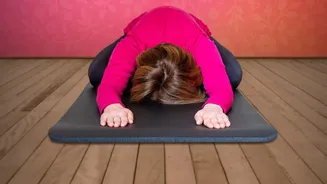
Child's Pose (Balasana)
Consider this your personal reset button. Child’s Pose is a deeply relaxing posture that quiets the mind and gently stretches the back, hips, and ankles. It’s an excellent pose to turn to when feeling overwhelmed or mentally fatigued. How to do it: From your hands and knees, sit back on your heels. Fold your torso forward, resting your forehead on the floor. Your arms can be stretched out in front of you or resting alongside your body with palms facing up. Focus on taking deep, slow breaths into your back, holding for as long as feels comfortable.
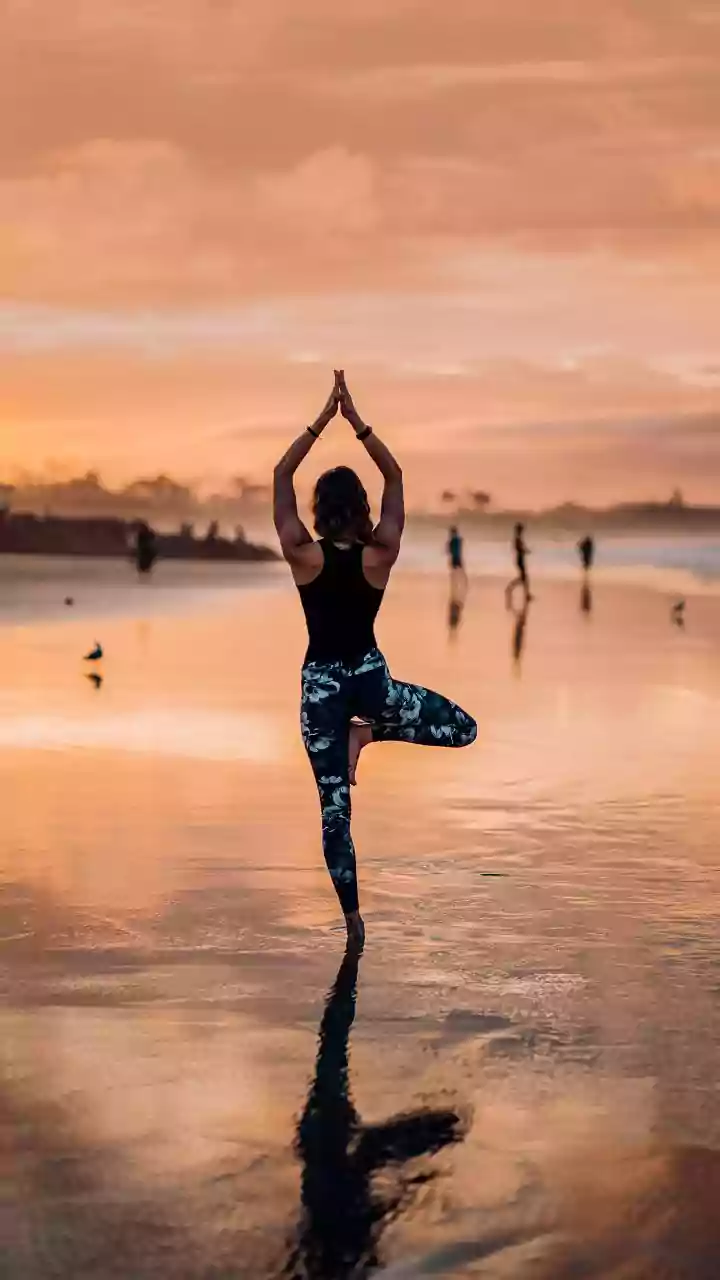
Tree Pose (Vrikshasana)
Exams don't just test your knowledge; they test your focus. Tree Pose is a fantastic balancing posture that enhances concentration and stability. It challenges you to find a single point of focus (known as a drishti) to stay steady, a skill that translates directly to maintaining concentration during study sessions. How to do it: Stand tall and shift your weight onto one foot. Place the sole of your other foot on your ankle, calf, or inner thigh, avoiding the knee joint. Bring your hands together at your chest. Wobbling is completely normal; it’s part of the practice! Hold for 3-5 breaths, then switch sides.
Seated Forward Bend (Paschimottanasana)
Sitting for long periods can lead to tight hamstrings and a sore lower back. This pose provides a deep stretch for the entire back of the body and is known to calm the brain and relieve stress and anxiety. By increasing blood flow to the brain, it can also help improve mental clarity. How to do it: Sit on the floor with your legs extended straight in front of you. Inhale to lengthen your spine, and as you exhale, begin to fold forward from your hips. Don't worry about touching your toes; the goal is to maintain a long spine and feel a comfortable stretch. Hold onto your shins, ankles, or feet, and breathe for 30-60 seconds.
Bridge Pose (Setu Bandhasana)
This pose is a gentle backbend that helps to open up the chest and shoulders, countering the slouched posture that often comes from studying. It's considered an energizing pose that can relieve stress and mild depression, making it a great option for a quick study break to reset your energy levels and mood. How to do it: Lie on your back with your knees bent and feet flat on the floor, hip-width apart. Your arms should be alongside your body with palms down. Press into your feet and lift your hips off the floor. You can clasp your hands together underneath your back for a deeper stretch. Hold for a few breaths, then slowly lower down.