





The Science Behind the Warning
The core of the issue lies in how your body processes medication. Many drugs taken orally are broken down in the small intestine and liver by a crucial enzyme called CYP3A4. This enzyme acts like a gatekeeper, controlling how much of the drug enters your bloodstream.
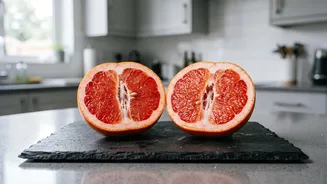
Certain citrus fruits, most notably grapefruit, contain natural compounds called furanocoumarins. These compounds block the action of CYP3A4. When this enzyme is inhibited, far more of the medication can pass into your bloodstream than intended. This effectively turns a standard dose into a high-strength one, significantly increasing the risk of side effects and even toxicity.
More Than Just Grapefruit
While grapefruit is the most famous offender, it’s not alone. Other citrus fruits that can cause similar interactions include Seville oranges (often used in marmalade), pomelos, and tangelos (a cross between a grapefruit and a tangerine). Limes may also pose a risk. Interestingly, common sweet oranges, like navel or Valencia varieties, do not seem to cause this specific enzyme-blocking interaction. However, some studies show that orange and apple juice can have an opposite effect on certain drugs by blocking transporters that help the medication get absorbed, making the drug less effective. Fexofenadine (Allegra), an allergy medication, is a key example of a drug that shouldn't be taken with apple, orange, or grapefruit juice for this reason.
A Long-Lasting Effect
A common misconception is that you can avoid the interaction by simply separating your medication and juice by a few hours. This is incorrect. The furanocoumarins in grapefruit cause what is known as 'irreversible inhibition', meaning they permanently deactivate the CYP3A4 enzymes in your gut. Your body must produce entirely new enzymes to restore normal function, a process that can take up to three days. This means that even a single glass of grapefruit juice (around 200 ml) can affect how you process certain medications for up to 72 hours.
Which Medications Are at Risk?
The list of drugs that interact with grapefruit is extensive and growing, with more than 85 medications identified. It's crucial to check with a professional, but some of the most common categories include: certain statins for lowering cholesterol (like simvastatin and atorvastatin), some blood pressure medications (like nifedipine), anti-anxiety drugs (like buspirone and diazepam), immunosuppressants for organ transplant recipients, and some antihistamines and erectile dysfunction drugs. The consequences can be serious. For example, when cholesterol-lowering statins build up in the blood, it can lead to muscle breakdown (rhabdomyolysis) and potentially kidney failure.
The Safest Way to Take Your Pills
The advice from health authorities like the U.S. Food and Drug Administration (FDA) is clear and simple: take your medications with a glass of plain water. Water does not interfere with absorption or metabolism, ensuring you get the intended and safe dose of your medicine. Some medication labels now carry specific warnings about grapefruit juice. However, because fruit extracts can be hidden in other beverages, it's always best to be cautious. The safest approach is to make water your default choice for swallowing pills.