


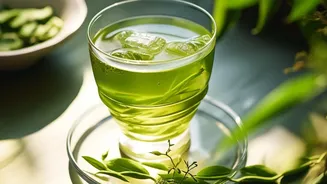
The Green Wave on Urban Menus
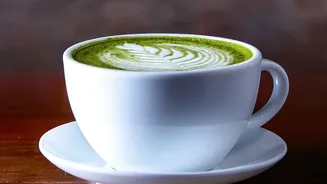
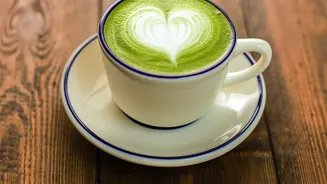
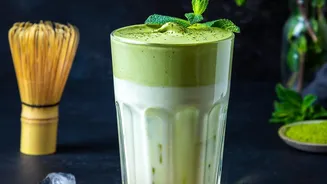
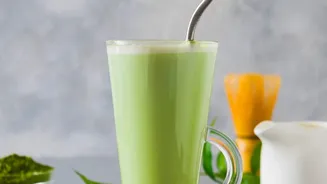
Walk into a speciality coffee shop in Mumbai, Bengaluru, or Delhi, and you’re likely to see the striking green hue of a matcha latte. What was once a niche item, popular mostly with wellness influencers, has become a mainstream fixture. Major chains like Starbucks,
Blue Tokai, and Third Wave Coffee have all embraced matcha, signalling a significant shift in urban taste. This isn't just about a new flavour; it's a response to a growing consumer base, particularly millennials and Gen Z, who are seeking beverages that blend novelty, wellness, and global trends. The Indian matcha market is growing at a remarkable pace, projected to expand at a CAGR of over 8-9% annually, making it one of the fastest-growing beverage categories in the country.
What Exactly Is Matcha?
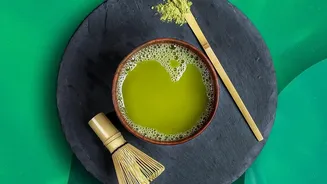
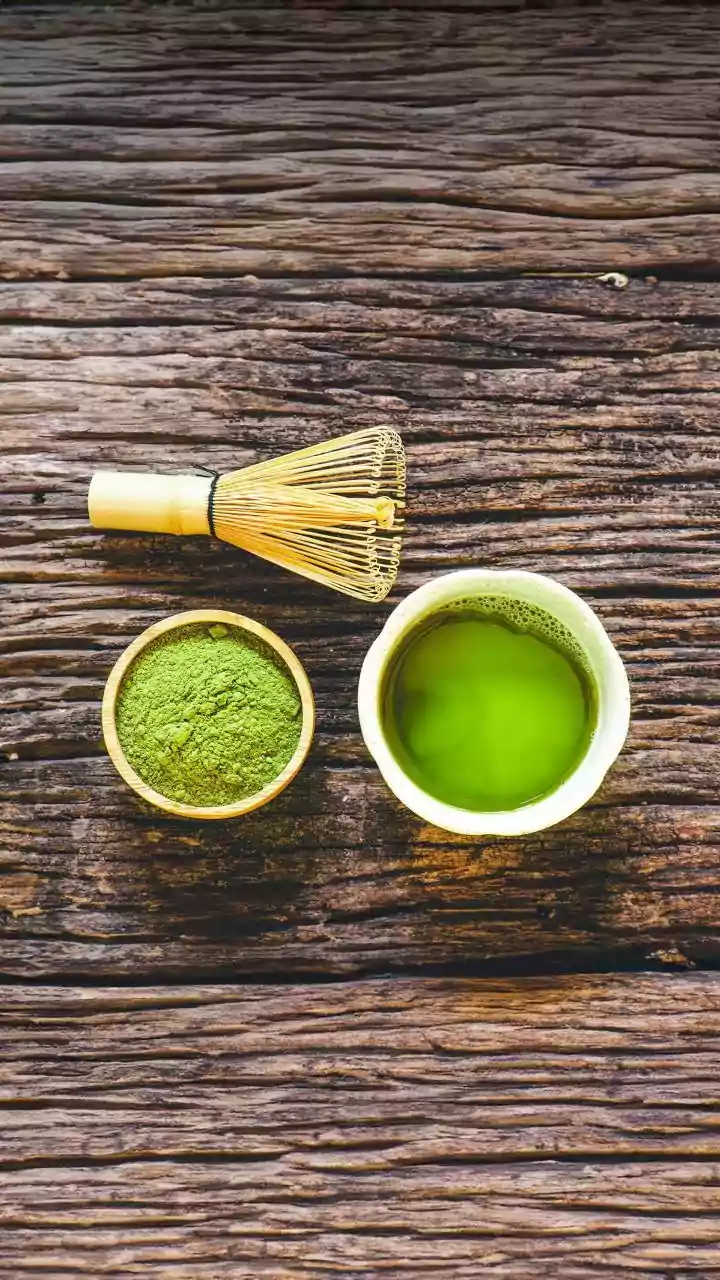
Unlike regular green tea where you steep the leaves and discard them, matcha is a fine powder made from grinding whole, specially grown tea leaves. The tea plants are shade-grown for several weeks before harvest. This unique process boosts their chlorophyll content, giving matcha its brilliant green colour, and increases the concentration of certain beneficial compounds. When you drink a matcha latte, you are consuming the entire leaf, which is why it packs a more potent punch of flavour and nutrients than its steeped counterparts. This also accounts for its signature taste profile—a complex blend of grassy, umami, and slightly sweet notes that is distinct from any other tea.
The Caffeine Question: A Different Kind of Buzz
Here lies the biggest difference for many who make the switch. A typical serving of coffee delivers a quick, sharp spike of energy due to its higher caffeine content, which can range from 95 to 200 mg per cup. A matcha latte usually contains less caffeine, typically between 30 and 70 mg. However, matcha's magic lies in an amino acid called L-theanine. This compound works synergistically with caffeine, promoting a state of “calm alertness.” It slows the body's absorption of caffeine, resulting in a more sustained, gentle energy lift without the notorious jitters or subsequent crash associated with coffee. Many describe the feeling as focused and clear-headed rather than hyper-energised.
A Tale of Two Health Profiles
Both coffee and matcha boast impressive health credentials, but they shine in different areas. Coffee is rich in chlorogenic acids, a type of antioxidant linked to reduced risk of cardiovascular disease and type 2 diabetes. Matcha, on the other hand, is celebrated for its high concentration of catechins, particularly one called EGCG (epigallocatechin gallate). These powerful antioxidants are known for fighting free radicals in the body. Thanks to the whole-leaf consumption, matcha delivers significantly more antioxidants than even standard brewed green tea. The presence of L-theanine also adds stress-reducing properties, as it can help promote relaxation without causing drowsiness.
An Acquired Taste vs. A Familiar Friend
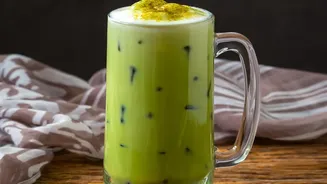
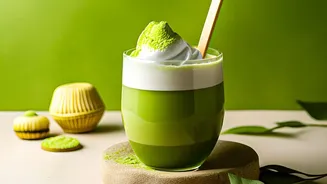
For generations of drinkers, the roasted, bitter, and aromatic notes of coffee are the very definition of a morning ritual. It’s a familiar, comforting flavour. Matcha, with its vegetal, umami, and sometimes marine-like taste, can be more of an acquired taste for the uninitiated. Its flavour profile is more delicate and earthy. Yet, its versatility is a major draw. Cafés are experimenting with vanilla, strawberry, and even mango matcha lattes, appealing to a desire for customisation and new flavour experiences. While iced coffee remains a classic, the novelty and unique flavour of matcha offer a compelling alternative for those looking to expand their palate.