







The Science of Comfort
There's a reason we turn to soups and broths when we’re under the weather or just need a pick-me-up. Warm liquids are inherently soothing. They help with hydration, can ease a sore throat, and require minimal effort from our digestive system. This is particularly
important for gut health. When your digestive tract is stressed or sensitive, easily digestible foods reduce its workload, allowing it to rest and repair. A brothy bowl is essentially a pre-digested meal; the nutrients are suspended in liquid, making them more readily available for your body to absorb without the hard work of breaking down complex, heavy solids. This simple act of providing warmth and easy nutrition is the foundation of their gut-friendly power.
What Makes It 'Gut-Friendly'?
The term 'gut-friendly' isn't just a buzzword. It refers to foods that support a healthy digestive environment. Brothy bowls excel here for several reasons. First, the base itself—a well-made bone broth or a slow-simmered vegetable stock—is packed with goodness. Bone broth, for instance, is a source of collagen and gelatin, which contain amino acids like glycine that are thought to support the integrity of the intestinal lining. Vegetable broths, rich in minerals, offer gentle hydration. Second, the typical ingredients are chosen for their digestibility. Think soft-cooked vegetables, shredded meats, or tofu, all of which are gentler on the stomach than their raw or fried counterparts. Finally, many brothy bowls incorporate ingredients with known anti-inflammatory and digestive-supporting properties, such as ginger, turmeric, and garlic, making each bowl a holistic dose of goodness.
Building Your Broth Base
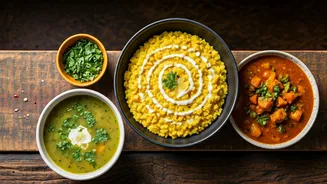
The soul of your bowl is the broth. You can make a large batch and freeze it in portions for quick meals. A simple chicken or mutton bone broth, simmered for hours with aromatics like onion, carrot, and celery, is a classic choice. For a vegetarian option, a hearty vegetable stock made from mushroom stems, carrot peels, onion ends, and herbs is incredibly flavourful. Don't underestimate the power of Indian classics either. A simple, clear `rasam` or `shorba` can serve as an excellent, spice-infused base for a brothy bowl. The key is a long, slow simmer to extract as much flavour and nutritional value as possible.
Adding Protein and Substance
To turn your broth into a satisfying meal, you need protein. The trick is to choose options that are cooked until tender and are easy to digest. Leftover shredded chicken from a roast, pulled mutton, or a soft-boiled egg with a jammy yolk are all excellent choices. For plant-based bowls, consider silky tofu cubes that absorb the flavour of the broth, or pre-cooked lentils and chickpeas. These additions not only make the meal more filling but also add essential nutrients without weighing you down or causing digestive distress.
Vibrant Veggies and Toppings
Vegetables add colour, texture, and a wealth of vitamins. However, for a truly gut-friendly bowl, it’s best to stick to well-cooked vegetables. Sautéed mushrooms, steamed carrots, wilted spinach, and tender bok choy are fantastic. They release their nutrients and are much easier to break down than raw salad greens. To finish, a flourish of fresh toppings can elevate your bowl. A sprinkle of chopped coriander or spring onions, a dash of toasted sesame oil, or a squeeze of lime can add brightness and a final layer of flavour, making your healthy meal feel like a gourmet experience.