



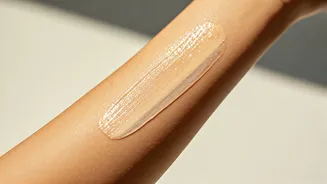




You’re Not Using Nearly Enough
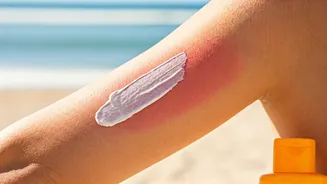
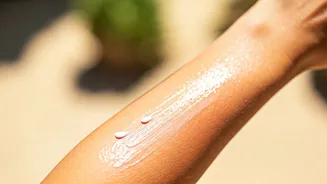
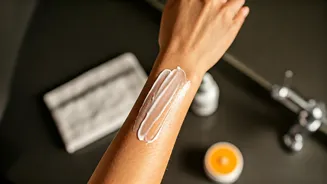
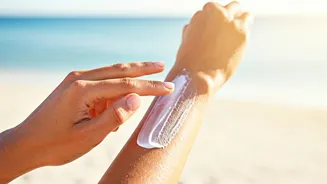
One of the most common mistakes is under-applying sunscreen. To get the full Sun Protection Factor (SPF) listed on the bottle, you need to be generous. Most people only apply 25-50% of the recommended amount, which means an SPF 50 might only be giving
you the protection of an SPF 20. For full body coverage, dermatologists recommend about one ounce of sunscreen, which is roughly the amount needed to fill a shot glass. For your face and neck alone, you should use about half a teaspoon, or the length of two fingers. Applying a thin layer simply won't provide an adequate barrier against harmful UV rays.
You’re Forgetting To Reapply
Sunscreen is not a one-and-done application. Its effectiveness breaks down over time, especially when exposed to sun, sweat, and water. A survey by the American Academy of Dermatology found that while many people know they should reapply, only about a third actually do it every two hours. The standard rule is to reapply your sunscreen at least every two hours when outdoors. This window shortens significantly if you are swimming or sweating heavily; in those cases, you should reapply immediately after towel drying or every 40 to 80 minutes, depending on your sunscreen's water resistance rating.
You’re Only Applying on Sunny Days
A major misconception is that sunscreen is only necessary for bright, sunny beach days. The reality is that UV rays are a year-round threat. Up to 80% of the sun's harmful UV rays can penetrate through clouds, meaning you're still at risk on overcast days. Furthermore, UVA rays, which are responsible for premature aging, can pass through glass windows, exposing your skin while you're driving or sitting indoors near a window. To protect your skin from this cumulative damage, it's essential to make sunscreen application a daily habit, regardless of the weather or your plans.
You’re Missing Critical Spots
It's easy to focus on the face and arms and miss other areas that are just as exposed and vulnerable. Dermatologists frequently see sun damage and skin cancers in commonly missed spots. These include the tops of the ears, the back of the neck, the scalp (especially along hair parts), the eyelids, lips, and the tops of the feet. These areas receive significant sun exposure and are often neglected. To ensure complete protection, make a conscious effort to cover these high-risk zones. Use a lip balm with SPF, wear a hat for scalp protection, and be thorough during your application process.
You're Using an Expired Bottle
That bottle of sunscreen from a few summers ago might not be your friend. The U.S. Food and Drug Administration (FDA) requires sunscreens to maintain their original strength for at least three years. However, the active ingredients that protect you from the sun break down over time, rendering expired sunscreen less effective or even useless. Heat exposure, like leaving a bottle in a hot car, can also degrade the ingredients faster. If your sunscreen is past its expiration date, or if you notice a change in its color, smell, or consistency, it's time to throw it out and get a new one.
You're Relying on Makeup with SPF
While foundation or moisturiser with built-in SPF seems like a convenient shortcut, it's often not enough for adequate protection. To achieve the SPF level stated on the makeup product, you would need to apply a much thicker layer than most people typically use. Think of the SPF in your makeup as an extra bonus layer, not your primary defence. For reliable protection, it is best to apply a dedicated broad-spectrum sunscreen with an SPF of 30 or higher underneath your makeup. Allow it to absorb for a few minutes before applying your cosmetics.