




Jamun: The Monsoon Gem
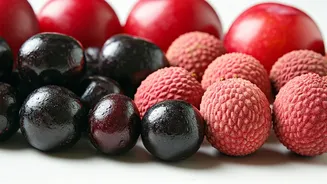
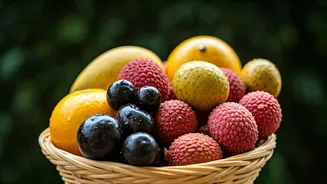
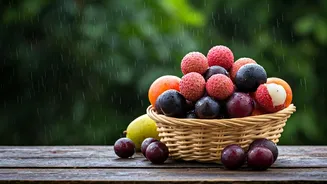
The quintessential monsoon fruit, Jamun, also known as Indian blackberry or Java plum, is a true seasonal star available from June to July. Its deep, inky purple colour and unique sweet-tart flavour evoke a sense of nostalgia for many. Beyond its addictive
taste that stains your tongue a happy purple, Jamun is a powerhouse of nutrients. It is rich in iron, antioxidants, and Vitamin C, which can help boost immunity during a season when infections are common. It's particularly noted for its properties that help in managing blood sugar levels, making it a great choice for many. When shopping, look for Jamuns that are a deep purple or almost black, as this indicates ripeness and sweetness. They should have smooth, glossy skin and feel firm with a slight give when pressed. Avoid fruits that are wrinkled, mushy, or have any cuts. A fresh batch will have a mild, fruity aroma; if they smell sour or fermented, it's best to steer clear. Due to their delicate nature, they should be stored properly and consumed quickly.
Lychee: A Fleeting Sweet Treat
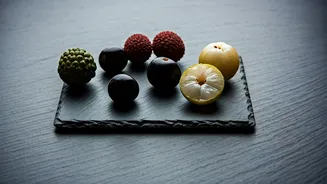
The arrival of lychees in the market is a short but glorious affair, usually spanning from May to July. These translucent, fragrant globes are a favorite for their burst of floral sweetness and refreshing juice. Originally from Southeast Asia, this fruit is now a beloved monsoon treat in many parts of India, particularly from regions like Bihar and West Bengal. To pick the best ones, choose fruits with bright pink or red skin. A ripe lychee will feel firm but yield slightly to gentle pressure. If it’s too soft or mushy, it’s likely overripe. Weight is another good indicator; heavier fruits are generally juicier. Don't be put off if the skin browns a little after you buy them; while the look changes, the eating quality is often not affected if consumed soon. Packed with Vitamin C, lychees are a great snack for boosting your energy and immunity.
Plums: The Perfect Balance
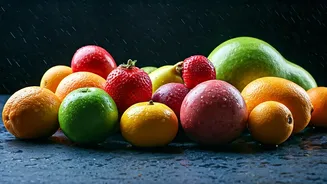
Plums, or 'Aloo Bukhara', are another delightful offering of the monsoon season. Available in a spectrum of colours from deep purple to blushing red, they offer a perfect balance of sweet and tart flavours. They are impressively nutritious, containing over 15 different vitamins and minerals, along with fiber and antioxidants. Plums are rich in plant compounds called polyphenols, which have anti-inflammatory properties and may help reduce the risk of heart disease and diabetes. They are considered a low-glycemic fruit, meaning they don't cause sharp spikes in blood sugar, which is beneficial for everyone and particularly for those managing diabetes. The high fiber content also aids digestion. When buying plums, look for fruit that is plump with smooth skin and yields to gentle pressure. They are versatile and can be enjoyed fresh, stewed, or added to desserts and salads for a tangy kick.
Peaches & Cherries: The Hillside Harvest
Both peaches and cherries have a relatively brief season that often aligns with the early monsoon, arriving from the cooler hill regions. Peaches are beloved for their fuzzy skin, fragrant aroma, and succulent, sweet flesh. They are a good source of antioxidants and can help support skin health and digestion. Cherries, with their sweet and sour flavour profile, are packed with antioxidants and are known to help enhance sleep quality. When selecting peaches, look for a vibrant colour and a fragrant smell. They should give slightly when pressed. Cherries should be plump, firm, and have a deep, rich colour. These fruits are a wonderful, healthy indulgence that signals the peak of the season's offerings. They can be eaten fresh as a snack or used in a variety of culinary creations, from pies and tarts to sauces and salads.
Pomegranate: The Year-Round Star
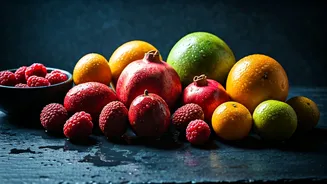
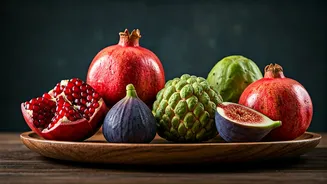
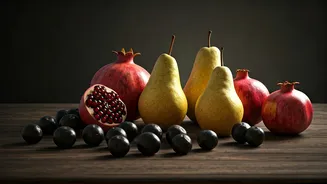
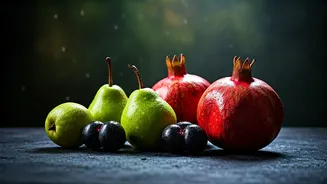
While pomegranates (Anar) are available for much of the year, their quality is often considered to be at its best during the monsoon season. These ruby-red jewels, packed with juice, offer a delightful combination of sweet and tart flavours. They are celebrated for their powerful antioxidant properties and are a rich source of vitamins, helping to boost immunity and overall health. Choosing a good pomegranate can feel like a lottery, but there are some tricks. Opt for a fruit that feels heavy for its size, as this indicates it's full of juice. The skin should be firm, taut, and deeply coloured, though the exact shade can vary. A ripe pomegranate often has a slightly squared or angular shape, as the expanding seeds press against the outer wall. Avoid any with soft spots or cracks.