



Why Summer Workouts Cause Cramps
That sudden, sharp, and involuntary muscle clench mid-exercise is something many of us know too well, especially during warmer months. These are often called heat cramps, a type of exercise-associated muscle cramp. While the exact cause is still debated,
science points strongly towards two culprits: dehydration and electrolyte loss. When you exercise in the heat, you sweat more. That sweat isn't just water; it’s packed with essential minerals called electrolytes, including sodium, potassium, calcium, and magnesium. These minerals carry electrical signals that are vital for muscle function, telling them when to contract and relax. When you lose too many electrolytes without replacing them, this delicate communication system gets disrupted, which can lead to those painful, performance-halting cramps.
Coconut Water: The Potassium Powerhouse
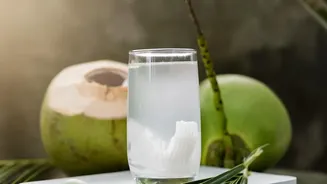
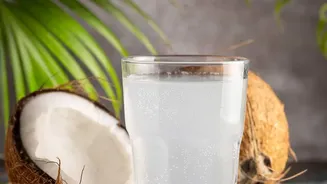
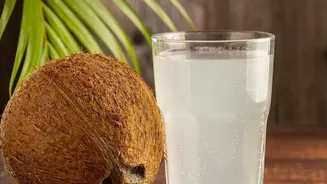
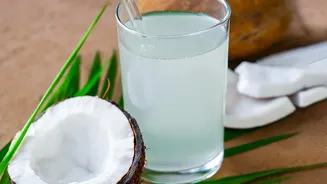
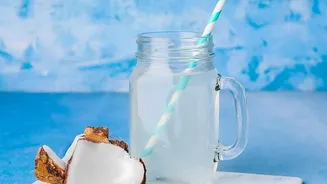
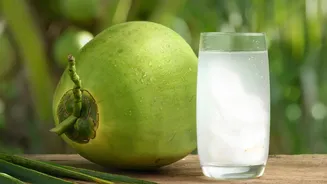
This is where coconut water enters the picture. Often marketed as nature's sports drink, unflavored coconut water is celebrated for its high potassium content. Potassium is a crucial player in muscle health, specifically helping muscles to relax after a contraction. When you're sweating, you lose potassium, and if your levels drop too low, your muscles can struggle to return to a resting state, leading to tightness and cramping. Because it’s a natural source of electrolytes and fluids, many athletes turn to coconut water to rehydrate and replenish their potassium stores. Some studies suggest it can be as effective as a commercial sports drink for hydration during certain types of exercise, offering a natural alternative for those looking to avoid added sugars and artificial ingredients.
The Missing Ingredient: Why You Need Salt
While coconut water is rich in potassium, it is naturally low in another critical electrolyte: sodium. Sodium is the primary electrolyte you lose through sweat, and it plays the opposite, yet equally important, role to potassium. It helps trigger the nerve signals that tell your muscles to contract in the first place and is essential for maintaining fluid balance in the body. If you only replenish potassium without also replacing the sodium you’ve lost, you risk creating an electrolyte imbalance. Drinking large amounts of plain water or a low-sodium drink after intense sweating can dilute the sodium in your body, a situation that may also contribute to cramping. Adding a pinch of salt (sodium chloride) to your hydration strategy addresses this gap, which is key for anyone engaging in long or intense workouts in the heat.
The Science of the Combination
The magic of this hack lies in the partnership between sodium and potassium. These two electrolytes work as a team to regulate nerve signals and muscle function through a mechanism known as the sodium-potassium pump. This system ensures that your muscles can contract and relax efficiently. By adding a small amount of salt to potassium-rich coconut water, you are creating a more comprehensive electrolyte drink that more closely mimics what your body loses in sweat. This combination helps maintain the proper balance needed for optimal muscle performance, potentially reducing your risk of developing cramps during a strenuous session. It’s a simple, effective way to support your body's needs without relying on manufactured sports drinks.
How to Make Your Own Pre-Workout Elixir
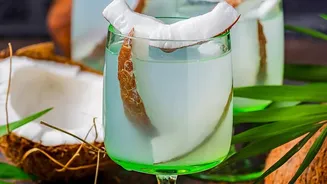
Creating this pre-workout drink is incredibly simple. You don’t need precise measurements, just a thoughtful approach. About 30 to 60 minutes before a workout where you expect to sweat heavily, pour yourself a glass of pure, unsweetened coconut water (around 250-350 ml). Add a small pinch of high-quality salt, like sea salt or pink Himalayan salt, and stir until it dissolves. A 'pinch' should be just that—not a quarter or half teaspoon. The goal is to supplement, not to make the drink taste overtly salty. This will provide your body with a proactive dose of fluids and key electrolytes to help you stay ahead of depletion and keep your muscles firing correctly.
Is This Hack Right for Everyone?
This pre-workout strategy is most beneficial for individuals who engage in prolonged or high-intensity exercise, especially in hot and humid conditions where sweat loss is significant. Endurance athletes, like runners and cyclists, or anyone doing an intense outdoor workout can find it particularly helpful. However, it's not a one-size-fits-all solution. If you have been advised by a doctor to follow a low-sodium diet due to conditions like high blood pressure or kidney issues, you should not add extra salt to your diet without medical consultation. Most people already consume sufficient sodium through their regular diet, so this hack is specifically for replacing what's lost during heavy exercise, not for everyday hydration.