


As temperatures drop, our bodies crave warmth and nourishment. Embracing seasonal foods is a natural way to support your health through winter, offering the right nutrients to boost immunity, improve digestion, and maintain energy levels.
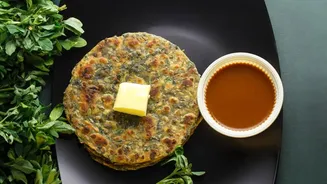
Methi (Fenugreek Leaves)
A staple in Indian
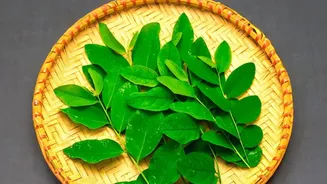
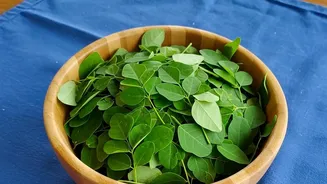
winters, Methi, or fenugreek leaves, is more than just a flavourful addition to parathas and dals. These vibrant green leaves are packed with nutrients that are particularly beneficial during the cold season. Rich in fibre, they aid digestion and can help in weight management by promoting a feeling of fullness. Methi is also a good source of antioxidants and vitamins like A and C, which are crucial for a strong immune system to fend off common winter ailments like colds. Traditionally, it's valued for its ability to help regulate blood sugar levels and for its anti-inflammatory properties, making it a valuable addition to your winter diet.
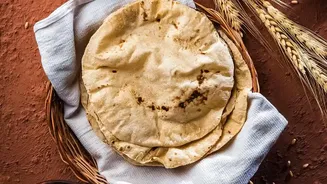
Bajra (Pearl Millet)
This robust and earthy millet is a winter classic for good reason. Bajra is considered a 'warming' food, meaning it naturally helps to generate heat and keep the body warm. It is a complex carbohydrate, providing a slow and steady release of energy that combats the lethargy often felt on cold days. Packed with iron, magnesium, and phosphorus, bajra supports everything from bone health to blood circulation. Its high fibre content aids digestion, which can become sluggish in winter, and helps promote satiety to prevent overeating. Being naturally gluten-free, bajra rotis are an excellent and nutritious alternative to wheat for many people.
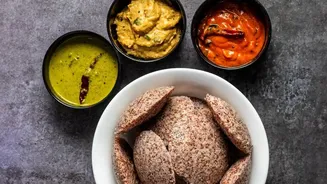
Ragi (Finger Millet)
Ragi is another winter powerhouse, prized for its exceptional nutritional profile. It is one of the best natural sources of calcium, making it essential for bone health, which is particularly important when joint stiffness can increase in the cold. Like bajra, ragi provides sustained energy and helps keep the body warm. It is also rich in iron, which helps combat fatigue, and dietary fibre that supports good gut health. For those managing their weight during the winter months, the amino acids in ragi can help reduce appetite. Its versatility allows it to be used in everything from rotis and dosas to warm porridge, making it an easy grain to incorporate into your daily meals.
Sarson ka Saag (Mustard Greens)
No North Indian winter menu is complete without Sarson ka Saag. Mustard greens are at their peak during winter and are nutritionally dense. They are an excellent source of vitamins A, C, and K, as well as iron and antioxidants that boost immunity and help fight off infections. According to Ayurveda, mustard greens have a warming effect on the body, stimulating digestion and improving circulation. The high fibre content supports a healthy gut, which is crucial when winter diets tend to be heavier. Traditionally slow-cooked with ghee, ginger, and garlic, it's not just a dish but a wholesome, nourishing meal.
Sweet Potato (Shakarkandi)
This naturally sweet root vegetable is a comforting and highly nutritious winter favourite. Sweet potatoes are an incredible source of beta‐carotene, an antioxidant that the body converts to vitamin A. This vitamin is vital for a strong immune system, healthy skin, and good vision. They are also rich in vitamin C and dietary fibre. The complex carbohydrates in sweet potatoes provide sustained energy without causing sharp spikes in blood sugar. Whether roasted, boiled, or added to stews, their inherent warmth and dense nutrients make them an ideal food to keep you energised and healthy during the colder months.
Gond (Edible Gum)
Gond, or edible gum, is a traditional winter ingredient renowned for its ability to generate heat in the body. It's famously used to make 'Gond ke Ladoo', a winter sweet that is both delicious and functional. Gond is believed to be highly effective for lubricating joints and providing strength, making it beneficial for postpartum recovery and for elders experiencing joint stiffness in the cold. It acts as an energy booster and is known to support the immune system against winter illnesses. Its ability to aid digestion, which can slow down in winter, makes it a valuable part of traditional seasonal eating practices.