



The Perfect Weather Window
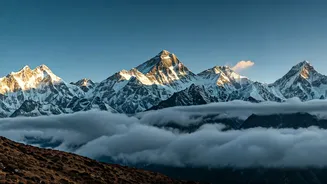
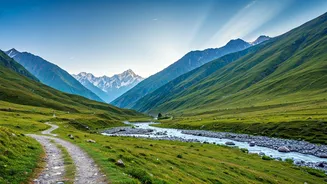
Timing is everything, and the current season offers a ‘Goldilocks’ window for mountain travel. We are in a sweet spot between the harshness of winter and the heavy monsoon rains, a period that typically runs from April to June. This means clearer skies,
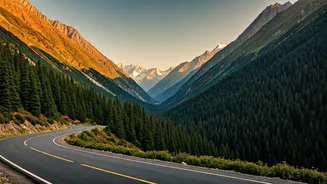
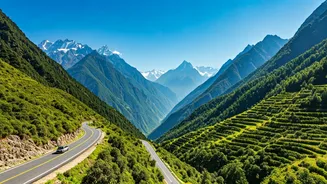
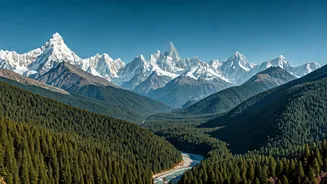
mild temperatures, and stunning visibility of the majestic peaks. Many of the high-altitude passes and roads, like the famed Manali-Leh highway, have recently opened after winter closures, granting access to remote and dramatic landscapes in places like Ladakh and Spiti Valley. This is the season when the mountains are most accessible, offering pleasant daytime temperatures perfect for exploration, whether you are trekking, sightseeing, or simply relaxing.
A Greener, More Vibrant Canvas
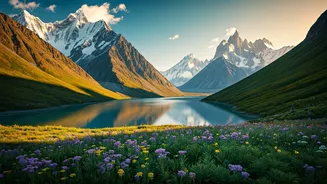
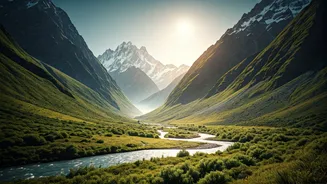
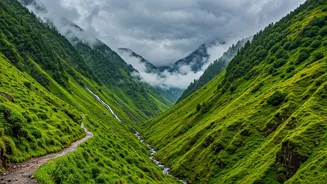
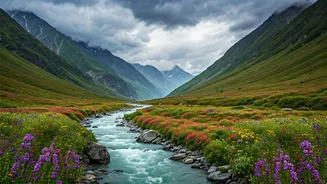
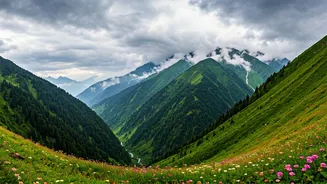
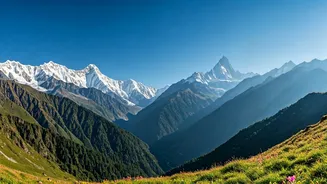
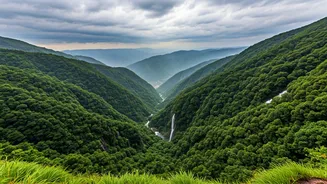
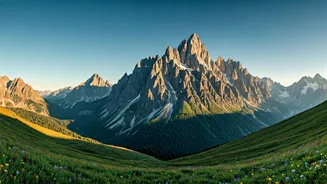
The landscape is currently bursting with life. The post-winter snowmelt and pre-monsoon showers have transformed the valleys and meadows into a vibrant tapestry of green. In many regions, alpine meadows are dotted with wildflowers, creating a surreal backdrop against the snow-capped peaks. Destinations like the Kullu Valley are brilliantly green, and Kashmir is in full bloom. This lushness makes it an ideal time for photography and nature walks, as waterfalls and rivers, fed by the melting snow, run fast and full. It's a visual spectacle that feels richer and more alive than at other times of the year.
Beyond the Crowded Hotspots
While classic destinations like Shimla and Manali remain popular, there is a growing trend towards exploring offbeat locations that offer tranquility and a more intimate connection with nature. Places like Tirthan Valley in Himachal Pradesh provide a serene escape with its crystal-clear river and cedar forests, far from noisy traffic jams. Other hidden gems gaining popularity include Chopta in Uttarakhand, known as the “Mini Switzerland of India,” and the peaceful village of Kalpa in Himachal with its breathtaking views of the Kinnaur Kailash range. These destinations allow for a slower pace of travel, focusing on experiences like riverside camping, village walks, and simply soaking in the quiet mountain atmosphere.
A Shift Towards Sustainable Stays
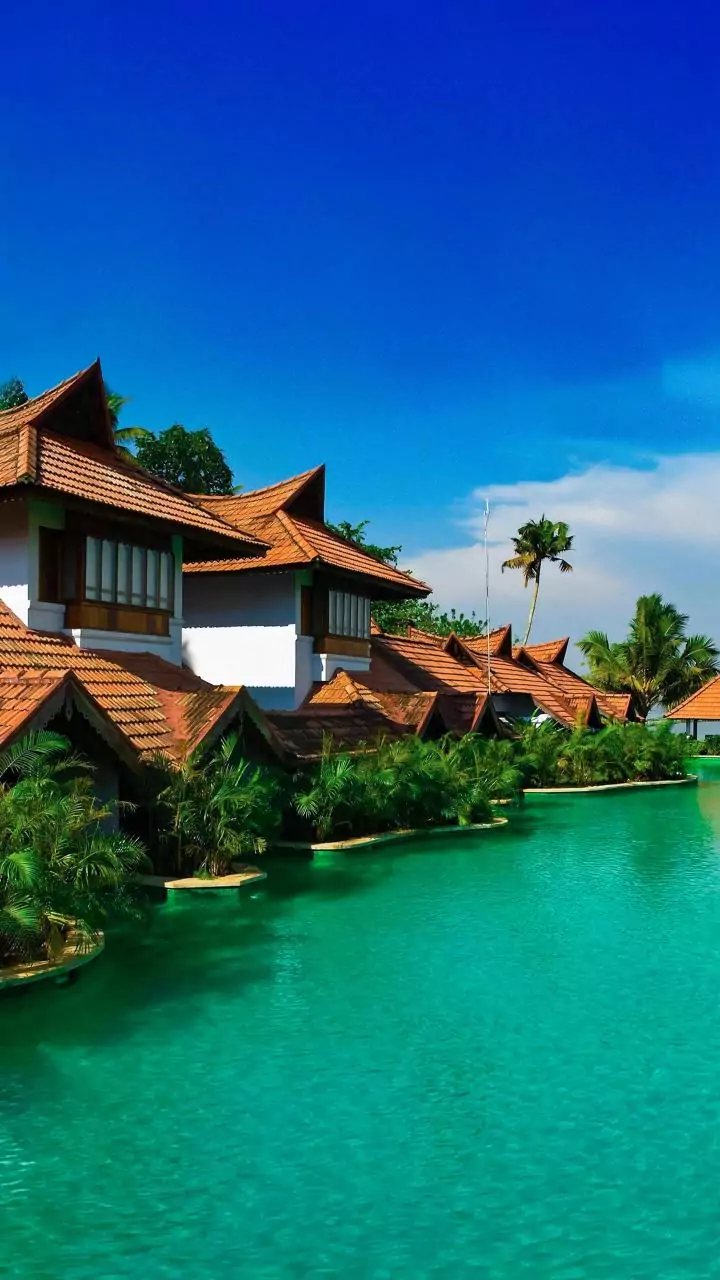
The way people travel in the Himalayas is evolving. There's a noticeable shift away from jam-packed itineraries toward slower, more meaningful journeys. This has been complemented by a rise in sustainable and eco-conscious tourism. In its 2026 budget, the Indian government announced plans to develop ecologically sustainable mountain trails in states like Himachal Pradesh and Uttarakhand to promote responsible tourism. Across the region, there's a growing availability of homestays, eco-lodges, and village tourism initiatives that allow travelers to experience local culture while minimizing their environmental impact. This focus on sustainability means visitors can enjoy the pristine beauty of the mountains while helping to preserve it for the future.
Adventure is Back and Better
For adrenaline seekers, the mountains are buzzing with activity. The favourable weather makes it a peak season for adventure sports. Trekking routes are in prime condition, from classic hikes like the Har Ki Dun to more challenging expeditions like the Roopkund trek. The opening of high-altitude passes has once again made epic road trips, like the Manali-Leh safari, possible. Beyond trekking and road trips, paragliding in Solang Valley and river rafting on the Beas River are extremely popular during this period, offering a thrilling way to experience the grand Himalayan landscape.