


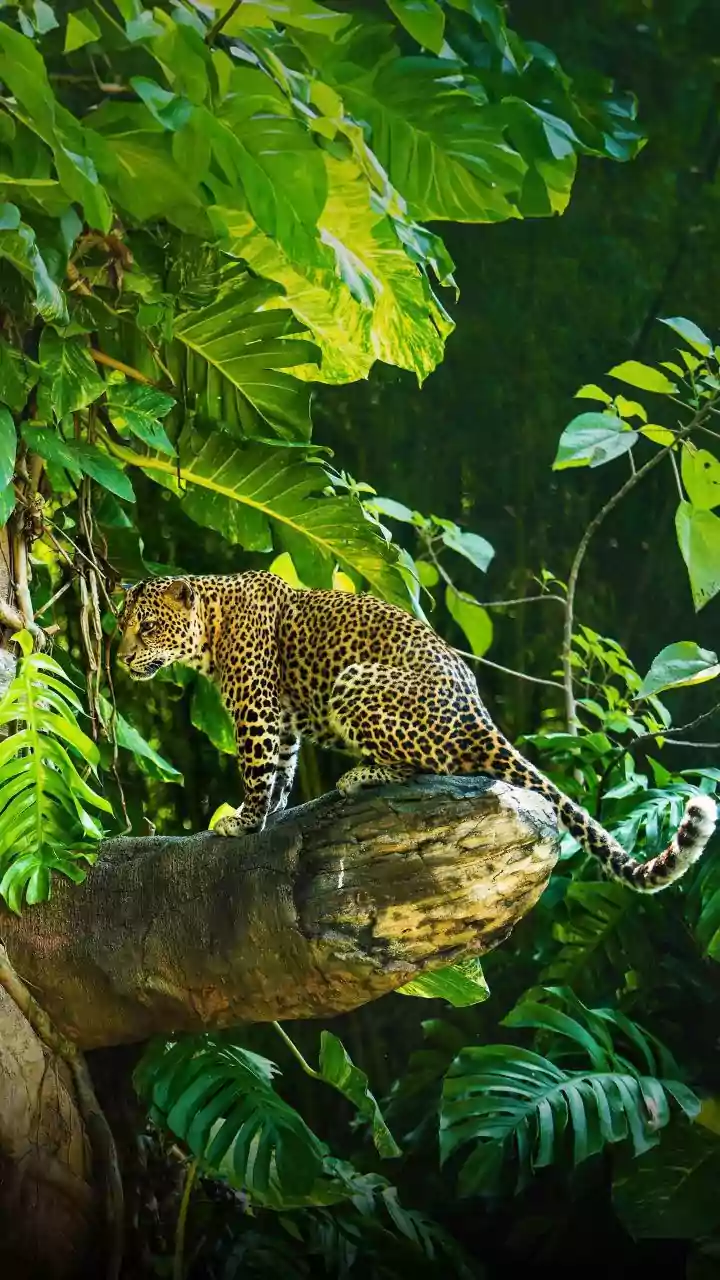





Why Move a Tiger at All?
Tiger translocation isn't undertaken lightly. It's a critical management tool for several reasons. Firstly, some of India's tiger reserves have become victims of their own success, with thriving populations leading to overcrowding. This can cause intense
territorial disputes, forcing younger or weaker tigers to the fringes of the forest and into closer contact with human settlements. Relocation helps mitigate this human-animal conflict. Secondly, it serves to repopulate areas where tigers have become locally extinct. Reserves like Sariska and Panna, which had lost all their tigers to poaching, now have breeding populations thanks to successful reintroduction programmes. Finally, moving tigers between isolated reserves helps improve the genetic diversity of the overall population, safeguarding it against the risks of inbreeding. These operations are guided by the National Tiger Conservation Authority (NTCA) to ensure ecological balance.
The Journey: A High-Stakes Operation
The process of moving a tiger is a masterclass in precision and planning, involving veterinarians, scientists, and forest officials. It begins with identifying a suitable candidate—a young, healthy tiger that can adapt and breed. The capture itself is a delicate process, usually involving tranquilliser darts. Once sedated, the team works quickly. The tiger undergoes a health check, and a satellite or VHF radio collar is fitted. This collar is the most critical tool for post-release monitoring. The journey to the new home is made in a specially designed cage that allows for ventilation and minimal stress. The entire operation is a race against time to ensure the animal's well-being. The selection of the new habitat is equally scientific, requiring a suitable prey base, adequate water sources, and enough space to establish a territory without immediate conflict with other predators.
The First Weeks: A New and Dangerous World
Upon arrival, the tiger is not immediately released into the wild. Instead, most undergo a 'soft release'. The tiger is housed in a large, secured enclosure called a boma for several weeks. This period allows the animal to acclimatise to the new environment—its sounds, smells, and climate—without the immediate danger of navigating an unknown territory or confronting resident tigers. It helps overcome the powerful 'homing instinct' that might otherwise cause the tiger to try and return to its original home. This phase is crucial for resetting the tiger's internal map and anchoring it to the new location. Forest officials provide food and water, closely observing the animal's behaviour for signs of stress or readiness for a full release.
The Science of Adaptation
Once the boma gates open, the real test of adaptation begins. The Forest Department and researchers from institutions like the Wildlife Institute of India (WII) begin an intensive monitoring phase. The radio collar is their lifeline, transmitting data on the tiger's movements. Analysts track its location to see if it's establishing a defined territory, a key sign of settling in. They also monitor its hunting patterns by visiting kill sites to determine if it is successfully finding prey. Camera traps are strategically placed across the habitat to capture photographic evidence of the tiger's physical condition and behaviour. These tools help build a detailed picture of the animal's progress. Success isn't just about survival; the ultimate goal is for the relocated tiger to breed and raise cubs, establishing a new generation in its adopted home.
Measuring Success and Learning from Failure
Tiger translocation has seen remarkable successes in India. The re-population of Panna Tiger Reserve, which went from zero tigers to a thriving population, is a celebrated example. Similarly, reserves like Sariska and Rajaji have also benefited from translocation programmes. However, the process is fraught with challenges and not all attempts succeed. Sometimes, a tiger fails to adapt, wanders into human-dominated areas, or falls victim to territorial fights with resident tigers. The first inter-state translocation to Satkosia in Odisha faced setbacks due to a lack of sufficient prey and local community resistance. Each operation, whether a success or a failure, provides invaluable lessons that inform future conservation strategies, reinforcing the need for meticulous scientific planning and community involvement.