





Start with the Right Space
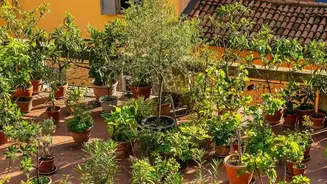
Before you buy a single seed, look at your home to find the perfect spot. Most vegetables and flowering plants need at least five to six hours of sunlight to thrive. Observe your balcony, terrace, or windowsill throughout the day to see where the sun falls.
A south-facing spot will get strong, all-day sun, while an east-facing one gets gentler morning light. Also, choose a location near a water source to make your daily watering routine easier. Don't feel you need a large backyard; a few containers on a small balcony are perfect for starting out and building confidence.
Good Soil is Your Foundation
Healthy plants start with healthy soil. Using soil directly from the ground is a common mistake, as it becomes hard and compact in pots, suffocating roots. Instead, create or buy a potting mix. A great, all-purpose mix for beginners in India combines garden soil, cocopeat, and compost. A common ratio is 40% garden soil, 30% cocopeat (which helps retain moisture), and 30% compost or vermicompost (which provides nutrients). This blend ensures good drainage, keeps the soil light, and feeds your plants. Always use pots with drainage holes at the bottom to prevent water from logging and causing root rot.
Choose Your Plants Wisely
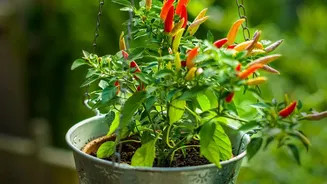
For your first gardening adventure, choose plants that are known to be resilient and forgiving in Indian climates. Starting with easy-to-grow varieties ensures a rewarding experience. For a kitchen garden, consider herbs like mint (pudina) and coriander (dhania), which grow quickly. Vegetables like tomatoes, chillies, spinach (palak), and brinjal are also excellent choices for beginners. These plants are well-suited to container gardening and can provide you with fresh produce for your kitchen. Marigolds and periwinkle (sadabahar) are hardy flowers that add colour without demanding too much care.
Master the Art of Watering
Overwatering is one of the most common mistakes new gardeners make. Instead of watering on a fixed schedule, check the soil first. The best method is the finger test: insert your finger about two inches into the soil. If it feels dry, it's time to water; if it's moist, wait another day. During hot Indian summers, container plants may need watering once a day, preferably in the early morning or late evening to reduce evaporation. In the monsoon and winter, you'll need to water much less frequently. Always water the base of the plant, allowing the water to soak deep into the roots until it starts to drain from the bottom hole.
Basic Care and Maintenance
Gardening is a journey of observation. Make it a habit to check on your plants regularly. Remove any yellowing or dead leaves to keep the plant healthy and encourage new growth. Keep an eye out for common pests. If you spot any, a simple spray of neem oil mixed with water is often an effective and organic solution. As your plants grow, they will use up the nutrients in the soil. To keep them thriving, add a handful of compost or vermicompost to the top layer of the soil every three to four weeks.