




The Golden Power of Turmeric
Turmeric, the vibrant golden spice found in every Indian pantry, has been celebrated for centuries in Ayurveda. Its power lies in its main active compound, curcumin, which is known for its potent antioxidant and anti-inflammatory properties. Inflammation
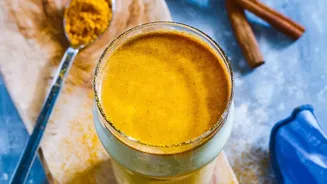
is a natural bodily process, but chronic inflammation can contribute to various health issues. Including anti-inflammatory ingredients in your diet is believed to help maintain balance. Antioxidants, like curcumin, help protect your body from damage caused by free radicals, which are unstable molecules linked to cellular stress. Traditionally, turmeric has been used to support everything from digestion to skin health. When consumed, it offers a warm, earthy flavour, forming the beautiful golden base of this wellness infusion.
Warming and Soothing Ginger
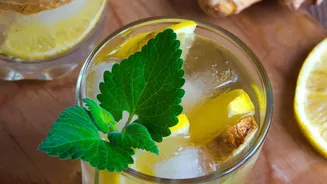
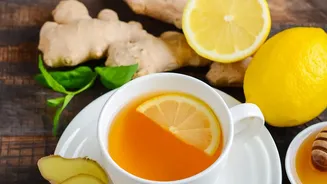
Ginger, with its zesty and pungent kick, is another cornerstone of traditional home remedies. Its primary bioactive compound is gingerol, which is responsible for many of its medicinal properties, including its anti-inflammatory and antioxidant effects. Ginger is particularly well-known for its ability to aid digestion and soothe an upset stomach. It is often used to calm nausea and can help food move more efficiently through the digestive tract. During colder months or when feeling under the weather, a cup of ginger-infused tea is a go-to remedy in many households to ease a sore throat and provide a comforting sense of warmth that spreads through the body, helping to improve circulation. Its spicy notes add a delightful complexity to this simple infusion.
Tulsi: The 'Queen of Herbs'
Tulsi, or Holy Basil, holds a sacred place in Indian culture and Ayurvedic medicine. It is revered as the 'Queen of Herbs' for its wide-ranging benefits. Tulsi is classified as an adaptogen, which means it is believed to help the body adapt to stress and promote mental balance. Regular consumption is thought to enhance the body's natural ability to cope with physical, metabolic, and psychological stressors. Rich in antioxidants, Tulsi is traditionally used to support a robust immune system and promote respiratory health. It is often recommended to help clear congestion and protect against seasonal illnesses. Its flavour is unique—slightly peppery and sweet—and it brings a calming, aromatic quality to the infusion.
How to Prepare Your Daily Infusion
Creating this nourishing drink is wonderfully simple. You can use either fresh or dried ingredients, depending on what you have available. Here is a basic recipe to get you started: Ingredients: - 2 cups of water - 1 inch of fresh ginger, grated or thinly sliced (or 1/2 teaspoon dried ginger powder) - 1 inch of fresh turmeric, grated or thinly sliced (or 1/2 teaspoon turmeric powder) - 8-10 fresh tulsi leaves (or 1 teaspoon dried tulsi) - A small pinch of black pepper - Honey or lemon to taste (optional) Instructions: 1. Bring the water to a boil in a small saucepan. 2. Add the grated ginger and turmeric to the boiling water. Reduce the heat and let it simmer for about 5-7 minutes. 3. Add the tulsi leaves and the pinch of black pepper. Simmer for another 2-3 minutes. 4. Turn off the heat, cover the saucepan, and let the infusion steep for another 5 minutes to allow the flavours to meld. 5. Strain the tea into a mug. If desired, add a squeeze of lemon or a small spoonful of honey after the tea has cooled slightly. The pinch of black pepper is a crucial addition. It contains piperine, a compound that has been shown to dramatically increase the body's absorption of curcumin from turmeric, by up to 2,000%.
Making It a Mindful Ritual
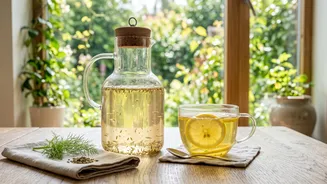
While this infusion is beneficial at any time of day, incorporating it into your routine can create a moment of mindfulness. Consider starting your morning with a warm cup to gently awaken your digestive system and set a positive tone for the day. Alternatively, an evening cup can be a soothing way to wind down, helping to calm your mind before sleep. The act of preparing the infusion—grating the fresh roots, smelling the aromatic herbs, and watching the water turn a beautiful golden hue—can be a calming ritual in itself. Rather than viewing it as just a health drink, embrace it as a moment of self-care. This simple practice connects you to the wisdom of nature and the traditions that have valued these ingredients for generations, offering a holistic approach to well-being that nourishes both body and mind.