








What Is the Zero Waste Kitchen Challenge?
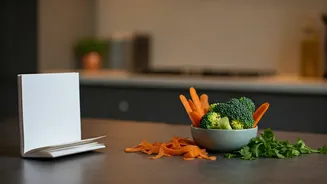
At its core, the challenge is a simple, user-driven movement to minimize food and packaging waste in the kitchen. Participants document their efforts to use every part of their ingredients, repurpose leftovers creatively, and ditch single-use plastics.
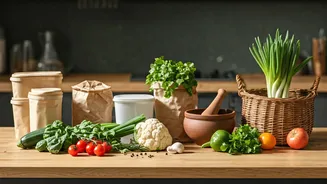
Unlike rigid, prescriptive wellness trends, this one is fluid and community-led. You won't find a single official rulebook, but rather a collection of shared principles. The goal isn’t perfection; it’s a conscious effort to adopt a more mindful, less wasteful approach to cooking and consumption, all captured in vibrant, shareable video clips and photo carousels. It’s less about a pristine, minimalist aesthetic and more about a bustling, practical kitchen where nothing is squandered.
Rooted in Generational Wisdom
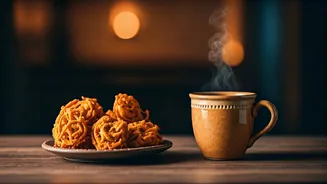
For many in the South Asian diaspora, this 'challenge' isn’t a novelty—it’s a reflection of how their parents and grandparents have always run their households. In many parts of India, Pakistan, Bangladesh, and beyond, resourcefulness wasn't a trend; it was a necessity and a virtue. The concept of using vegetable peels to make broth, turning leftover rice into crispy 'vadas' (fritters), or using the whey from homemade paneer in chapati dough is deeply ingrained in traditional Desi cooking. What social media has done is reframe this ancestral knowledge for a new generation. It’s taking the everyday practices of a grandmother in Punjab and presenting them as an aspirational, eco-conscious lifestyle choice for a young professional in Chicago or Los Angeles.
The Key 'Rules' Everyone Is Following
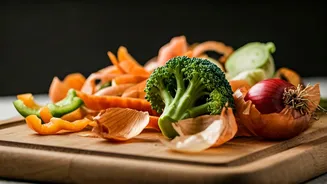
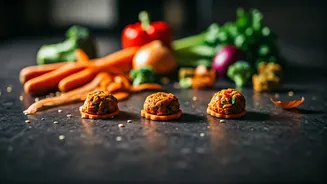
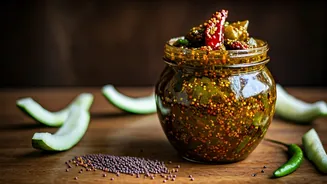
While there's no official list, a few key practices consistently appear in #ZeroWasteKitchen posts. One of the most popular is the 'root-to-stem' philosophy, where every part of a vegetable is used. Think cilantro stems blitzed into green chutney, cauliflower leaves roasted until crisp, or potato peels seasoned and air-fried into chips. Another major theme is creative leftover transformation. Day-old dal might be mixed with flour to make savory pancakes (cheela), while stale rotis are cut into strips and fried to become a crunchy snack. There's also a strong push against plastic, with creators showcasing their collections of stainless steel 'dabbas' (tiffin boxes) and glass jars for storing spices and grains, a direct nod to the classic Indian pantry.
Why It's Resonating Right Now
The trend’s viral success is a perfect storm of contemporary values. First, there's the growing global consciousness around sustainability and climate change; a zero-waste kitchen feels like a tangible, empowering way to make a difference. Second, rising inflation has made saving money on groceries more important than ever, and using every last scrap is a powerful budget hack. But perhaps the most potent element is the search for cultural connection. For many second- and third-generation members of the diaspora, embracing these 'old-school' methods is a way to connect with their heritage on their own terms. It’s a delicious, practical, and photogenic way to honor the past while building a more sustainable future.