





An Evolution Beyond Irani Chai
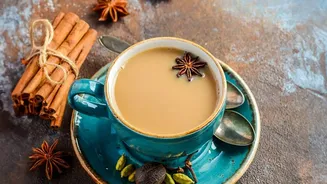
For decades, Hyderabad's tea culture has been synonymous with the iconic Irani chai, a rich, creamy concoction often paired with Osmania biscuits. This tradition, a cherished part of the city's heritage, is the backdrop against which a new trend is emerging.
While the classic chai served in historic cafes like Nimrah and Niloufer remains an institution, a parallel movement is gaining momentum. Modern cafes are looking inward, exploring the rich agricultural bounty of the Deccan plateau to create innovative tea-based beverages that tell a different kind of story—one of seasonality, sustainability, and regional pride.
A Taste of the Deccan
This new chapter in Hyderabad's tea story is being written with a palette of distinctly local ingredients. Imagine a highball cocktail getting its tangy kick from gongura (sorrel leaves), a flavour deeply rooted in Telugu cuisine. New restaurants and beverage programs are looking to their immediate surroundings for inspiration. Recent menus feature ingredients like Guntur chilli, moringa (drumstick leaves), and nannari (sarsaparilla), traditionally used in home cooking and remedies, now finding their way into sophisticated tea infusions and coolers. Seasonal fruits like jamun and sitaphal (custard apple) are also making guest appearances, offering a fleeting, hyper-local taste that changes with the calendar.
The Philosophy of Farm-to-Teacup
This shift is driven by more than just a quest for new flavours. It reflects a deeper connection to the land and a growing desire for authenticity. By championing local produce, cafes and restaurants are not only creating unique drinks but also supporting regional farmers and celebrating culinary traditions. This move towards hyperlocal sourcing is part of a larger trend in Hyderabad's dining scene, which has seen a renewed focus on deeply researched regional Andhra and Telangana cuisine. The new tea menus are a natural extension of this philosophy, applying the same principles of fresh, local, and seasonal to the humble cup of tea. This approach resonates with a new generation of consumers who are increasingly curious about the origins of their food and drinks.
Where to Find the New Brews
This trend is blossoming in the city's newer, experience-driven cafes, particularly in areas like Jubilee Hills, Banjara Hills, and the rapidly growing Financial District. While some establishments are creating tea-infused cocktails, others are focusing on non-alcoholic options that highlight the pure flavours of the ingredients. You might find a soothing Allam Bellam (dry ginger and jaggery) tea, a refreshing nannari-based cooler, or a healing blend of ginger, turmeric, and pepper. These offerings stand in delightful contrast to the traditional masala chai, showcasing the versatility of tea as a canvas for both comforting and adventurous flavours. Even restaurants not solely focused on tea are incorporating these elements into their beverage programs, signalling a city-wide embrace of its own backyard.