




The Ultimate Dress Rehearsal
Before Indian astronauts, or 'Gaganyatris', can launch into orbit, the Indian Space Research Organisation (ISRO) must ensure every system is flawless. That's the purpose of the upcoming uncrewed missions, starting with the G1 flight targeted for late
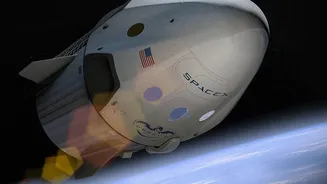
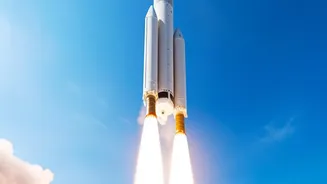
2026. These flights will use the exact same hardware intended for the final human mission, from the powerful Human-Rated LVM3 (HLVM3) rocket to the Orbital Module that will house the crew. The goal is to test the performance of the entire system in a real-world space environment—from launch and orbit to the dangerous re-entry and splashdown—without risking human life. It's a full-scale dress rehearsal where every sequence, every valve, and every line of code is put to the ultimate test.
Safety Above All Else
Sending humans to space is fundamentally different from launching a satellite. The highest priority is no longer just mission success, but crew survival. This philosophy is why the uncrewed flights are non-negotiable. ISRO has already conducted thousands of ground tests, but only a live flight can truly validate the performance of critical safety systems. Key among these is the Crew Escape System (CES), an emergency mechanism designed to jettison the crew module away from the rocket in case of a launch failure. Another is the complex parachute system, which has undergone extensive 'air drop' tests to ensure it can safely slow the capsule for a gentle splashdown in the ocean. These uncrewed flights are the final exam for these life-saving technologies.
Meet Vyommitra: The Humanoid Stand-In
The first uncrewed flight will have a special passenger: Vyommitra. Meaning "space friend" in Sanskrit, Vyommitra is a sophisticated humanoid robot developed by ISRO. This AI-enabled robot will occupy the cabin, simulating the presence of an astronaut. Its job is to monitor critical environmental parameters inside the crew module, such as temperature, pressure, and oxygen levels, through the entire mission. Vyommitra can also operate switches and communicate with ground control, effectively acting as a stand-in crew member. The data it collects on how the cabin's Environmental Control and Life Support System (ECLSS) performs will be invaluable for ensuring the environment is perfectly safe and comfortable for future human occupants.
Paving the Way for a Historic Leap
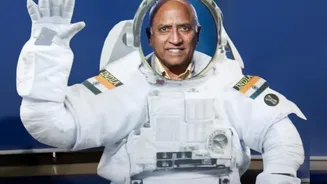
Each successful uncrewed test moves India closer to its historic first crewed mission, currently planned for 2027. Data gathered from these flights will fine-tune procedures and provide the final green light for putting astronauts on board. A successful Gaganyaan mission will make India only the fourth country in the world—after the United States, Russia, and China—to have an independent human spaceflight capability. This achievement carries immense strategic weight, solidifying India's position as a major space power and demonstrating its technological prowess on the global stage. It is a crucial stepping stone for even greater ambitions, such as establishing an Indian space station, the Bharatiya Antariksh Station, by 2035.
More Than a Mission
The impact of Gaganyaan extends far beyond orbit. The programme is a massive national endeavour, expected to source nearly 60% of its components from the Indian private sector, giving a significant boost to domestic industry. It also creates a powerful framework for collaboration between ISRO, academia, and national research agencies, fostering a new ecosystem for advanced technology development. Perhaps most importantly, the sight of an Indian-made craft carrying Indian astronauts into space will serve as a powerful inspiration for millions of young people across the country, encouraging them to pursue careers in science, technology, engineering, and mathematics (STEM) and to dream big.