








The Calendar Is Your Best Friend
The first rule of stress-free festival travel is to plan early. Raksha Bandhan in 2026 falls on Friday, August 28th. This places it at the end of a work week, creating a long-weekend effect that will significantly increase travel demand. To get ahead
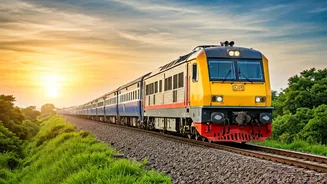
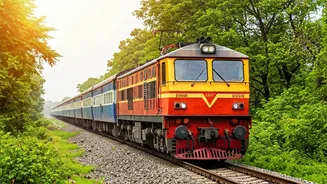
of the rush, your planning should begin months, not weeks, in advance. Mark the date on your calendar today and set reminders for key booking windows. For train travel, Indian Railways currently operates on a 60-day advance booking rule. This means tickets for August 28th will likely become available around the last week of June 2026. For flights, booking anywhere from one to three months in advance for domestic travel is often the sweet spot for better fares. Waiting until August will almost guarantee you face sold-out trains and exorbitant flight prices.
Crafting Your Rakhi Travel Budget
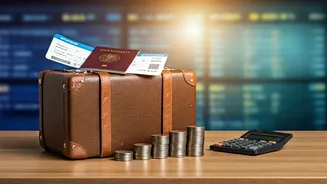
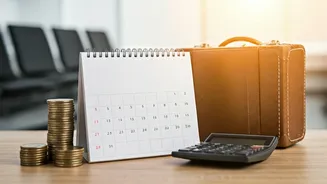
A successful trip is a well-budgeted one. Festival travel costs can quickly spiral if not tracked. Your Rakhi budget should account for more than just the ticket price. Factor in expenses such as travel to and from the station or airport, meals during transit, the cost of gifts, and any local transport you might need upon arrival. Start by setting a total travel amount you are comfortable spending. Then, break it down by category. Research average costs to make your estimates realistic. For example, during festival seasons, expect accommodation and transport prices to be 30-50% higher than usual. Creating a dedicated 'Rakhi Fund' and setting aside a small amount each month can soften the financial blow. Using a simple spreadsheet or a budgeting app can help you keep track of your savings and expenses, ensuring you don't start the festive season with financial worries.
Mastering the Art of Booking
Securing your tickets is the most critical step. Each mode of transport has its own strategy. For trains, be ready to book on the IRCTC portal the moment the reservation window opens, which is typically at 8 AM. Tickets on popular routes can sell out within minutes during festival periods. If you miss the train, don't despair. Inter-city buses, including private Volvo services, are a viable alternative, and their booking windows are often more flexible. For flights, use fare comparison websites to monitor prices. Setting up price alerts for your intended route can notify you of fare drops. Flying on a weekday like a Tuesday or Wednesday is often cheaper than travelling on or right before the weekend. Flexibility is key; if your primary travel plan doesn't work out, having a backup option researched and ready will save you from last-minute panic.
Thinking Beyond the Journey
Your planning shouldn't end once tickets are booked. If you are staying with relatives, a quick call to confirm your arrival times helps them prepare. If you need to book accommodation, do it as soon as your travel is confirmed, as hotel prices also surge with demand. Pack smart to avoid excess baggage fees, especially if flying. Consider purchasing gifts in advance online and having them shipped directly to your destination. This not only saves luggage space but can also be more cost-effective. During festivals, local transport can be crowded and more expensive. Research options like app-based cab services or local auto-rickshaws in advance so you know what to expect upon arrival. A little foresight into these smaller details ensures a smoother and more enjoyable celebration once you reach your destination.